Treatment Path and Prognosis
According to Schlossberg, initial medical guidance indicated that a standard chemotherapy regimen would be insufficient. Doctors recommended an extended course of treatment that included multiple cycles of chemotherapy and a bone-marrow transplant.
She spent five weeks at NewYork-Presbyterian/Columbia University Irving Medical Center immediately after delivering her daughter. Later, she was transferred to Memorial Sloan Kettering Cancer Center for preparation and completion of a bone-marrow transplant.
Following hospital discharge, chemotherapy continued at home. In January, Schlossberg enrolled in a clinical trial involving CAR-T cell therapy, an immunotherapy designed to target certain blood cancers. Despite these efforts, physicians have estimated her life expectancy at about one year.
Information about AML and available treatment approaches can be found through the National Cancer Institute, which tracks developments in therapies such as CAR-T.
Family Support
Schlossberg highlighted the role of her husband, George Moran, whom she married eight years ago. Moran managed communication with doctors and insurance representatives and remained at her side throughout hospital stays, often sleeping on the floor of her room. The couple share a three-year-old son and a one-year-old daughter.
Her parents, Caroline Kennedy and Edwin Schlossberg, along with siblings Rose and Jack, have been actively involved in child-care duties and hospital visits. Jack Schlossberg, who recently announced a congressional campaign, and Rose Schlossberg have spent significant time assisting their sister as she undergoes treatment.
Reflections on Time and Memory
In her essay, Tatiana Schlossberg wrote that she is focused on creating memories with her children while she can. She described moments with her daughter in which she tries to “remember forever,” acknowledging uncertainty about what lies beyond her expected lifespan.
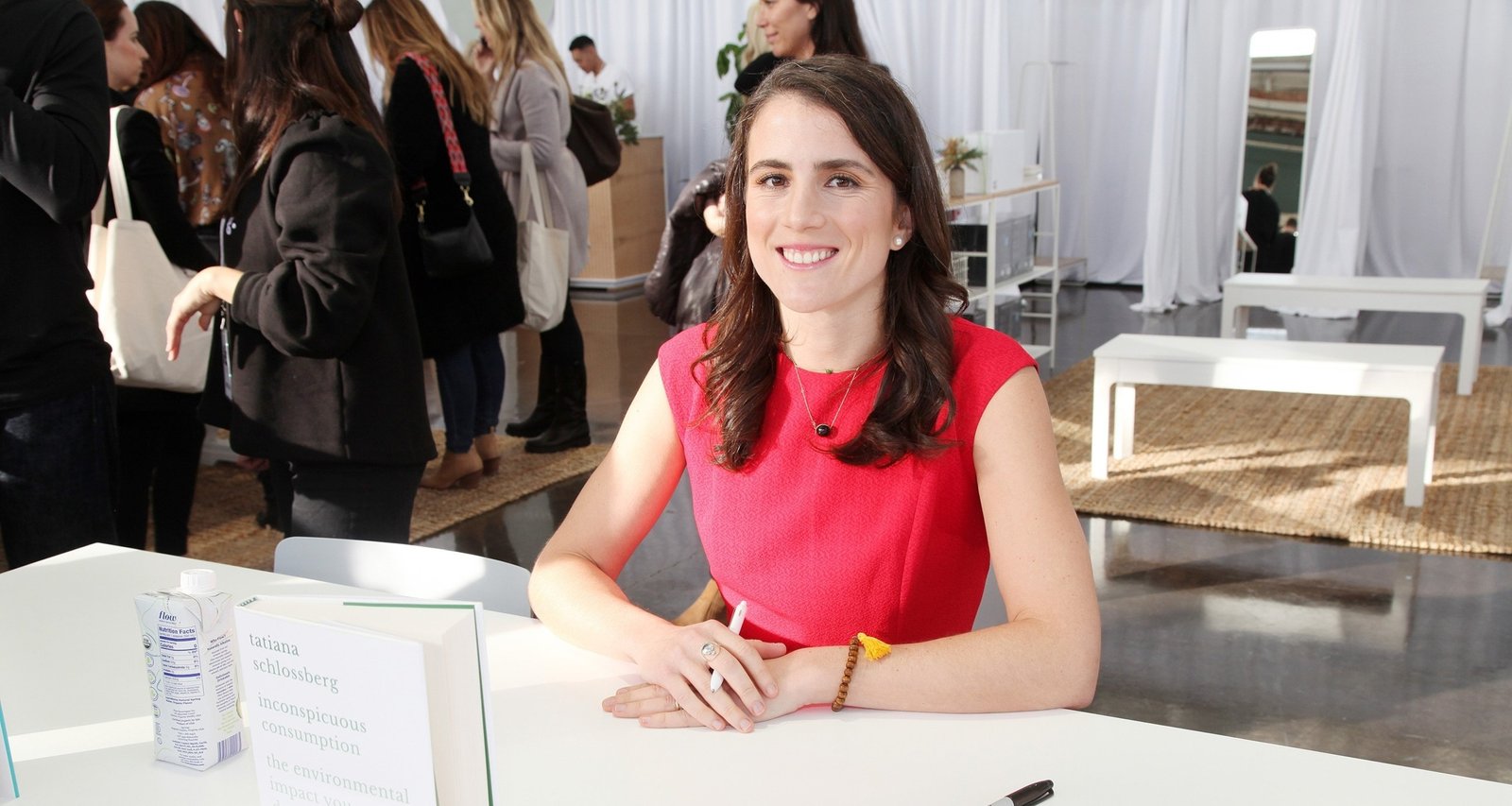
Imagem: Internet
The diagnosis, she stated, has also underscored the emotional strain placed on her immediate family. She expressed gratitude for their presence and resilience, noting that relatives attempted to conceal their own distress to reduce her burden.
Acute Myeloid Leukemia Overview
AML is an aggressive cancer of the blood and bone marrow characterized by the rapid growth of abnormal white blood cells. The American Cancer Society reports that outcomes vary widely depending on patient age, overall health and specific genetic mutations. Inversion 3, the mutation identified in Schlossberg’s case, is considered rare and can influence both treatment response and prognosis.
Standard care often involves induction chemotherapy aimed at achieving remission, followed by consolidation therapy or a bone-marrow transplant. For patients who do not respond, or who relapse, targeted therapies and clinical trials such as CAR-T cell therapy may be options.
Public and Personal Roles
Tatiana Schlossberg has worked as a climate and science reporter for several publications and is the author of “Inconspicuous Consumption,” a book examining the environmental impact of everyday products. Her public profile, combined with her family’s historical prominence, has brought substantial attention to her health disclosure.
Despite that visibility, Schlossberg emphasized that her priority remains with her immediate circle. She credited her husband, parents and siblings for sustaining her routine and maintaining a sense of normalcy for her children.
The essay concluded without forecasts or appeals, centering instead on day-to-day experiences and the desire to preserve ordinary moments. Schlossberg wrote that she would continue to focus on what time remains, acknowledging both medical realities and the personal significance of each interaction with her family.
Crédito da imagem: Amber De Vos/Getty Images


