Dissociation and the Concept of Shared Space
For individuals with DID or other dissociative conditions, the body is often experienced as a shared home among distinct identity states. Different parts of the self may carry separate memories or emotional roles, leading to feelings of fragmentation. Visual and tactile anchors—such as tattoos—can serve as concrete reminders of collaboration and continuity. Clients frequently schedule new pieces to mark key integration milestones, shifts in internal communication, or transitions from crisis to stability.
Trauma-Informed Practice at Ravens Nest Tattoo
Since 2019, psychologist and trauma survivor Adrian Fletcher has collaborated with artist Nicole Petrou, owner of Ravens Nest Tattoo in Los Angeles. Petrou runs her studio by appointment only, avoiding walk-in traffic to maintain a calm setting. Sessions are carefully planned to honor the client’s psychological readiness, and breaks are offered whenever needed. Fletcher reports that this attention to consent and environment reduces the likelihood of dissociative episodes during or after the procedure.
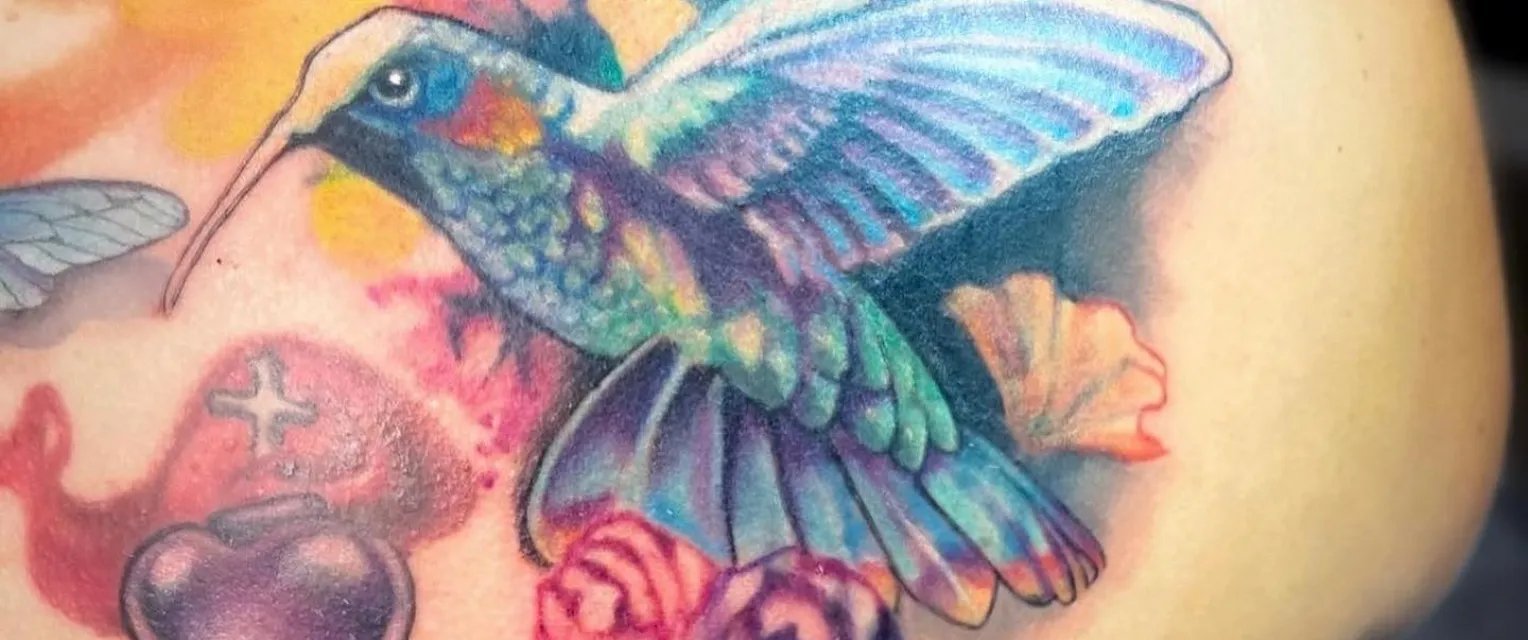
Petrou’s portfolio includes pieces that replace or cover earlier marks associated with abuse. One design features butterflies overlaying a former symbol tied to prolonged sexual exploitation. Fletcher describes the cover-up as a tangible step toward reclaiming ownership of her back, a part of the body previously laden with memories of coercion. The updated artwork forms part of a three-piece series representing successive phases of regaining self-sovereignty.
Symbolic Embodiment: The Artemis Project
Among Fletcher’s most significant tattoos is an in-progress depiction of Artemis, the Greek goddess linked to protection and boundaries. The concept originated at a 2022 retreat where participants were invited to visualize a wiser, future version of themselves. For Fletcher, Artemis symbolized an aspirational state of integrated identity and self-protection. Because some identity states were not yet prepared for tattooing, the image was delayed until additional internal fusions occurred. Petrou is completing the piece over multiple sessions to respect both emotional and physical safety.
The design incorporates Fletcher’s late therapy dog, Cooper, adapting the traditional Artemis motif to honor an animal that played a critical role in her recovery. The deliberate pacing of the project parallels Fletcher’s gradual movement from survival mode toward a more present-focused life, illustrating how tattoos can track personal evolution without erasing the past.
Shifts in Color and Style Reflect Healing Progress
Early in her recovery, Fletcher’s tattoos were primarily black, offering a sense of containment. As therapy advanced, new work introduced color, fluidity, and softer lines. Clinicians observe that such stylistic changes often align with internal shifts from hypervigilance to openness. While every survivor’s trajectory is unique, many describe noticeable changes in artistic preference once feelings of safety and agency strengthen.
Clinical Considerations for Mental-Health Professionals
Experts caution that tattoos are neither inherently therapeutic nor inherently harmful. Their impact depends on timing, meaning, and the individual’s overall treatment plan. Mental-health providers are encouraged to inquire about the symbolism behind a client’s tattoo rather than making assumptions about self-harm or impulsivity. Factors to consider include medical safety, informed consent, and the individual’s ability to tolerate physical sensation without becoming dysregulated.
The U.S. National Center for PTSD advises clinicians to recognize that survivors may seek out body modifications as part of a broader effort to reclaim identity. While the center does not endorse specific tattoo protocols, it highlights the importance of supporting patient autonomy in any recovery strategy.
Limits and Ethical Boundaries
Specialists emphasize that tattooing should never be prescribed as a stand-alone intervention. The decision remains highly personal and may not suit individuals with certain medical conditions, financial constraints, or unresolved trauma triggers. Survivors considering tattoos are urged to consult both medical and mental-health professionals, carefully vet potential artists, and ensure the studio follows strict hygiene standards.
The Body as an Ongoing Archive
For some survivors, tattoos transform the body from a passive repository of traumatic memories into an active record of resilience and choice. Each design can signify the close of one chapter and the opening of another, creating a living timeline that evolves alongside therapeutic progress. Those who opt for this path caution that the journey is neither quick nor universal, but for them, it represents a visible affirmation that the body no longer belongs to the past alone.
As trauma-informed tattooing gains visibility, both mental-health and body-art communities are exploring new collaborations. The shared objective is straightforward: provide survivors with another avenue to exercise control, express identity, and re-inhabit their own skin—one session at a time.