
A Pet Supplies Plus franchisee based in Sugar Land, Texas, has filed for Chapter 11 bankruptcy protection, signaling continued stress among independent operators in a market that, on the surface, is expanding. Court documents show that IKPM Pet Supply LLC submitted its voluntary petition in the U.S. Bankruptcy Court for the Southern District of Texas on May 22. The filing lists estimated assets between $100,000 and $500,000 and liabilities ranging from $1 million to $10 million.
The company’s largest unsecured creditor is Customers Bank, owed just over $1.07 million. Additional obligations include more than $127,000 to Ondeck, roughly $126,000 to Karthikeyan Patchamuthu, about $107,000 to Chase, and more than $28,000 to Petronia Holdings. Although the court papers outline the debt structure, they do not specify the operational or financial events that pushed the franchisee to seek protection under Chapter 11.
Store Remains Open During Reorganization
IKPM Pet Supply’s single Pet Supplies Plus location continues to operate while the bankruptcy case proceeds. Chapter 11 allows debtors to maintain day-to-day business activities as they develop a plan to restructure obligations, a process explained in detail by the Administrative Office of the U.S. Courts. At this stage, no motions to close or liquidate the store have been filed, and the franchisor, Pet Supplies Plus, is not a party to the case.
Second Filing in Ten Days
The Texas case follows a similar filing on May 12 by PSP TS LLC, a Pet Supplies Plus franchisee in Holiday, Florida. Like IKPM Pet Supply, the Florida operator reported assets between $100,000 and $500,000 and liabilities in the $1 million to $10 million range. Neither debtor offered a formal explanation for its financial distress, and both continue to serve customers under the Pet Supplies Plus banner.
Industry Growth Masks Operator-Level Pressures
The twin filings come at a time when top-line industry figures appear favorable. The American Pet Products Association’s 2026 State of the Industry Report indicates that U.S. pet-related sales climbed 3.7 percent in 2025 to reach $158 billion. The trade group projects revenue will rise to $165 billion in 2026, a 4.4 percent year-over-year increase, with about 2 percent of that growth attributed to price inflation.
Despite the robust aggregate performance, some retailers are struggling with higher operating costs. Labor expenses have escalated as hourly wages rise nationwide, while inflation has lifted wholesale prices for food, accessories, and other merchandise. Commercial rents are also climbing, putting additional pressure on brick-and-mortar outlets that depend on foot traffic and local demand.
The situation is particularly acute for single-unit franchisees that lack the scale advantages of larger chains. Without multiple stores to spread overhead expenses or negotiate volume discounts, one-store operators can be more vulnerable to unexpected cost spikes or revenue shortfalls. Both IKPM Pet Supply and PSP TS LLC fall into this category, each operating only one Pet Supplies Plus location.
Debt Profile Highlights Financing Challenges
IKPM Pet Supply’s creditor list underscores the diverse sources of financing that small retailers often tap. The amounts owed to Customers Bank and Chase suggest traditional bank lending, while the balance due to Ondeck points to alternative online financing. Such short-term, higher-interest products can bridge cash-flow gaps but may become difficult to service if sales soften or expenses rise unexpectedly.
The petition also references a debt to an individual creditor, Karthikeyan Patchamuthu, and to Petronia Holdings, indicating that personal loans or private investors form part of the capital structure. In aggregate, these obligations create fixed payment schedules that can strain liquidity when operating margins tighten.
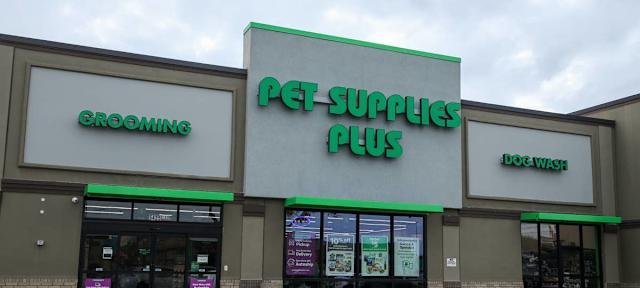
Imagem: Internet
Franchisor Position and Network Size
Pet Supplies Plus, founded in Livonia, Michigan, in 1988, operates through a mix of corporate-owned and franchised stores. According to company data, the network comprises 725 Pet Supplies Plus locations across 44 states and 26 Wag N Wash grooming and self-wash sites. The franchisor itself has not initiated bankruptcy proceedings, and there is no indication that the recent franchisee filings threaten its broader operations.
Under the franchise model, individual store owners pay fees and royalties to the parent company, receive branding and supply-chain support, and must adhere to corporate standards. While the arrangement offers entrepreneurs an established business framework, it also leaves them responsible for local operating costs and debt service—factors that can become critical in high-inflation environments.
Inflation and Lease Expenses Erode Margins
Retail experts note that cost pressures have been steady over the last two years. Many landlords have raised rents to keep pace with commercial property expenses and higher interest rates, adding a fixed burden to store income statements. Simultaneously, the tight labor market has prompted wage competition, particularly for entry-level retail positions. Product cost inflation, driven by increased transportation and commodity prices, has further compressed gross profit margins for items sold in-store.
For a niche category such as pet supplies, customer loyalty and steady demand can mitigate some challenges, but pricing power is not unlimited. Consumers may trade down to lower-priced brands or shop online if in-store prices rise too quickly, limiting the ability of local operators to pass on all cost increases.
Next Steps in the Bankruptcy Process
IKPM Pet Supply must now assemble detailed schedules of assets and liabilities, propose a reorganization plan, and secure creditor approval under court supervision. The plan typically outlines how secured and unsecured debts will be repaid, whether through negotiated discounts, extended terms, or a combination of both. Failure to reach agreement could result in conversion to Chapter 7 liquidation, but the company’s decision to keep the store open indicates an initial intent to continue operations.
The Florida case of PSP TS LLC follows a parallel timeline in the Middle District of Florida. Both proceedings will likely shed light on the viability of single-store franchise models under today’s cost structure and may influence lending and franchising terms across the sector.
While industry revenue projections remain positive, the recent Chapter 11 petitions underscore that topline growth does not guarantee profitability at the individual store level. Operators navigating higher wages, inflation-related product costs, and rising rents are reassessing capital structures and, in some instances, turning to bankruptcy court for relief. The outcomes of these cases will be watched closely by other franchisees and creditors seeking to gauge the health of smaller players in an otherwise expanding pet-care marketplace.