
Tiny Buddha, LLC has expanded its collection of personal development articles with a new post titled “Why I Let My Kids See My Sadness Now (After Hiding It for Years).” The piece appears in the “Latest Posts” section of the website, which regularly features first-person reflections on mindfulness, relationships, and mental health. The update is part of an ongoing stream of content that the platform releases to a global audience interested in self-care and emotional well-being.
The blog entry joins a roster of recent titles that include “All the Important Things a Scale Can’t Measure,” “From People-Pleasing to Self-Trust: How to Come Back to Yourself,” “Phone Down, Eyes Up: How to Really See the People We Love,” and “What My Body Taught Me: 13 Surgeries, One Coma, Countless Powerful Lessons.” Each headline is displayed on the homepage to give readers direct access to new material as it is published.
Tiny Buddha organizes its articles under thematic menus such as Change, Challenges, Happiness & Fun, Healthy Habits, Letting Go, Love & Relationships, Mental Health, Mindfulness & Peace, and Purpose & Passion. The newly released post is listed under these categories to help visitors locate the content that best matches their interests. A set of drop-down navigation tools also directs users to free resources, frequently asked questions, and contact information.
The site’s framework extends beyond articles. Interactive forums allow community members to open new topics or join existing conversations. Current threads include discussions labeled “The Hardening Heart,” “On Purpose and Shame—what is my purpose? What is yours?” “I Don’t Know Myself Anymore,” and “Friendship Gone Wrong Part 2.” Additional posts examine personal decisions such as housing choices or coping strategies for fear. Anyone wishing to participate can register through an online form linked from the forums page.
In addition to written content and peer exchanges, Tiny Buddha offers a shop section branded “Books & Things,” as well as a downloadable Buddha-themed desktop wallpaper. Readers can also submit their own articles for consideration, and the platform provides advertising opportunities for partners whose products or services align with self-improvement themes.
Tiny Buddha’s homepage reiterates that its material is designed to support, not replace, professional care. A disclaimer emphasizes that the site does not supply medical, legal, or other professional advice and encourages users to seek qualified assistance if they suspect a health condition. This stance reflects widely accepted guidelines promoted by mental health organizations such as the American Psychological Association, which advise individuals to consult licensed practitioners when dealing with potential psychological concerns.
The company discloses its revenue model by stating that Tiny Buddha, LLC may earn affiliate income from qualifying purchases, including sales generated through the Amazon Associate Program. A separate notice asks visitors to review the site’s privacy policy and terms of use before engaging with any content or services.
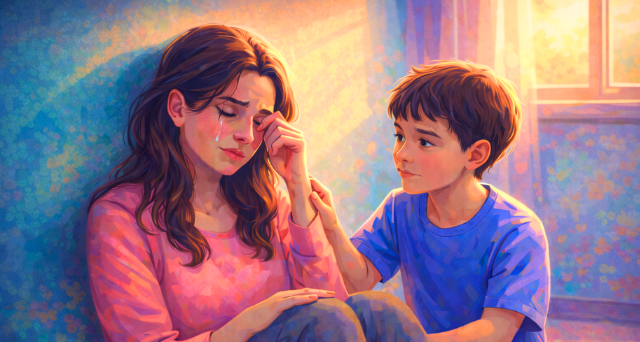
Imagem: Internet
Tiny Buddha identifies itself as a collaborative space rather than a single-author platform. A statement on the homepage notes that while one person manages the site, contributions from readers hold equal importance. This community-centered approach is underscored by an open invitation for users to share their experiences and insights, thereby broadening the range of perspectives available to the audience.
The technical side of the platform is supported by WordPress hosting provider PressLabs, while design credits go to Joshua Denney. Copyright information listed at the bottom of the page attributes all materials to Tiny Buddha, LLC and specifies the year 2025.
Navigation aids such as a “Back to Top” button and translation options further enhance user accessibility. The interface also features links that allow readers to log in, register, or retrieve inspirational images and videos curated under the “Fun & Inspiring” label.
By adding “Why I Let My Kids See My Sadness Now (After Hiding It for Years)” to its lineup, Tiny Buddha continues its practice of publishing reader-focused content on emotional health. The post is presented alongside a suite of complementary resources and clear operational policies, reinforcing the website’s stated mission to foster a supportive online community without replacing professional care.