A disclaimer positioned near the bottom of the page reinforces this boundary, stating that Tiny Buddha “is not intended to provide and does not constitute medical, legal, or other professional advice.” Readers are advised to seek licensed help if they suspect a mental-health condition. The site further clarifies that its articles, forums and downloadable materials are designed to supplement, not substitute, professional treatment.
Operational details are listed openly. Tiny Buddha, LLC acknowledges that it earns affiliate revenue from qualifying purchases, including earnings generated through the Amazon Associate Program. Hosting services are provided by PressLabs, and the current site design credits web developer Joshua Denney. Copyright information shows the content is protected under the year 2025.
In addition to the editorial sections, the platform maintains an active community forum that covers a wide range of user-initiated topics. Recent discussion threads include housing choices (“APT vs TOWNHOME Decision”), language theory (“Prison House of Language”) and interpersonal dilemmas (“Don’t Know How to Break Contact”). The forum structure allows registered members to post questions, share personal situations and receive peer feedback in real time. A separate “Helpful Free Resources” area offers downloadable items such as inspirational wallpapers, one of which features a Buddha illustration that can be saved to a desktop.
The website employs a conventional navigation menu to guide visitors. Primary categories appear across the top bar—“Blog,” “Quotes,” “Fun & Inspiring,” “Forums,” “Advertise,” “Submit a Post” and “Shop.” Within the “Shop” tab, the company promotes branded books and merchandise, including “Tiny Buddha’s Breaking Barriers to Self-Care.” Each sales page is integrated with a checkout system that routes payments to Tiny Buddha, LLC, further diversifying the organization’s revenue streams.
Tiny Buddha’s structure mirrors a broader trend in online mental-health communities, where personal storytelling and peer support coexist alongside clear instructions to pursue professional assistance when necessary. The National Institute of Mental Health, a division of the U.S. Department of Health and Human Services, notes that self-guided materials can be useful complements to therapy when consumers are encouraged to verify information and seek licensed care for clinical issues (NIMH).
Unlike many commercial wellness sites that rely heavily on staff reporters, Tiny Buddha sources the majority of its content directly from users. Prospective writers can submit drafts through a dedicated portal that outlines editorial guidelines, word-count preferences and subject-matter parameters. Once accepted, articles are queued for publication in chronological order, and authors are encouraged to interact with readers through the comment section hosted beneath each post.
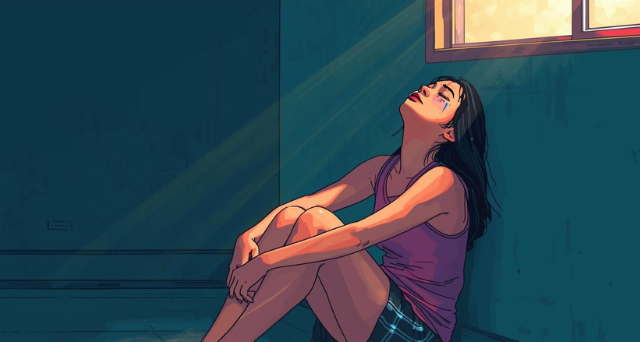
While the platform covers a broad spectrum of wellness topics, its central focus remains emotional growth through firsthand accounts. “Why Letting Myself Fall Apart Set Me Free” exemplifies this approach by framing vulnerability as a catalyst for resilience—an angle consistent with other stories housed under the “Letting Go” and “Healthy Habits” tags. Even though the content does not offer prescriptive therapy, the anecdotal format is designed to help readers find relatable experiences that may inspire them to seek additional support.
Tiny Buddha’s decision to spotlight multiple voices is reflected in its catchphrase, “It’s not about me. It’s about us.” The motto appears in the “Who Runs Tiny Buddha?” section, underscoring the collaborative ethos that underpins the site. By maintaining an open submission process, the platform ensures a continuous flow of new material without relying solely on an internal editorial staff.
For visitors needing immediate guidance, the site’s footer provides direct links to its Privacy Policy and Terms of Use, reinforcing transparency about data collection and user responsibilities. Those documents outline procedures for safeguarding personal information, moderating community discussions and addressing copyright inquiries.
As Tiny Buddha continues to rotate fresh stories onto its front page, the arrival of “Why Letting Myself Fall Apart Set Me Free” signals an ongoing commitment to content that balances raw personal insight with reminders of professional care. Readers can engage with the essay through the standard comment interface, discuss related themes in the forums, or explore adjacent posts that address hope, trauma recovery and forgiveness.
With its blend of narrative essays, community interaction and clear boundaries regarding professional advice, Tiny Buddha positions itself as both a storytelling hub and a signpost directing users toward comprehensive mental-health resources. The new article on allowing vulnerability to foster freedom reinforces that dual mission, adding another perspective to the site’s evolving conversation about emotional resilience.