Although the drawdown represents the first large-scale federal departure since agents arrived in force last year, critics on Capitol Hill said the move falls short. Senate Minority Leader Chuck Schumer called the 700-officer reduction insufficient and renewed his demand for a full withdrawal, contending that the current number of agents continues to strain relations between law enforcement and Minnesota residents.
The White House defended its approach. Press secretary Karoline Leavitt said an unprecedented number of Minnesota counties have recently signed agreements pledging to alert ICE when non-citizen inmates complete their local sentences. Her office indicated that federal officials will monitor those agreements for compliance and could revisit staffing levels if cooperation lapses.
Tensions between immigration authorities and demonstrators have been escalating since January, when federal agents fatally shot two U.S. citizens—Renee Nicole Good and Alex Pretti—in separate confrontations. Homeland Security Secretary Kristi Noem initially asserted that both individuals were engaged in domestic terrorism, but the administration’s tone shifted as public criticism mounted. In response, President Donald Trump dispatched Homan to Minnesota to oversee day-to-day operations, replacing Border Patrol commander Gregory Bovino.
During a televised interview with NBC News later Wednesday, the president said he had concluded that federal officers “could use a softer touch” while still pursuing high-priority removal targets. Homan echoed that sentiment in Minneapolis, stating that agents will concentrate on what the administration defines as criminal non-citizens rather than conducting broad neighborhood sweeps. Nevertheless, he reaffirmed that anyone found to be in the country unlawfully remains subject to deportation.
The Minnesota deployment is part of a nationwide immigration-enforcement initiative that the administration maintains is essential for public safety. According to data from the U.S. Customs and Border Protection, federal officers executed more than 175,000 arrests linked to immigration violations during the most recent fiscal year, a figure officials often cite when defending the scope of their operations.
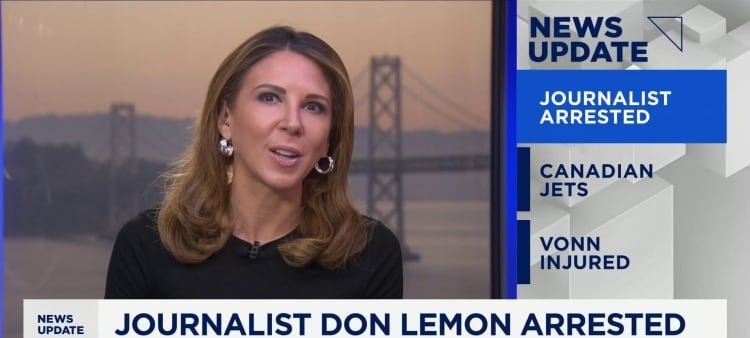
Imagem: Internet
Local reactions have been mixed. Some county sheriffs have welcomed the federal presence, arguing that the arrangement shifts detention costs to the federal government and expedites the removal of individuals facing serious charges. Community activists, by contrast, have staged near-daily protests outside ICE facilities, contending that the policy separates families and discourages undocumented residents from reporting crimes.
Civil-rights groups also point to a series of high-profile incidents that, they say, underscore the risks of a heavy federal footprint. In addition to the January shootings, demonstrators highlight the recent detention of former CNN anchor Don Lemon, who was taken into custody while filming a segment on immigration protests. Federal officials have not released details of the charges against him.
For now, federal officers will remain concentrated around key infrastructure sites, transportation hubs and county detention centers in Hennepin, Ramsey and adjacent counties. According to Homan, the drawdown will unfold in phases, beginning with specialized tactical units whose assignments can be absorbed by local partners. Remaining personnel will focus on processing detainees transferred from municipal jails and pursuing individuals identified through existing warrants.
No timeline has been set for a complete withdrawal. Homan indicated that federal planners will review arrest statistics, cooperation rates and incident reports on a weekly basis to determine whether additional reductions are feasible. He also warned that a spike in violence directed at officers or a breakdown in communication with local officials could prompt the Department of Homeland Security to redeploy units to Minnesota on short notice.
While the immediate impact of the 700-officer pullback will be felt primarily in Minneapolis and St. Paul, state officials are watching closely to see whether the shift leads to a drop in street confrontations that have characterized the past several months. Governor Tim Walz’s office did not issue an immediate statement on the announcement, but aides said the administration plans to track community response and law-enforcement outcomes as the phased drawdown proceeds.
Crédito da imagem: Charly Triballeau | AFP | Getty Images