U.S. Africa Command confirmed that the operation took place “in coordination with Nigerian authorities.” Shortly afterward, Nigeria’s Ministry of Foreign Affairs issued a statement from Abuja describing the strike as part of an ongoing security partnership with Washington aimed at degrading ISIS and other extremist organizations. The ministry said cooperation included intelligence sharing and strategic planning “consistent with international law, mutual respect for sovereignty, and shared commitments to regional and global security.”
Video labeled “unclassified” and reposted by the Defense Department showed a missile launching from a naval platform, though the clip did not reveal the target area. The Pentagon declined to specify whether naval, air, or remotely piloted assets actually engaged the militants.
The Christmas Day action in Nigeria came only days after U.S. forces launched separate strikes against ISIS in Syria. Those earlier strikes were described as retaliation for an attack on U.S. and partner troops that killed three Americans. Speaking to reporters last month, Trump said that “boots on the ground” in Nigeria remained a possibility, adding that the United States would not tolerate large-scale killings of Christians.
On November — shortly after the president’s initial threat — the State Department redesignated Nigeria as a “Country of Particular Concern” for what it called severe violations of religious freedom. That designation, outlined under the International Religious Freedom Act, places Nigeria among a group of nations subject to potential sanctions or other policy actions. Additional entry restrictions were introduced last week when Nigeria was placed on the updated U.S. travel ban list.
Nigerian President Bola Tinubu, while acknowledging violence against Christians, has disputed portrayals of his country as broadly intolerant. In a Christmas Eve message on X, Tinubu said he prayed for “peace in our land, especially between individuals of differing religious beliefs,” and pledged to protect all citizens regardless of faith.
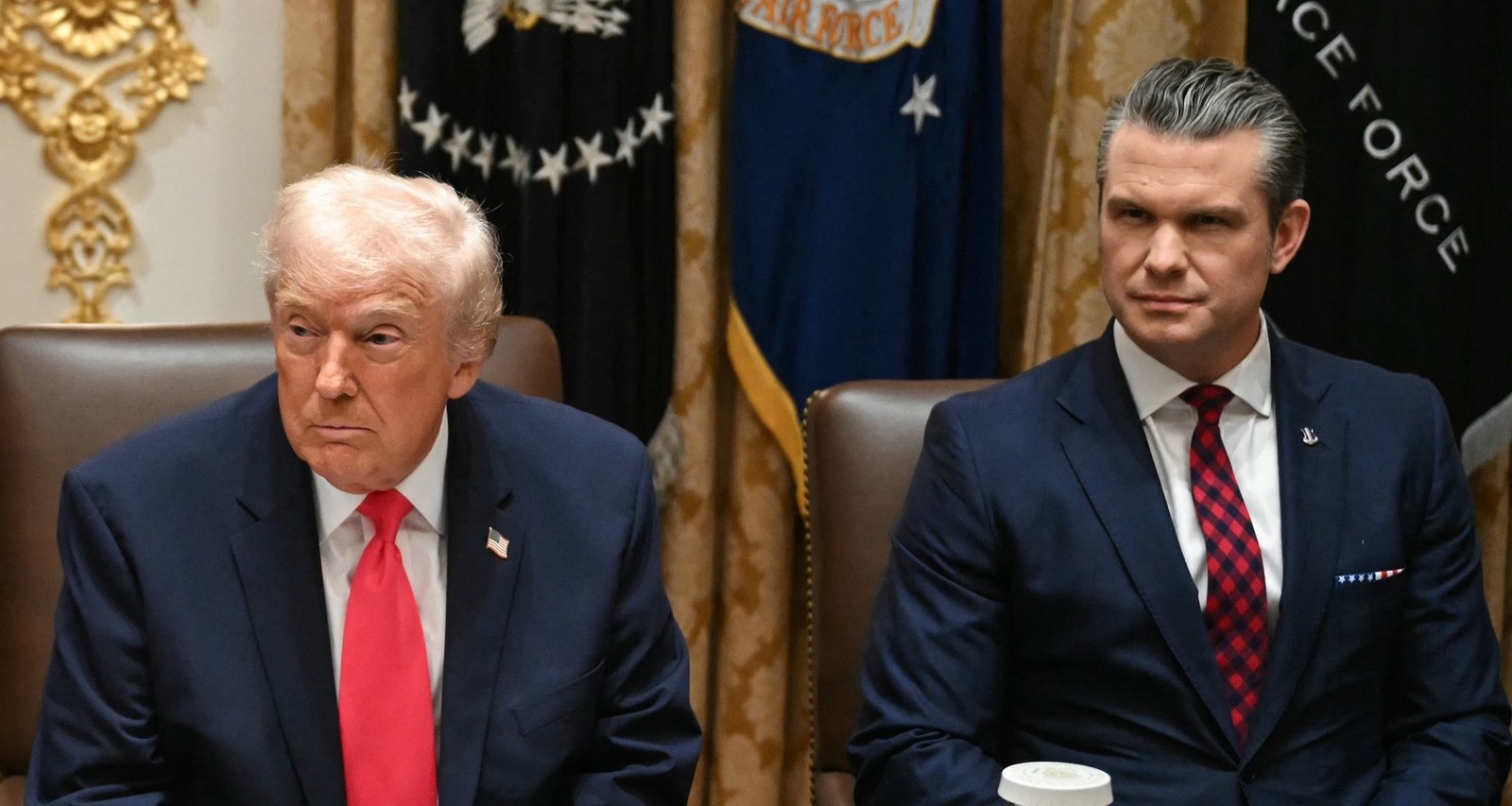
Imagem: Internet
Independent researchers note that extremist violence in Nigeria has taken a heavy toll on both Muslim and Christian communities, with tens of thousands of civilian deaths over the past decade. Groups operating under the ISIS banner have been particularly active in the northeast, complicating efforts by the Nigerian military and regional partners to restore security.
Thursday’s strike raises questions about the United States’ future military posture in West Africa. No U.S. ground forces are currently stationed in Nigeria, but American personnel support intelligence and advisory missions elsewhere on the continent. Analysts say any expanded role would likely require formal agreements with Abuja and coordination with regional bodies.
The International Crisis Group, which tracks conflict trends worldwide, has warned that pressure on ISIS affiliates in Syria and Iraq may encourage the network to intensify operations in Africa. The State Department’s latest country reports describe Nigeria as one of the most significant theaters for ISIS activity outside the Middle East. For background on the “Country of Particular Concern” designation, the State Department provides an overview on its official website, state.gov.
Hegseth concluded his post on X with “Merry Christmas,” underscoring the timing of the strike. While the Pentagon has indicated readiness for additional action, it has not clarified whether future operations would follow the same model or expand into broader engagement.
As of Friday morning, no Nigerian or U.S. officials had announced plans for a joint press briefing. Observers noted that additional details—including potential civilian impact, confirmation of militant casualties, and any requests for humanitarian aid—could shape international reaction in the days ahead.
Crédito da imagem: Andrew Caballero-Reynolds/AFP via Getty Images


