Despite supervising the review, Bessent has not stated a preference. His remarks in Davos focused instead on the importance of restoring confidence at the central bank. He noted that several members of the Fed’s policy-setting bodies have stepped down over ethics concerns during Powell’s tenure. Those departures include regional reserve bank presidents as well as Governor Adriana Kugler, who resigned after questions about trading activity.
Ethical controversies have prompted scrutiny from both Congress and the executive branch. Earlier this month, the Department of Justice delivered a subpoena to Powell seeking documents related to the ongoing renovation of the Fed’s Washington, D.C., headquarters. Although the subpoena does not imply wrongdoing, it underscores the heightened oversight environment surrounding the institution.
The White House and Treasury Department have also criticized Powell’s stewardship of monetary policy and interest-rate strategy. Administration officials argue that tighter credit conditions are hindering growth. Powell, first chosen for the central bank’s top job by Trump in 2017 and reappointed by President Joe Biden, maintains that policy decisions reflect the Fed’s dual mandate of price stability and maximum employment.
Under federal statute, Powell’s four-year term as chair expires in May. Even if he is not re-nominated, he may continue to serve as a governor on the seven-member Board through 2028, the scheduled end of his 14-year appointment. That arrangement would preserve his vote on monetary policy unless he chooses to resign.
Bessent emphasized that institutional independence remains essential, but he argued that independence does not shield the Fed from accountability. He compared the recent wave of departures to turnover rates that would be considered unacceptable in the private sector. Similar sentiments have been voiced by lawmakers from both parties, increasing pressure on the central bank to tighten internal compliance rules.
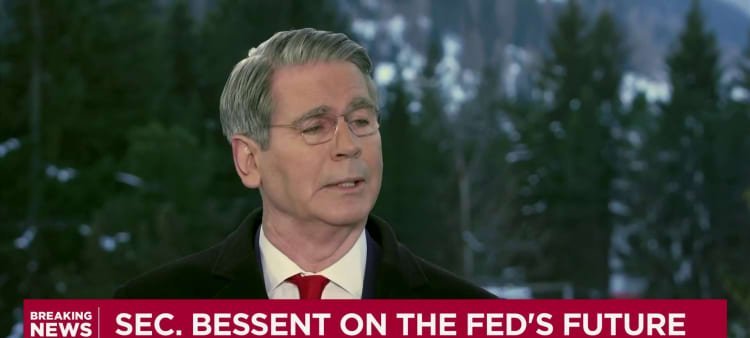
Imagem: Internet
The next chair will inherit multiple challenges: inflation running above the Fed’s 2 percent target, debate over the appropriate pace of balance-sheet reduction, and renewed calls for changes to the institution’s governance structure. Some candidates, such as Warsh, have previously advocated a more rules-based approach to rate setting, while others, including Waller, have supported Powell’s gradual normalization strategy.
Market participants are watching closely for signals on continuity versus change. Yields on benchmark Treasury securities edged higher after Bessent’s comments, reflecting expectations that a new leader could adopt a firmer stance on inflation. The Fed’s next policy meeting is scheduled for late March, and investors hope the selection will be finalized before then to reduce uncertainty.
Although the Treasury secretary did not reveal details of his consultations with Trump, he confirmed that the president has held direct discussions with each contender. The shortlist was compiled from recommendations by senior economic advisers and outside experts. Background checks, financial disclosures, and conflict-of-interest reviews were completed before the finalists met with the president.
Whoever receives the nomination must secure Senate confirmation. Recent nominations to the Fed have faced rigorous questioning on topics ranging from quantitative easing to bank regulation. Analysts anticipate a similar process, particularly given the heightened attention on ethics and transparency. Historical data show that most Fed chairs win confirmation with bipartisan support, but contentious votes are possible when monetary policy is politically salient. An overview of prior confirmation outcomes is available through the U.S. Congressional Record.
As the administration narrows its choice, financial institutions, businesses, and policymakers worldwide are preparing for potential shifts in the Fed’s approach. The decision, expected within days, will determine who guides the central bank during a period marked by persistent inflation, tightening global financial conditions, and evolving regulatory demands.
Crédito da imagem: World Economic Forum / Boris Baldinger


