Pentagon press secretary Kingsley Wilson said last week that operational authority rested with both Trump and Hegseth, and that any follow-on actions approved by regional commanders had the secretary’s “100 percent” support. Critics contend that the second hit could amount to a war crime, a charge the administration rejects.
In a separate interview published Tuesday by Politico, Trump further distanced himself from the tactical decisions on Sept. 2. He stated that the survivors “looked like they were trying to turn back over the boat,” but added, “I don’t get involved in that. That’s up to them.”
The president’s revised stance has not quelled demands on Capitol Hill. Republican Senators Thom Tillis, Lindsey Graham and Josh Hawley each said Tuesday that releasing the full, unedited video would help resolve conflicting accounts of what the footage shows. Tillis argued that transparency is needed “so we can objectively take a look at it ourselves,” while Hawley suggested sensitive details could be redacted without withholding the entire recording.
Democrats voice similar concerns. Representative Adam Smith, the ranking member on the House Armed Services Committee, viewed the classified video and later described it as “deeply disturbing,” asserting that the two men apparently posed no immediate threat. Smith and other lawmakers are drafting legislation that would compel the Defense Department to turn over the complete footage to Congress.
Hegseth, who traveled to Capitol Hill on Tuesday alongside Secretary of State Marco Rubio and Joint Chiefs Chairman Gen. Dan Caine to brief the “Gang of Eight,” has not committed to making the video public. The defense secretary cites the potential exposure of intelligence sources and methods. He has also told lawmakers the survivors represented an imminent danger, a characterization opponents contest.
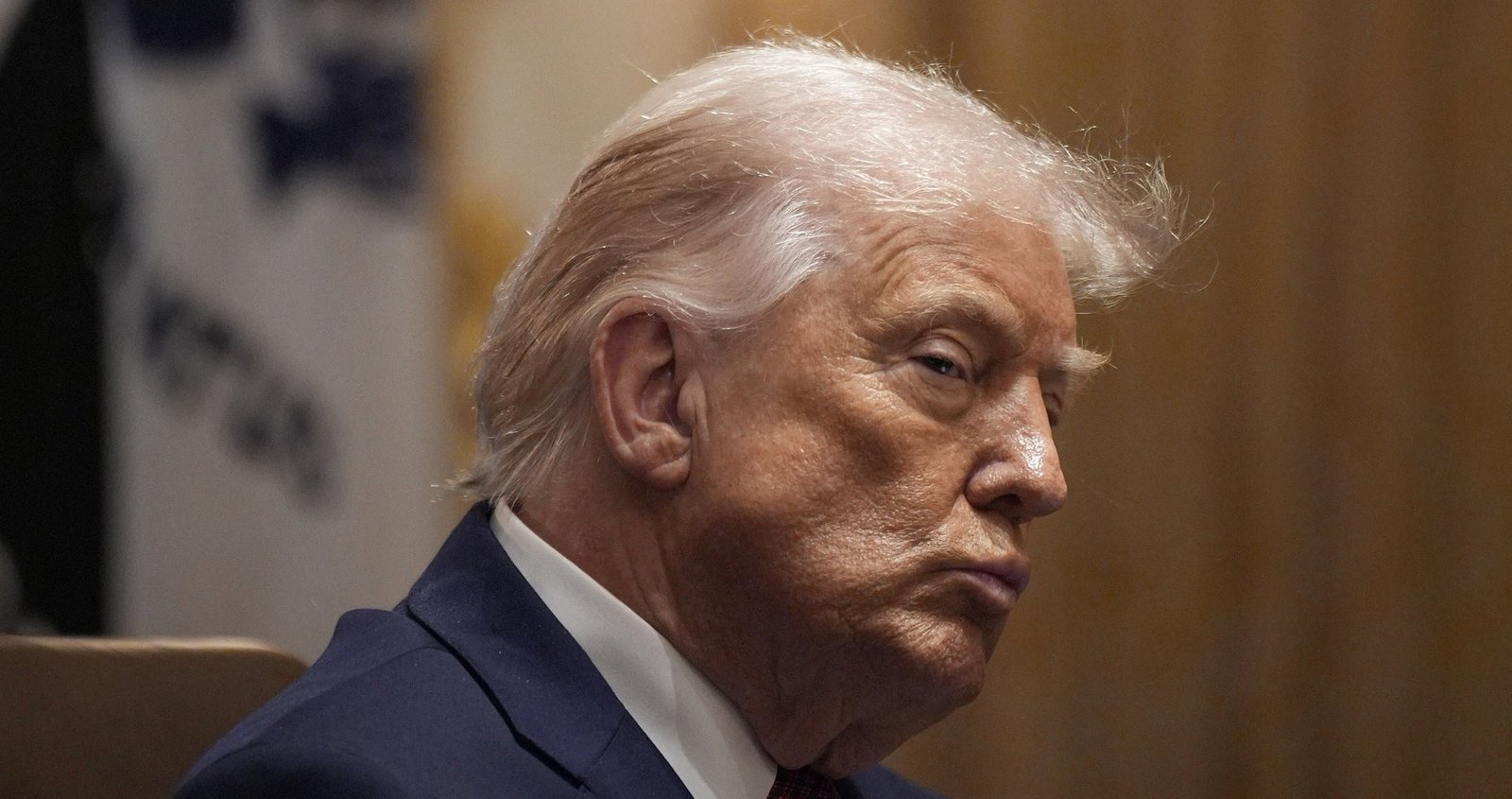
Imagem: Internet
Legal experts note that the Law of Armed Conflict prohibits targeting individuals who are hors de combat, or out of the fight, unless they pose an immediate threat. The debate has intensified scrutiny of the administration’s wider campaign against transnational drug cartels, which officials label a “war” effort. Since taking office, Trump has authorized more than 20 maritime strikes in the Caribbean and eastern Pacific, resulting in over 80 deaths, according to Pentagon figures.
When asked whether Hegseth should testify under oath about the Sept. 2 operation, Trump told Politico he had “no opinion” and that the secretary “is doing a great job.” The president did not indicate whether he would lift executive privilege should Congress formally request Hegseth’s testimony.
The episode underscores a recurring tension between national security secrecy and public accountability. Transparency advocates argue that releasing the video would allow independent assessment of the administration’s adherence to international law. Defense officials maintain that disclosing combat imagery risks revealing operational tactics, a position similar to past debates over the release of sensitive military material on platforms such as the U.S. Department of Defense website.
For now, the decision remains with Hegseth, who must balance pressure from lawmakers, potential legal implications and intelligence concerns. Unless Congress succeeds in mandating disclosure, the footage of the Sept. 2 boat strike will stay classified, leaving unresolved questions about the actions that claimed two additional lives after the initial engagement.
Crédito da imagem: Yuri Gripas/EPA/Shutterstock


