The Federal Open Market Committee (FOMC) cut its benchmark rate at its last two meetings and will gather again in December. Statements from New York Fed President John Williams and other officials have led investors to anticipate a third consecutive reduction next month, a possibility that has also contributed to an unusual split among voting members. Some policymakers argue that growth and labor data justify further easing, while others prefer to pause and assess the impact of earlier moves.
As the debate inside the central bank intensifies, the search for a new chair has moved forward under Bessent’s direction. The short list is believed to include National Economic Council Director Kevin Hassett; former Fed Governor Kevin Warsh; BlackRock fixed-income executive Rick Rieder; and current Fed Governors Christopher Waller and Michelle Bowman. Bloomberg News, citing individuals familiar with the process, reported on Tuesday that Hassett has emerged as a leading contender. The White House has not commented publicly on that report.
In the interview, Bessent declined to name specific finalists but acknowledged that the group is small and that each candidate brings a distinct view on how the central bank should operate. The secretary reiterated his desire to see the Fed take a less prominent role in day-to-day market activity, saying monetary policy has grown overly complex since the 2008 financial crisis.
“The goal is to return the Fed to the background and let Americans focus on expansion and jobs rather than on every word from the FOMC,” Bessent said. He argued that a simpler, more predictable policy framework would benefit businesses and households alike.
Any nomination must clear the U.S. Senate, where lawmakers will consider the candidate’s academic credentials, policy record, and approach to regulating banks. Powell’s successor would inherit a balance sheet exceeding $7 trillion and a mandate to foster maximum employment and stable prices. The next chair will also confront the challenge of guiding monetary policy through a presidential election year and an economy that has shown mixed signals: solid hiring and consumer spending on one hand, but moderating manufacturing output and persistent inflation pressures on the other.
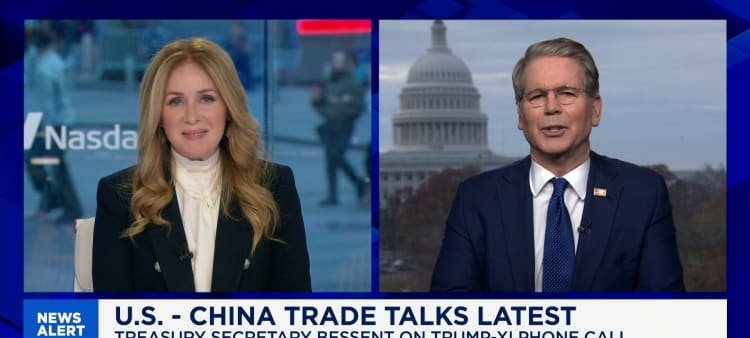
Imagem: Internet
The decision carries broad implications for global markets. Treasury yields, equity valuations, and foreign-exchange rates often react sharply to signals from the Fed. Investors scrutinize every appointment, looking for clues about how aggressively the central bank may cut or raise rates. Former chairs such as Ben Bernanke and Janet Yellen left distinct marks on crisis management and balance-sheet strategy, underscoring the influence a single individual can wield.
While Trump holds the authority to nominate, Senate confirmation timelines vary. Powell himself waited roughly two months between nomination and committee hearings before winning bipartisan approval in early 2018. Should the White House move promptly and the Senate follow a similar schedule, the next chair could assume office well before Powell’s term expires, though the current leader would continue serving until a successor is sworn in.
For now, financial markets remain focused on the upcoming FOMC meeting and the potential for another rate reduction. According to CME Group’s FedWatch tool, which tracks fed-funds futures, traders have priced in a high probability of a December cut. Those expectations could shift quickly once the administration discloses its choice, particularly if the nominee’s past statements hint at a dovish or hawkish stance.
Additional background on the Federal Reserve’s structure and statutory role is available on the central bank’s official site, the Board of Governors of the Federal Reserve System, which outlines the chair’s responsibilities and term limits.
Crédito da imagem: CNBC


