Gov. Walz, speaking Wednesday evening, criticized the federal law-enforcement presence, describing it as a “campaign of organized brutality against the people of Minnesota.” He urged residents to demonstrate “loudly, urgently, but also peacefully.” Mayor Frey, who earlier told ICE to “get the f— out” of the city, said the current situation was “not sustainable.”
Under the Insurrection Act, the president may use military forces on U.S. soil to suppress civil disorder, insurrection or rebellion. The measure has been invoked roughly 30 times since its adoption, most recently in 1992 when President George H. W. Bush sent troops to Los Angeles during riots that followed the beating of Rodney King, at the request of California officials. The law has not been used without cooperation from a state governor since the 1960s desegregation crises.
Trump previously threatened to activate the statute in 2025 while protests erupted in Los Angeles over immigration policy and National Guard deployments, but he ultimately refrained. In his Thursday post, the president said, “many Presidents have done [it] before me,” asserting his willingness to “quickly put an end to the travesty that is taking place” in Minnesota.
Legal analysts note that invoking the Insurrection Act without state consent would mark a rare step. According to the Brennan Center for Justice, unilateral federal action under the statute has been uncommon since segregation-era interventions ordered by Presidents Dwight D. Eisenhower and John F. Kennedy to enforce school desegregation following Brown v. Board of Education.
Tensions in Minneapolis have grown steadily since Good’s death. Demonstrations outside ICE offices and city buildings have drawn hundreds of participants. Local police reported scattered arrests for disorderly conduct, but most gatherings remained non-violent through Wednesday, even as federal agents maintained crowd-control positions with less-lethal launchers and armored vehicles.
The Department of Justice has not announced whether it will open separate civil-rights investigations into either shooting. Blanche, however, reiterated in a televised briefing Thursday that the federal government “will not hesitate to protect its officers,” adding that prosecutors are prepared to bring charges against anyone who attacks federal personnel.
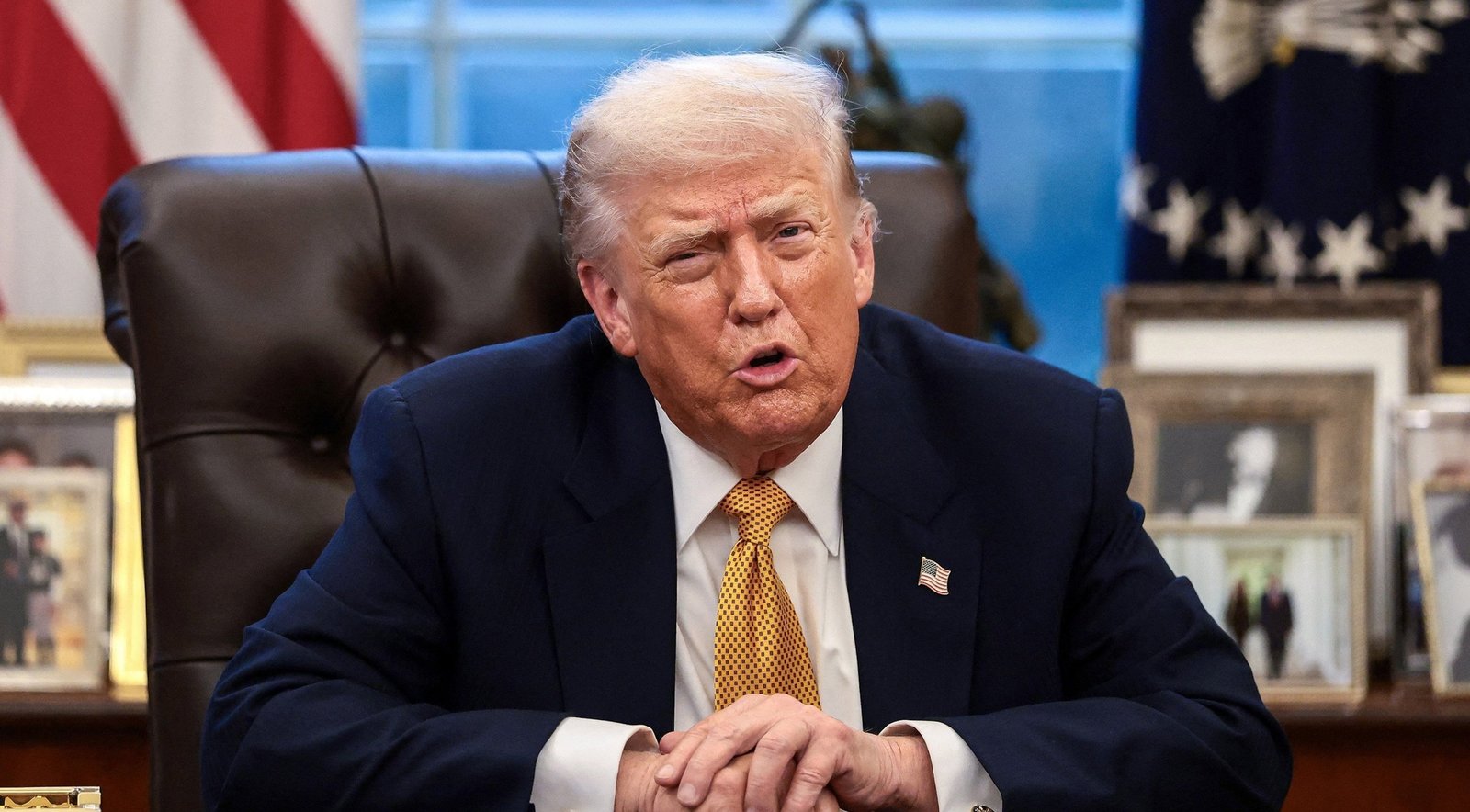
Imagem: Internet
Meanwhile, state lawmakers in St. Paul called for an emergency session to address public safety and potential litigation against federal agencies operating in Minnesota. Several legislators proposed creating a bipartisan oversight panel to examine ICE practices in the state. No timetable for the session has been confirmed.
Should Trump proceed with an Insurrection Act order, the Defense Department would be required to formulate deployment plans detailing troop numbers, mission scope and command structure. The Pentagon has not commented on possible force levels or timelines, but a spokesperson said the department “remains prepared to support civil authorities when lawfully directed.”
For Minneapolis residents, the immediate concern is whether demonstrations will remain peaceful as federal and local rhetoric hardens. Community organizers have scheduled additional rallies for the upcoming weekend, insisting that the focus stay on what they describe as excessive use of force by ICE. City officials have advised motorists to avoid downtown areas where road closures and security checkpoints are expected to continue.
If enacted, the president’s authority under the Insurrection Act would allow active-duty troops to perform law-enforcement functions, including arrests and crowd control, roles normally restricted by the Posse Comitatus Act. Critics warn that such a deployment could escalate confrontations, while supporters argue it is necessary to restore order.
As of Thursday afternoon, the White House had not disclosed further steps toward a formal proclamation. The situation remains fluid, with federal, state and local officials exchanging sharply different accounts of responsibility and control while protests persist in Minneapolis.
Crédito da imagem: Evelyn Hockstein/Reuters


