Mamdani, who moved to New York City as a child and became a naturalized U.S. citizen in 2018, dismissed the allegations as intimidation. Throughout the campaign he condemned Trump administration policies on immigration enforcement, agency budget cuts, and public criticism of Democratic-run cities. On election night, he pledged collective resistance to efforts that he said target immigrants and vulnerable communities.
Logistics and Immediate Agenda
Trump disclosed plans for the Oval Office session on Wednesday evening. A day later, Mamdani described the meeting as an opportunity rather than a confrontation, telling reporters he was “not concerned” and intended to present detailed proposals aimed at easing household expenses in the nation’s largest city.
Key points expected to surface include:
- An income-tax increase for New Yorkers earning more than $1 million annually.
- City-funded child care beginning at six weeks of age.
- Fare-free public bus service across the five boroughs.
Several initiatives would require state approval or federal cooperation, factors critics cite when labeling the agenda unrealistic. Mamdani maintains the programs are essential for working families confronting rising prices. According to the U.S. Bureau of Labor Statistics, consumer prices in the New York metropolitan area climbed more than 20 percent over the past five years, outpacing wage growth for many residents.
Political Context
Affordability has also become central to Trump’s broader re-election messaging. During a campaign stop in Pennsylvania on Monday, the president asserted that Republican economic policies allow “everyone to win,” from entry-level workers to small business owners. White House advisers say Friday’s conversation with Mamdani aligns with that theme and could demonstrate bipartisan cooperation on kitchen-table issues.
Still, tensions remain. In addition to the funding threats, Trump has criticized Mamdani for earlier remarks condemning the New York Police Department and Israel’s military actions in Gaza. The mayor-elect has apologized for the NYPD comments, pledged support for Jewish New Yorkers, and continued to voice concern about civilian casualties overseas.
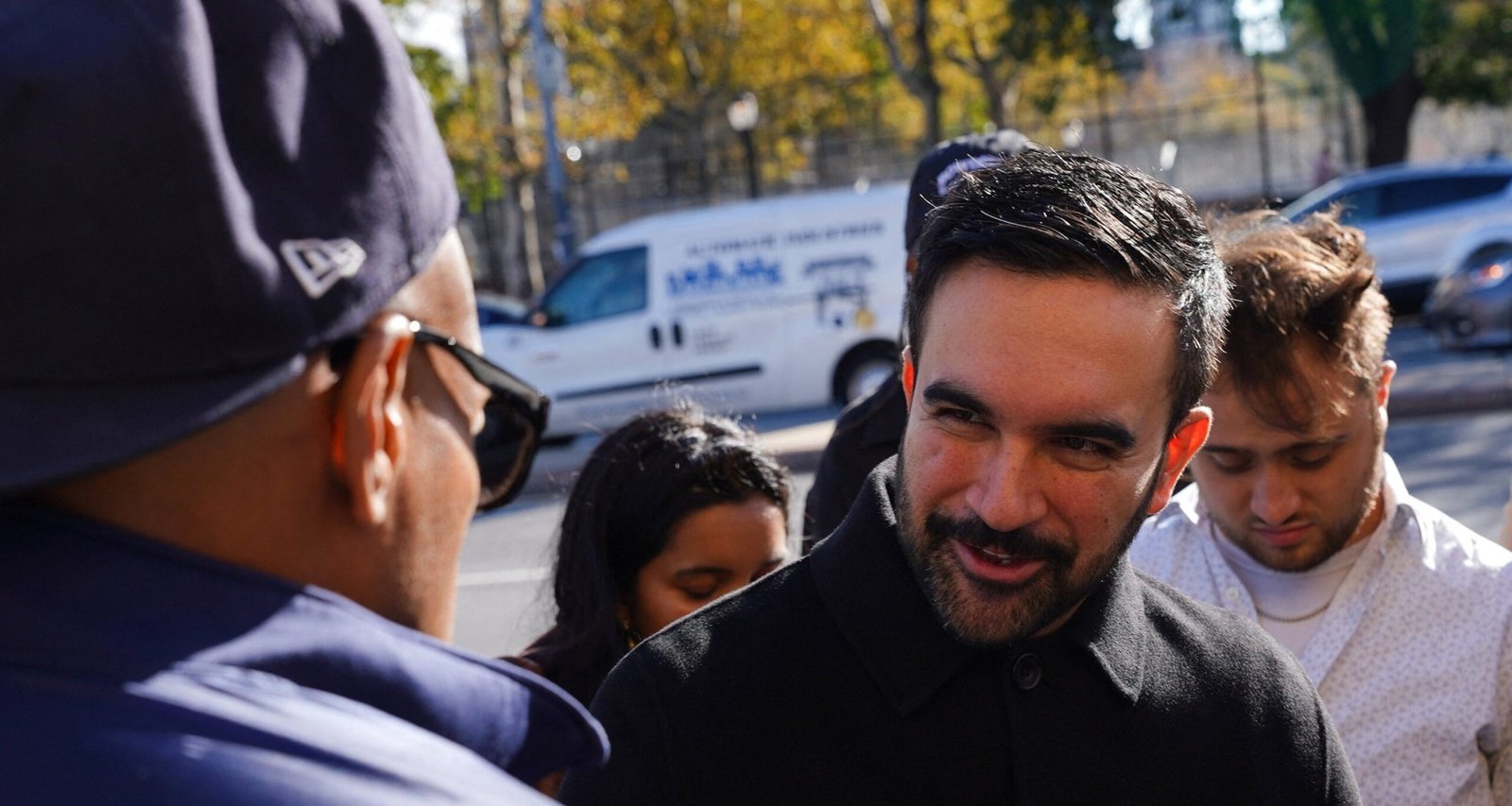
Imagem: Internet
Preparations and Stakeholder Involvement
In advance of the Oval Office session, Mamdani consulted a range of economic and political advisers. Robert Wolf, a former UBS executive with close ties to former President Barack Obama, said on X that he held a Zoom discussion with the mayor-elect on Thursday covering recent economic data and the pending White House visit.
Members of New York’s congressional delegation, including several Democrats who backed Mamdani’s campaign, are monitoring the talks but are not expected to attend. City Hall transition officials said the mayor-elect will be accompanied only by a small policy team focused on taxation, transit and early-childhood education.
Potential Federal-City Flashpoints
Even if Friday’s meeting proceeds cordially, subsequent negotiations could prove difficult. Federal transit funds, immigration enforcement protocols and housing subsidies all sit at the intersection of city and federal authority. Trump has previously signaled willingness to leverage those levers in disputes with Democratic local leaders.
Conversely, congressional Republicans from New York have urged the administration to preserve infrastructure spending in the state, warning that reductions could hurt their own districts. Their position suggests that any punitive measures against the city might face resistance within the president’s party.
Next Steps
Both sides have indicated that Friday’s gathering is only an initial conversation. A spokesperson for the White House said additional staff-level meetings may follow, depending on progress. Mamdani’s transition office plans to release a summary of discussion points but no formal joint statement has been scheduled.
For now, the Oval Office encounter offers a rare chance for the two outspoken figures to address each other directly rather than through social media posts and rally speeches. Whether the dialogue reduces friction or intensifies the political rhetoric could shape federal-city relations as the mayor-elect prepares to take office on January 1.
Crédito da imagem: Reuters


