Early Signals of Senate Resistance
Minutes after the nomination became public, a senior Republican senator on the Banking Committee indicated plans to block Warsh’s confirmation. According to the lawmaker, any vote on a new chair should be postponed until federal prosecutors complete a recently disclosed criminal investigation related to a multi-year renovation of the Fed’s headquarters in Washington, D.C. The inquiry was revealed by Powell earlier in January, marking an unusual spotlight on the normally independent central bank.
The senator’s move threatens to complicate the timeline for installing new leadership at the Fed. A committee hearing and full Senate vote are required before a nominee can assume the position. With Powell’s term expiring in three months, any lengthy procedural delays could leave the central bank without confirmed guidance during a period of heightened scrutiny over monetary policy.
Fed Policy and the Powell Investigation
News of the criminal probe emerged just weeks before the Federal Open Market Committee convened for its first meeting of 2026. At that gathering, policymakers elected to keep the benchmark federal-funds rate unchanged, citing a need for additional data on inflation and labor-market trends. Trump responded by predicting that the committee would adopt a more accommodative stance once a new chair takes office, stating that board members would support aggressive easing “if they respect the Fed chair.”
The White House has not offered details on the investigation, and Powell has emphasized the central bank’s cooperation with federal authorities. While the inquiry remains underway, some lawmakers argue that replacing the current chair could undermine institutional stability. Others contend that fresh leadership aligned with the administration would provide clarity on future policy direction.
Warsh’s Policy Outlook
During his previous stint at the Fed, Warsh often emphasized the risk of inflation and expressed skepticism about large-scale asset purchases. More recently, he has advocated for what he terms “regime change” at the central bank, contending that the post-crisis policy framework has outlived its usefulness. He has also endorsed lower interest rates as a means to stimulate investment and counter global economic headwinds.
Analysts note that Warsh’s evolving stance could align him with the administration’s preference for looser monetary policy. However, his reputation as a market-focused strategist and his experience during the financial crisis may reassure some investors about his willingness to respond decisively in periods of stress. A biography of Warsh’s earlier Fed service is available on the Federal Reserve’s official website.
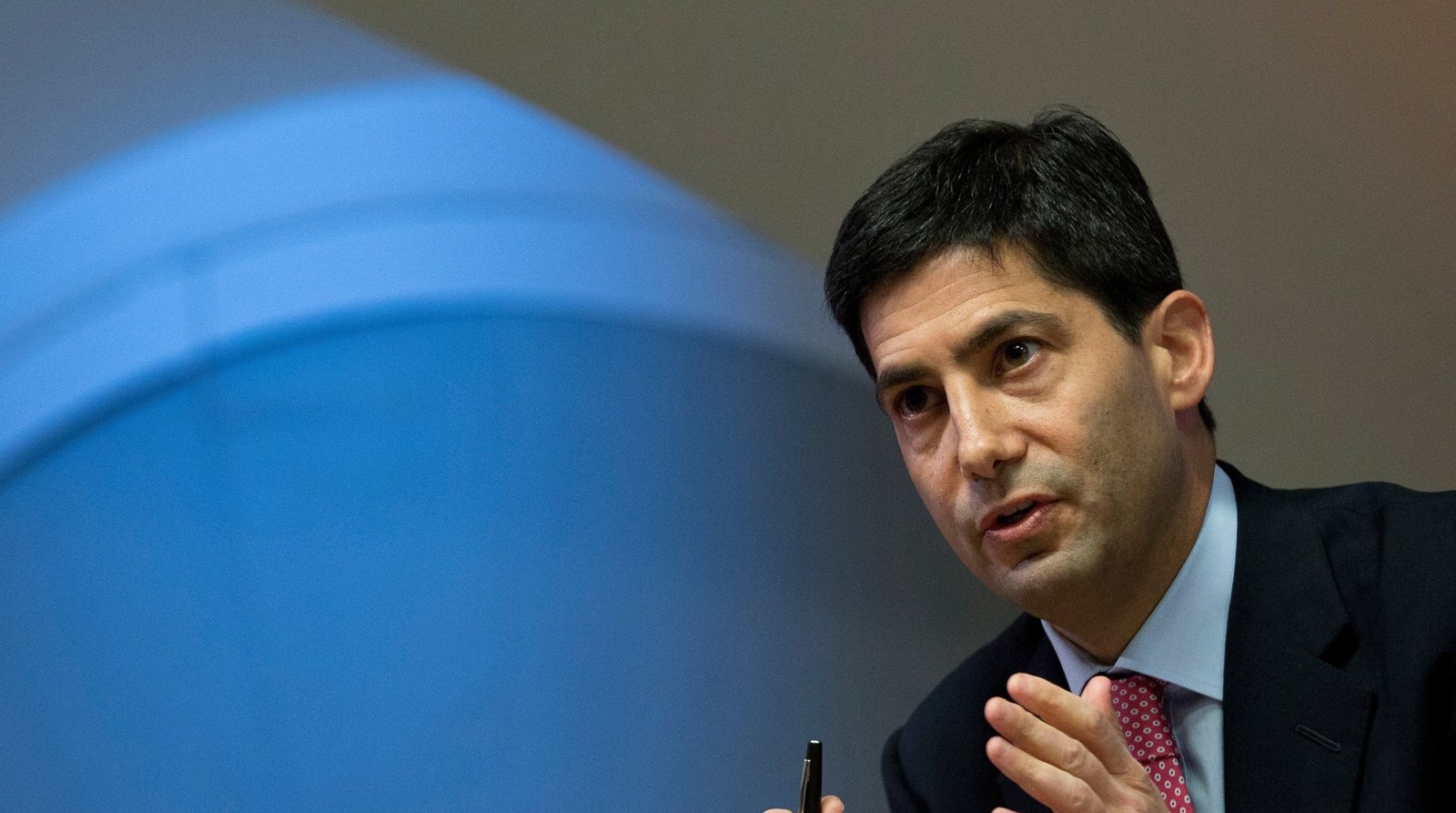
Imagem: Internet
Next Steps in the Confirmation Process
The Senate Banking Committee must first schedule a hearing in which Warsh will outline his policy views and respond to questions about his prior record. If the committee approves the nomination, the full Senate will then vote on confirmation. Passage requires a simple majority, but the emerging opposition within Trump’s own party underscores the uncertainty surrounding the timeline.
Should the Senate delay or reject the nomination, Vice Chair for Supervision Michael Barr could temporarily lead the central bank once Powell’s term concludes. Such an arrangement would be unprecedented in recent decades and could introduce additional volatility to financial markets already sensitive to shifting expectations about interest rates.
Broader Political Context
The nomination arrives as Congress confronts several high-profile disputes, including stalled negotiations over government funding and ongoing litigation initiated by Trump against the Internal Revenue Service and the Treasury Department regarding leaked tax information. In addition, the president has amplified unsubstantiated claims about alleged irregularities in the 2020 election, further heightening political tension in Washington.
Against that backdrop, the fight over the Fed chairmanship positions monetary policy at the center of a broader struggle between the executive branch, Congress and an institution traditionally insulated from day-to-day politics. Whether Warsh secures confirmation may depend less on his monetary orthodoxy and more on how lawmakers balance concerns about central-bank independence with the administration’s push for a rapid shift in policy.
For now, financial markets are likely to watch the Senate’s response and any subsequent statements from Fed officials who will continue to set policy while the leadership transition plays out.
Crédito da imagem: Alastair Grant/AP; Jacquelyn Martin/AP; Jonathan Ernst/Reuters