The proclamation asserts that “this action ends a grave national injustice perpetrated upon the American people following the 2020 Presidential Election and continues the process of national reconciliation.” While extending protection to 77 people, the text explicitly states that it “does not apply to the president of the United States,” leaving Trump outside the scope of the clemency order.
Key figures pardoned
Rudy Giuliani served as Trump’s personal attorney during the contested post-election period and spearheaded litigation in several states alleging irregularities. Those claims were uniformly dismissed by courts. Giuliani faced multiple investigations, including the Georgia case, for allegedly advancing unsupported fraud assertions.
Mark Meadows, who was White House chief of staff in the final months of the administration, appeared before state and federal investigators probing efforts to pressure election officials. Court filings indicated he participated in phone calls and meetings linked to plans for alternate electors.
Sidney Powell, an attorney who filed numerous lawsuits contesting election results, faced accusations of spreading false claims about voting systems. Powell was among the four defendants who pleaded guilty in the Georgia prosecution.
John Eastman, a constitutional scholar, authored memoranda outlining a strategy for then-Vice President Mike Pence to reject certified electoral votes. The plan became a central focus of congressional and criminal inquiries.
Boris Epshteyn, a strategic adviser to Trump’s 2020 campaign, allegedly helped coordinate legal and media responses to the election outcome. Investigators said he communicated with state legislators about certifying alternate electors.
Legal context and reaction
Presidential pardons apply to federal offenses; they do not extend to state charges. Nonetheless, the proclamation claims to shield recipients from “all offenses arising from or relating to the 2020 Presidential Election,” including matters litigated in Georgia. Legal analysts noted that the breadth of language could invite challenges over its reach, though immediate responses from prosecutors were not provided.
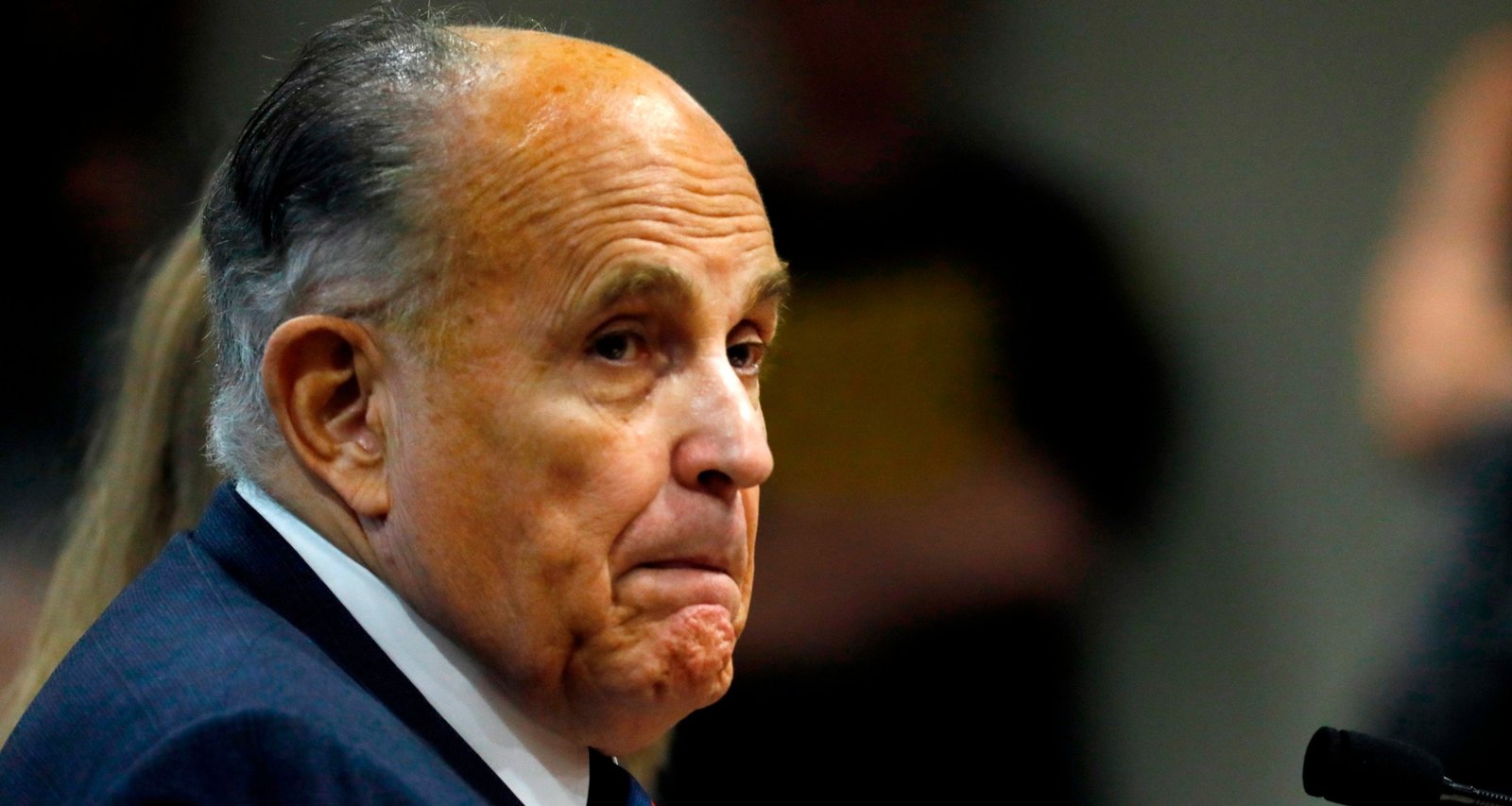
Imagem: Internet
The Justice Department did not issue a formal statement on Monday night. Pardon Attorney Ed Martin’s brief announcement said only that the action complied with the president’s constitutional authority. For background on that authority, see a Congressional Research Service report on presidential clemency powers.
Defense lawyers for several recipients welcomed the move, arguing it spares their clients protracted litigation and potential prison terms. Attorneys representing election workers and government officials who claimed harassment during the post-2020 challenges criticized the decision, asserting that it undermines accountability. No organized public protest had been reported by late Monday.
Ongoing proceedings
While the pardons eliminate federal liability, multiple civil cases linked to alleged defamation and fundraising practices remain active. Plaintiffs seeking restitution for legal fees and reputational harm said they intend to pursue damages in state and federal courts.
Congress has not yet indicated whether it will review the clemency action. Lawmakers from both parties in earlier sessions introduced proposals to clarify the limits of presidential pardon power, but no measure has advanced to a floor vote.
Trump’s proclamation arrives as the former president continues to campaign for the 2028 election and faces separate criminal indictments unrelated to the 2020 vote. Court schedules in those matters remain unaffected by Monday’s clemency order.
Further updates are expected as courts, prosecutors and civil litigants assess the practical impact of the pardons on ongoing investigations and lawsuits.
Crédito da imagem: Jeff Kowalsky/AFP via Getty Images


