In a written statement released shortly after the raid, Machado celebrated what she called Venezuela’s “hour of freedom,” asserting that Maduro now faces “international justice for the atrocious crimes committed against the Venezuelan people and citizens of many other nations.” She urged Venezuelans to mobilize and pressed the armed forces to recognize opposition candidate Edmundo González Urrutia as the country’s legitimate president.
Independent exit polls from the 28 July 2025 election indicated that González Urrutia secured roughly two-thirds of the vote, findings later endorsed by the U.S. government as “overwhelming evidence” of victory. Maduro, however, declared himself the winner, refused to concede and intensified security crackdowns, deepening a political standoff that has now culminated in his removal.
Political analyst Liz Alarcón, appearing on U.S. television, challenged Trump’s assessment of Machado’s standing. Alarcón argued that Venezuelans inside and outside the country already view Machado and González Urrutia as the rightful leadership team and insisted that any transition respect “the democratic will of the Venezuelan people.” She also warned against installing figures linked to Maduro’s ruling party or any individual “who does not honor that mandate.”
Reaction on the streets of Caracas was mixed but largely calm. Residents stocked up on groceries amid uncertainty about how long U.S. forces will remain and how Venezuela’s military will respond. Venezuelan-American journalist José Enrique Arrioja described the developments as “a historic moment” yet cautioned that the coming weeks could bring volatility as power structures adjust.
Supporters of the ousted president condemned the U.S. intervention. Vice President Delcy Rodriguez, speaking on state television, demanded Maduro’s immediate release, calling him “the only president of Venezuela.” She contended that Washington’s action amounted to a bid for regime change aimed at controlling Venezuela’s energy and mineral resources. Rodriguez convened the National Defense Council and called on civilians and the armed forces to mobilize in defense of national sovereignty.
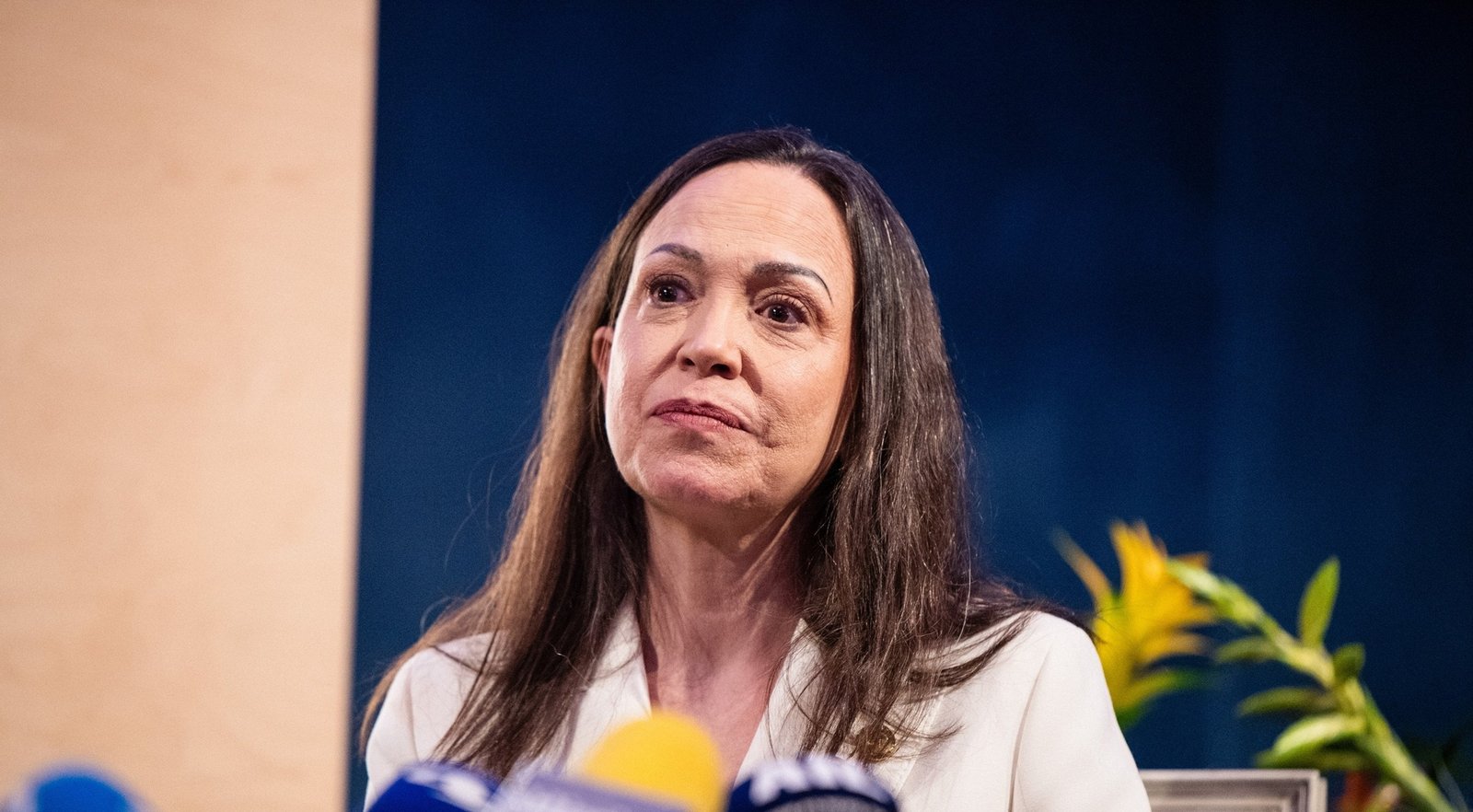
Imagem: Internet
Rodriguez’s televised address appeared to conflict with Trump’s account of a separate conversation between her and Secretary of State Marco Rubio. The president said Rodriguez indicated she was prepared to cooperate with Washington and would “do what we think is necessary to make Venezuela great again.” No independent confirmation of that exchange was available.
While the White House outlined no specific timetable for handing power to a civilian government, officials stated that a provisional authority led by U.S. agencies and allied partners will oversee security, humanitarian relief and the organization of new elections. This approach resembles earlier international administrations in conflict zones, such as the U.N.-mandated missions in Kosovo and East Timor, though legal scholars note key differences in mandate and scope. A background on such transitional models is provided by the United Nations Peacemaker database.
Inside Venezuela, questions persist about the loyalty of security forces. ABC News reported that senior military commanders have not yet issued a unified statement, leaving open the possibility of factional splits or negotiated surrender. Analysts suggest that guarantees of amnesty or exile could influence whether remaining Maduro allies step aside peacefully.
Beyond internal dynamics, the operation has drawn sharp international scrutiny. Governments in the region have yet to release coordinated responses, and the Organization of American States scheduled an emergency session for early next week. Diplomatic observers expect debates over sovereignty, the legality of cross-border military action and the terms of any interim administration.
For now, Machado continues to urge Venezuelans to remain “vigilant, active and organized” until a democratic transition is secured. Whether she, González Urrutia or another figure ultimately leads that transition may depend on negotiations among opposition factions, the stance of the armed forces and the parameters set by the United States as it manages the post-Maduro landscape.
Crédito da imagem: Luis Acosta/AFP via Getty Images


