The administration has not provided a reason for the discrepancy between the president’s earlier characterization and the new information. White House Press Secretary Karoline Leavitt said only that the president’s clinicians had consistently referred to “advanced imaging.”
Purpose and Results of the Scan
According to Barbabella, the CT scan was performed to rule out cardiovascular disease. The imaging showed no abnormalities, and the physician said it corroborated earlier assessments that the president remains in “exceptional health.” A CT scan uses X-rays to create cross-sectional images of the body, whereas an MRI relies on magnetic fields and radio waves. Both technologies help clinicians evaluate internal organs and structures, but they differ in technique, cost and the type of detail they provide. More information on the two modalities can be found on the Mayo Clinic’s public resource page.
The October imaging was described by the White House as preventative, part of an ongoing effort to detect potential health issues at an early stage. Barbabella noted that such studies complement the routine annual physical and baseline laboratory work already performed.
President’s Reflections on the Test
In the Journal interview, Trump said that, in hindsight, he regrets consenting to the procedure because political opponents have used the visit to raise speculation about his fitness for office. He argued that the mere fact of having a scan generated questions even though the results were normal.
Medication and Bruising
During the conversation, Trump also addressed visible bruising on his hands observed at recent public events. He attributed the marks to a high dose of aspirin he has taken daily for approximately 25 years. According to the president, his medical team has recommended a lower dose, but he has declined to change the regimen because he believes the medication helps maintain blood flow. Aspirin is commonly prescribed for its blood-thinning effect, though prolonged use can increase bruising and bleeding risk.
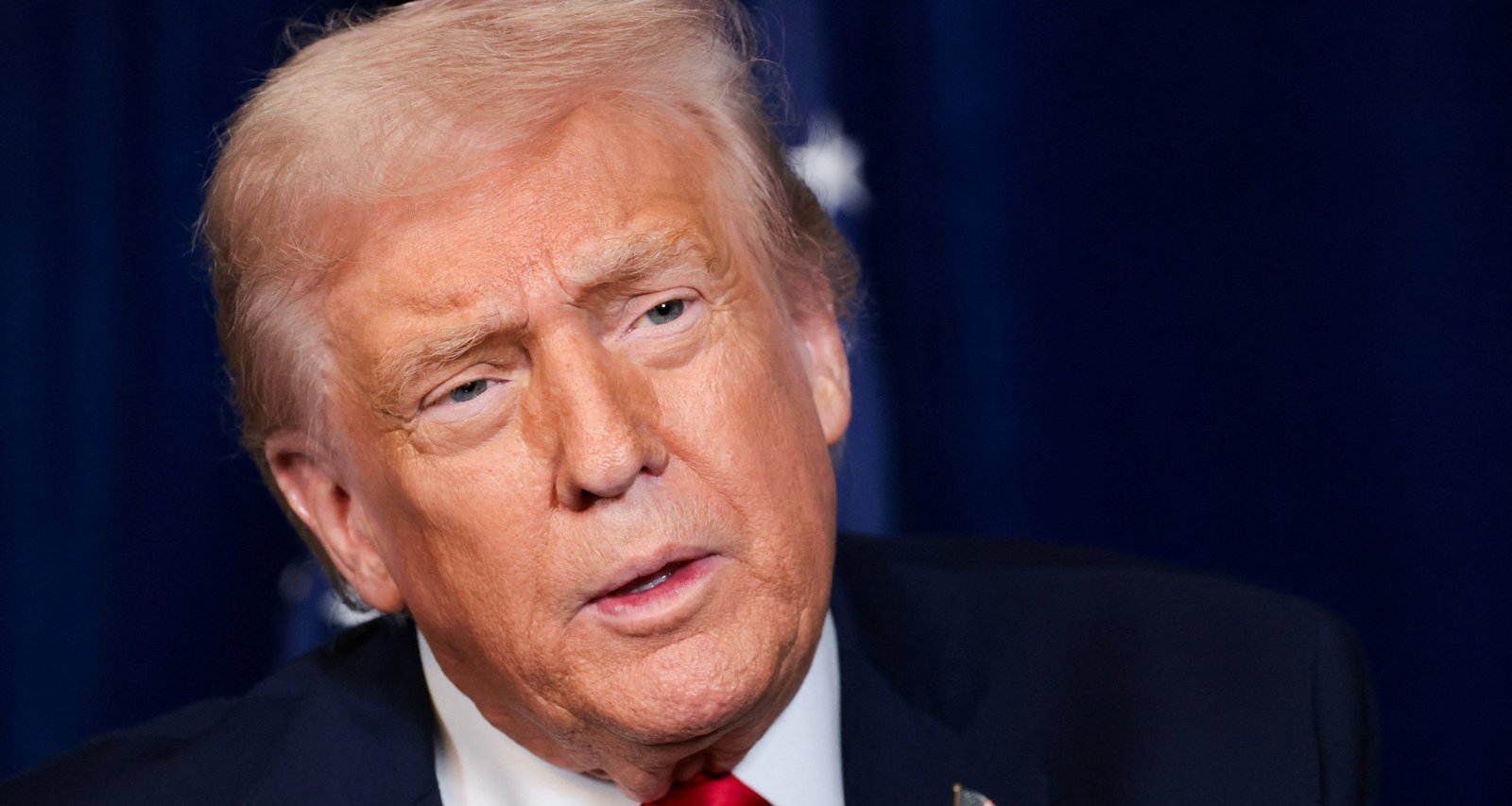
Imagem: Internet
Questions About Alertness at Public Events
The Journal article noted instances in which Trump appeared to close his eyes during official meetings, including a Cabinet session in early December and a November announcement on drug pricing. White House staff have reportedly asked him to keep his eyes open during televised events, and Chief of Staff Susie Wiles has encouraged presenters to shorten briefings to maintain engagement. Trump dismissed suggestions that he had fallen asleep, saying he sometimes closes his eyes briefly because he finds it relaxing.
Current Health Assessment
Barbabella reiterated in a separate statement to ABC News that the president remains “perfectly suited” to perform the duties of commander in chief. Besides the CT report, no additional details about laboratory values or cardiovascular testing have been disclosed publicly since the December memo.
The October visit was the second time during Trump’s presidency that an unannounced trip to Walter Reed drew broad attention. The White House maintains that the imaging and related tests were routine and that no urgent medical event prompted the hospital stop.
As of now, the administration has not indicated whether full records from the CT scan will be released. The standard annual physical for 2026 is expected to take place early in the new year, continuing a practice of publishing summary health information set during previous administrations.
Crédito da imagem: Reuters


