The lack of a defined funding source leaves open questions about whether the dividend would rely on existing tariff revenue or require additional borrowing. According to the Congressional Budget Office, customs duties generated approximately $75 billion in fiscal year 2024, well below the estimated cost of providing $2,000 to every adult in the United States. The administration has not clarified whether the payment would cover minors or be phased out at specific income levels.
Tariffs as Central Economic Strategy
Since taking office in 2017, Trump has made tariffs a centerpiece of his economic policy, imposing duties on steel and aluminum from multiple countries and levying additional tariffs on hundreds of billions of dollars in Chinese imports. The White House has argued that the measures protect domestic industries and incentivize foreign governments to negotiate more favorable trade terms. Critics, including business groups and several members of Congress from both parties, counter that tariffs raise costs for U.S. companies and consumers while inviting retaliatory measures abroad.
Trump’s latest statements portray tariffs not only as a trade instrument but also as a direct revenue stream for households. By asserting that the United States is “the richest, most respected country in the world,” the president linked tariff collections to nationwide economic gains. Independent economists have noted that while tariffs can generate federal revenue, their broader impact on prices, supply chains and employment varies across sectors.
Context of a Prolonged Government Shutdown
The proposed dividend emerged as the federal government remained partially closed over budget disputes unrelated to tariffs. Agencies responsible for food assistance, aviation oversight and national parks have been operating with limited staff and resources. The shutdown has also delayed action on pending legislation, including a separate health-care initiative that the administration has said it will unveil later this year.
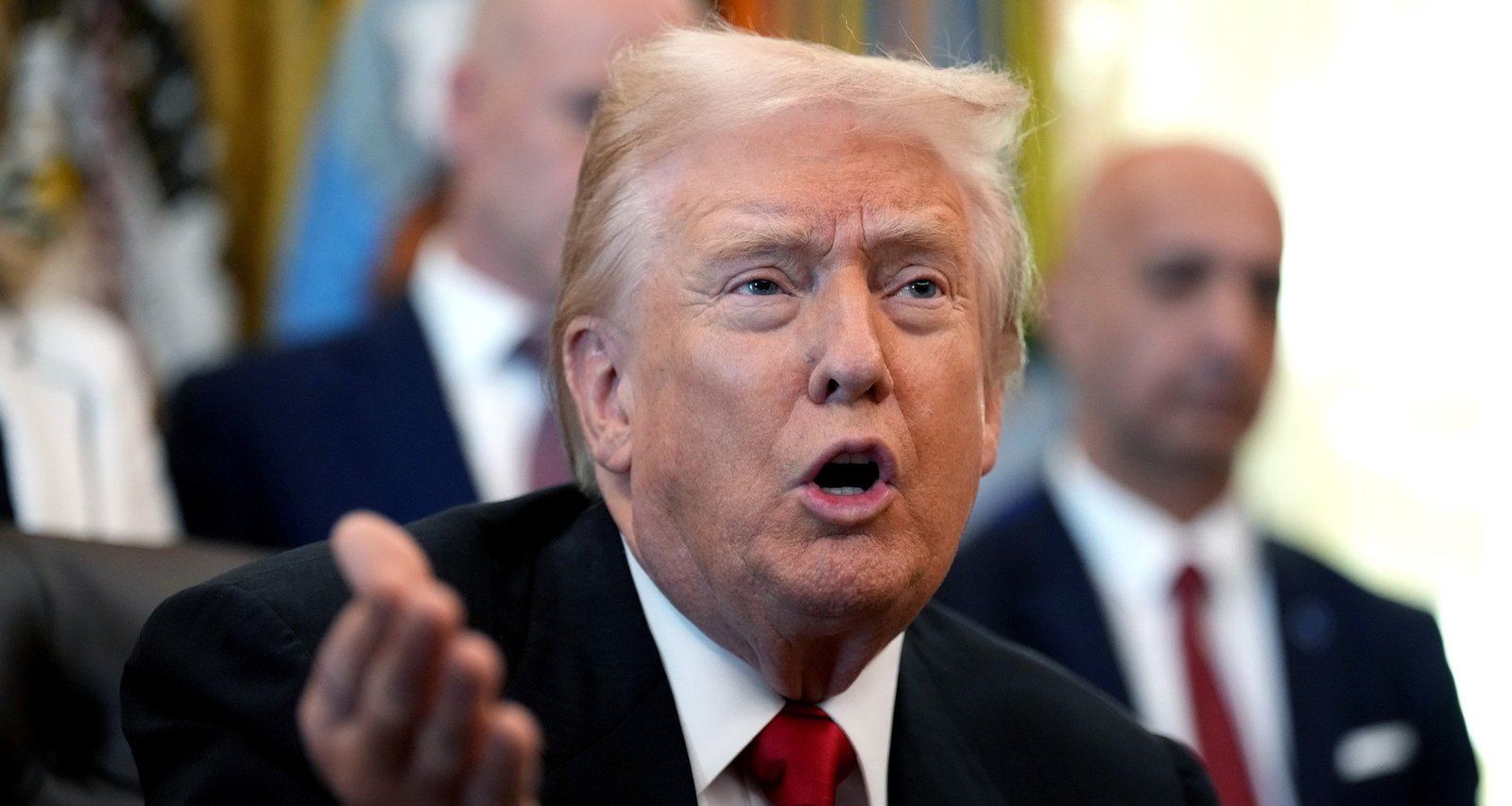
Imagem: Internet
In the same ABC interview, Bessent confirmed that no formal health-care proposal is ready for congressional review, underscoring the administration’s focus on multiple policy fronts amid the budget standoff. Lawmakers across the aisle have expressed interest in examining the tariff dividend once a detailed plan is available, but several have questioned whether the executive branch can authorize such payments without legislative approval.
Next Steps and Legislative Outlook
Before any payments can be issued, the administration will likely need to determine eligibility criteria, establish a distribution system—possibly through the Internal Revenue Service—and secure funding. Congress would have to appropriate money or enact tax changes unless the White House identifies an existing surplus sufficient to cover the cost.
Analysts say the proposal could face hurdles similar to those encountered by earlier stimulus efforts, including debates over means-testing, regional disparities and the overall impact on the federal deficit. With the legislative calendar constrained by the ongoing shutdown and upcoming budget deadlines, it remains uncertain when or whether a tariff dividend bill might reach the floor of either chamber.
For now, the plan stands as a public declaration without accompanying legislation, agency guidance or timetable. Administration officials indicated that additional information will be released “in the coming weeks,” but offered no specific date. Observers in Washington are watching closely to see whether the concept evolves into a formal proposal or remains a rhetorical element of the president’s broader economic message.
Crédito da imagem: Andrew Harnik


