White House Response
Questioned by reporters about Trump’s comments, White House spokesperson Abigail Jackson said the former president remains “deeply concerned” about election security. She referenced the proposed SAVE Act, which would establish a nationwide photo-identification requirement, ban no-excuse mail voting, and prohibit ballot collection by third parties—measures the administration argues would create uniform standards across states.
Democratic Criticism
Senate Minority Leader Chuck Schumer, the chamber’s top Democrat, denounced Trump’s remarks on the Senate floor. Schumer contended that the former president’s suggestion to nationalize elections disregards constitutional limits, characterizing the idea as “outlandishly illegal.” He questioned whether Trump “believes in democracy” and offered to provide him with a copy of the nation’s founding document.
Midterm Stakes
The 2026 midterms will decide all 435 House seats and 35 of the 100 Senate seats. Republicans currently hold narrow majorities in both chambers, and the outcome could determine the viability of Trump’s legislative agenda should he pursue another term. Historically, the president’s party often loses ground during midterm cycles, a dynamic that could threaten the GOP’s control.
Seeking to bolster their chances, Republicans last year pushed for mid-decade redistricting to secure additional House districts. During a closed-door session in January, Trump warned Republican lawmakers that a failure to retain control could expose him to renewed impeachment efforts.
Focus on Georgia Records
Trump continues to contest his 2020 defeat, repeating assertions of widespread fraud. Those claims resurfaced last week when the FBI executed a court-authorized search at the Fulton County Elections and Operations Hub in Georgia, a pivotal state that President Joe Biden carried in 2020. Agents collected original 2020 voting records as part of an ongoing investigation.
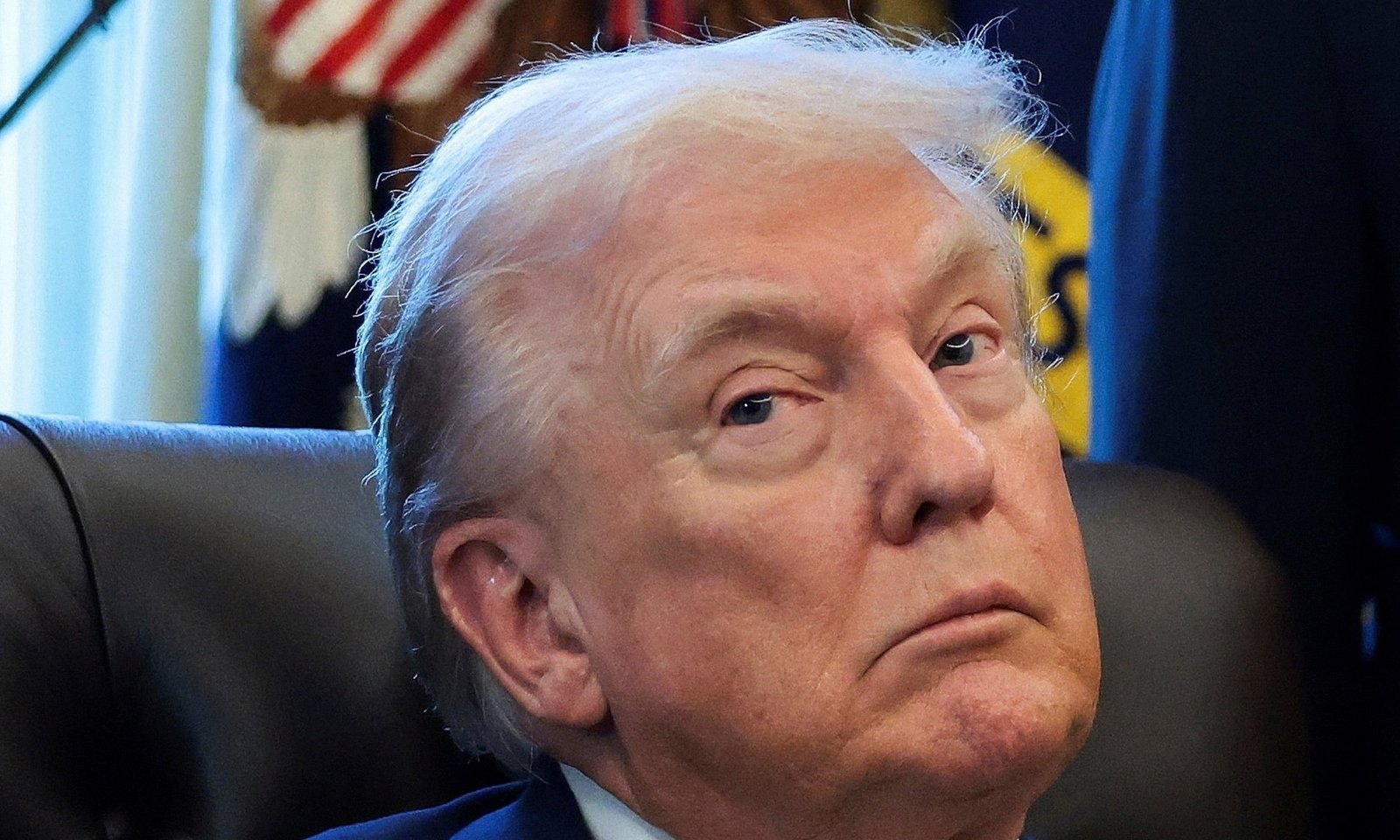
Imagem: Internet
In Monday’s interview, Trump predicted “interesting things” would emerge from the seized documents. Election experts, however, note that state and federal audits have consistently found no evidence of systemic fraud in Georgia or elsewhere.
Legal and Practical Barriers
Under current law, states administer voter registration, ballot distribution, and vote counting. Any federal effort to centralize those activities would require congressional action and could face legal challenges from states asserting their constitutional authority. Experts also point out that non-citizen voting in federal elections is already illegal and extremely rare, a conclusion supported by studies from both academic institutions and the federal government.
Despite the constitutional constraints, Trump’s call resonates with segments of the Republican base that remain skeptical of election integrity. Recent polling indicates that a sizable share of GOP voters believe the 2020 election was flawed, a sentiment Trump has repeatedly amplified. His latest comments may intensify pressure on Republican lawmakers to pursue national legislation aimed at tightening voting rules.
Next Steps
No Republican leaders have publicly endorsed Trump’s specific proposal to “take over” elections, though several have advocated for stricter identification requirements and limits on absentee voting. Any comprehensive attempt to alter election administration would require passage by both chambers of Congress and the president’s signature, or sufficient support to override a veto—an outcome considered unlikely given the current political divide.
For now, states will continue preparing for the 2026 midterms under existing laws. Primary contests are expected to begin next spring, and election officials are simultaneously updating voter rolls, testing ballot-tabulation systems, and refining security protocols. The debate over federal versus state control of elections, however, is likely to remain a central issue as campaigning intensifies.
Crédito da imagem: Evelyn Hockstein/Reuters