Uncertainty Over Iran
Support was less uniform when the discussion turned to Iran, where anti-government demonstrations have resulted in thousands of deaths, according to opposition counts. Wattigney said she would “hate our men to get hurt” if U.S. forces were deployed, while Rose favored non-lethal tools such as cyber or covert operations. He argued that the White House does not need to outline every tactical option in advance, provided the actions remain effective and minimize casualties.
Christopher Friedman, a probation officer from Washington state, expressed indifference toward the Venezuelan operation but clear reluctance about involvement in Iran. Friedman labeled Tehran’s leadership “bad” yet maintained that “the people of Iran need to carve out their own destiny” without U.S. troops on the ground.
Debate Over Greenland Strategy
Greenland, an autonomous territory within the Kingdom of Denmark, has become another point of contention. Trump has indicated that control of the island could serve U.S. strategic interests amid competition with China and Russia. Rose called the Arctic landmass a “strategic necessity,” but said he wanted greater transparency about any discussions between Washington and Copenhagen—particularly if military options were under review.
Janelle Manes, a self-employed Wisconsin voter, opposed the notion of “trying to come through and take over” the territory. She contrasted the idea with the 19th-century U.S. purchase of Alaska, suggesting that Greenland’s status as part of the Danish realm makes the two cases fundamentally different. Friedman also doubted that force would be used, advocating instead for three-way negotiations between the United States, Denmark and Greenland’s local authorities.
Polls Reflect National Divide
Recent surveys mirror the voters’ split opinions. A Quinnipiac University poll released Wednesday found 70 percent of Americans opposed to U.S. intervention in Iran even if protestors are killed, including 80 percent of independents and 53 percent of Republicans. On Venezuela, respondents were roughly evenly divided: 47 percent backed Maduro’s removal, while 45 percent disapproved. Party lines were stark—85 percent of Republican voters supported the action compared with 21 percent of Democrats.
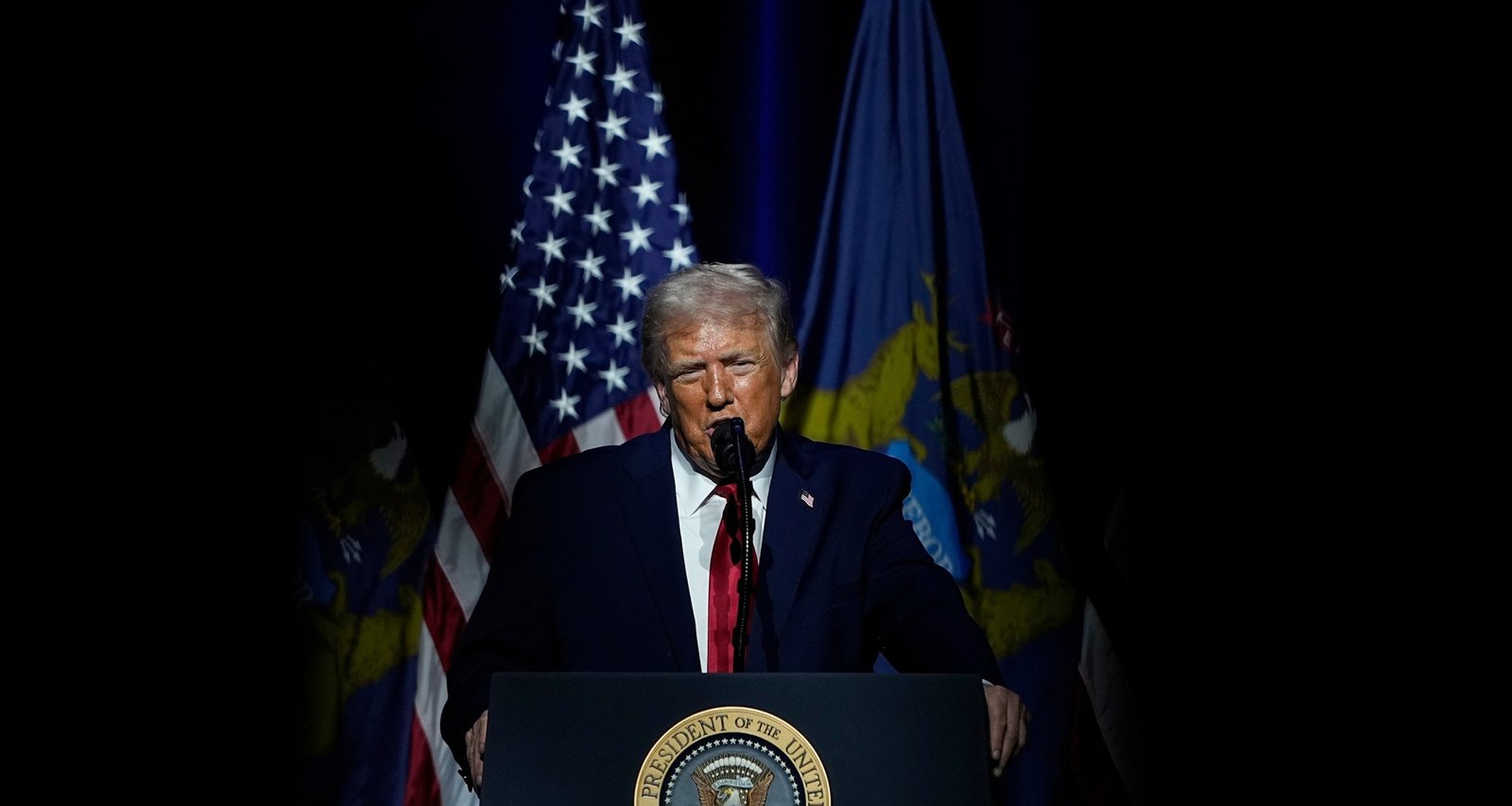
Imagem: Internet
A separate Reuters/Ipsos survey indicated that 66 percent of adults worry a U.S. bid for Greenland could strain relations with NATO partners. Concern was highest among Democrats (about nine in ten) and lowest among Republicans (about four in ten), with independents falling in between.
Motives and Legal Questions
While the administration has framed the Venezuelan operation as an anti-drug mission, Venezuelan officials deny government involvement in narcotics. Manes questioned whether the legal justification for Maduro’s capture was fully established, though she acknowledged potential benefits for Venezuelan citizens. She rejected speculation that oil reserves were the primary motive.
Regarding Iran, supporters who favor limited engagement point to the potential effectiveness of cyber operations. Rose suggested that advanced, non-lethal measures could achieve objectives without ground troops, a stance echoed by others wary of extended conflicts.
Fiscal Implications
Friedman raised cost concerns about any Greenland acquisition, noting the U.S. national debt. He compared the potential expenditure to past territorial purchases such as Alaska and the Louisiana Territory, but warned that current fiscal conditions differ sharply from those historical precedents.
Outlook
As the administration weighs additional steps in Iran and continues discussions related to Greenland, Trump’s 2024 electorate remains far from unanimous. Some view strong action as proof that the United States continues to safeguard international order; others caution against new military entanglements and question the financial and legal ramifications. National polling suggests that this division among supporters tracks closely with broader public opinion, underscoring the political complexity of each foreign-policy decision.
Crédito da imagem: Ryan Sun / AP; Reuters; Joe Raedle / Getty Images


