Earlier in the month, on February 12, 2026, Wells Fargo analyst Edward Kelly reduced his target to $110 from $135 and kept an Overweight recommendation. Kelly wrote that he expects Sprouts’ fourth-quarter results to align with market consensus but projected that fiscal-year 2026 guidance could fall below current Street estimates. According to the analyst, first-half same-store sales are likely to remain soft before potentially recovering in the second half, should consumer trends stabilize and internal initiatives gain traction.
Sprouts Farmers Market operates more than 400 stores across the United States, concentrating on fresh, natural, and organic food offerings that appeal to health-oriented and value-conscious customers. The Phoenix-based company differentiates itself through a produce-centric layout and a mix of private-label items positioned to meet demand for minimally processed products. While UBS acknowledged that the retailer’s operating model remains “structurally stronger” compared with its pre-pandemic profile, it signaled that recent momentum driven by unique sector dynamics is unlikely to repeat at the same pace.
The sequence of price-target reductions arrives ahead of Sprouts’ scheduled earnings release, heightening investor focus on the chain’s ability to navigate a less favorable economic backdrop. Supply-chain normalization, wage inflation, and shifting consumer spending habits have emerged as industry-wide headwinds, and analysts are watching how Sprouts balances promotional activity with margin preservation. Wells Fargo’s forecast of a subdued first half underscores the uncertainty surrounding discretionary grocery spending, particularly within the natural and organic segment, which had enjoyed robust growth when pandemic-era stimulus and at-home dining propelled sales.
Despite the more cautious outlook, Sprouts continues to appear on several growth stock screens. The grocer was recently listed among the “11 Best High Growth Consumer Stocks to Buy Right Now,” a compilation that ranks companies with strong historical revenue expansion and scalable business models. Inclusion on such lists reflects the market’s longer-term confidence in Sprouts’ niche positioning, store expansion strategy, and commitment to product innovation, even as short-term projections moderate.
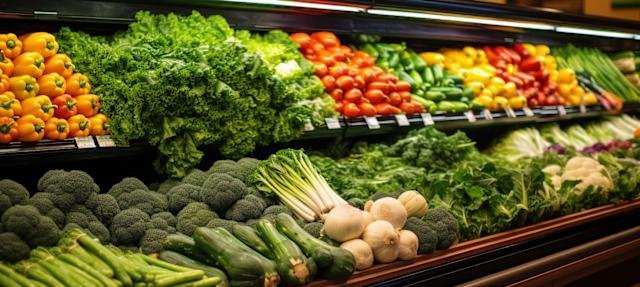
Imagem: Internet
Some equity research notes compared Sprouts’ risk-reward profile with that of high-growth technology names, particularly in artificial intelligence, suggesting that certain AI companies may offer greater upside potential with lower perceived downside risk. Those assessments, while outside the food retail sector, have contributed to a broader debate over capital allocation as investors weigh defensive consumer staples against more cyclical or disruptive themes.
For those seeking additional background on Sprouts’ financial condition, the company’s quarterly and annual filings are available through the U.S. Securities and Exchange Commission’s EDGAR database. These documents detail the grocer’s sales performance, store count, capital expenditures, and risk factors, providing context that can help frame the differing price-target assumptions issued by UBS, Barclays, and Wells Fargo.
Market participants will receive the next concrete update when Sprouts reports fourth-quarter and full-year 2025 earnings. Consensus estimates, alongside management’s forward guidance, are expected to influence whether additional revisions to analyst models—and their corresponding ratings—are warranted. Until then, the $75 target from UBS now marks the lowest among the three major brokerages that have recently updated their views, underscoring a widening spread in valuation perspectives for the specialty retailer.
The UBS note did not disclose any investment banking relationship with Sprouts Farmers Market, nor did it indicate equity ownership by the authors. Barclays and Wells Fargo also provided no specific ownership disclosures in their respective reports. All three institutions, however, reminded clients that forecasting consumer behavior in a shifting economic environment carries a heightened degree of uncertainty and that price targets may change as new data emerge.
Crédito da imagem: Sprouts Farmers Market, Inc.


