Prince Harry Cites Personal Experience
Prince Harry, who completed two tours of duty in Afghanistan in 2008 and 2012 as a British Army captain, issued a written statement emphasizing the sacrifices made by allied soldiers. “I served there, made lifelong friends there and lost friends there,” he said. The prince noted that the United Kingdom alone recorded 457 fatalities and stressed that “those sacrifices deserve to be spoken about truthfully and with respect.”
Starmer Calls Remarks “Insulting”
Speaking to reporters in London, Prime Minister Starmer described Trump’s assessment as “insulting and, frankly, appalling.” He highlighted the impact on families of the fallen and praised the “courage, bravery and sacrifice” of British service members. Starmer’s statement underscored that Britain’s population is roughly one-fifth that of the United States, making its casualty total significant in per-capita terms.
Response From Other NATO Members
Polish Prime Minister Donald Tusk also reacted, recalling a 2011 ceremony in Ghazni, Afghanistan, honoring five Polish soldiers killed in action. Poland lost 44 personnel during the mission, a figure he cited to challenge Trump’s portrayal. Tusk wrote on social media that American officers present at the ceremony had assured him the United States would “never forget the Polish heroes.”
Denmark, another country singled out by Trump in past comments, reported 44 deaths over the course of the conflict despite having a population about 2 percent the size of the United States.
White House Response
Asked about the backlash, White House spokeswoman Taylor Rogers issued a brief statement defending Trump’s position. She said, “The United States of America has done more for NATO than any other country in the alliance has done combined.” The statement did not address specific casualty figures or operational details.
Wider Debate Over Alliance Commitments
Trump has repeatedly questioned whether NATO members would come to America’s defense under Article 5, asserting during his World Economic Forum address that he “really” doubts allied willingness to reciprocate the U.S. commitment. His latest remarks come amid separate tensions with European capitals, including disputes over defense spending and his recent interest in acquiring Greenland.
Under longstanding NATO guidelines, members aim to spend at least 2 percent of gross domestic product on defense, though only a subset consistently meets that target. Trump has frequently used that benchmark to argue that the United States shoulders a disproportionate share of the alliance’s financial burden. However, allies note that their contributions are not limited to budgets and point to Afghanistan as evidence of tangible military support.
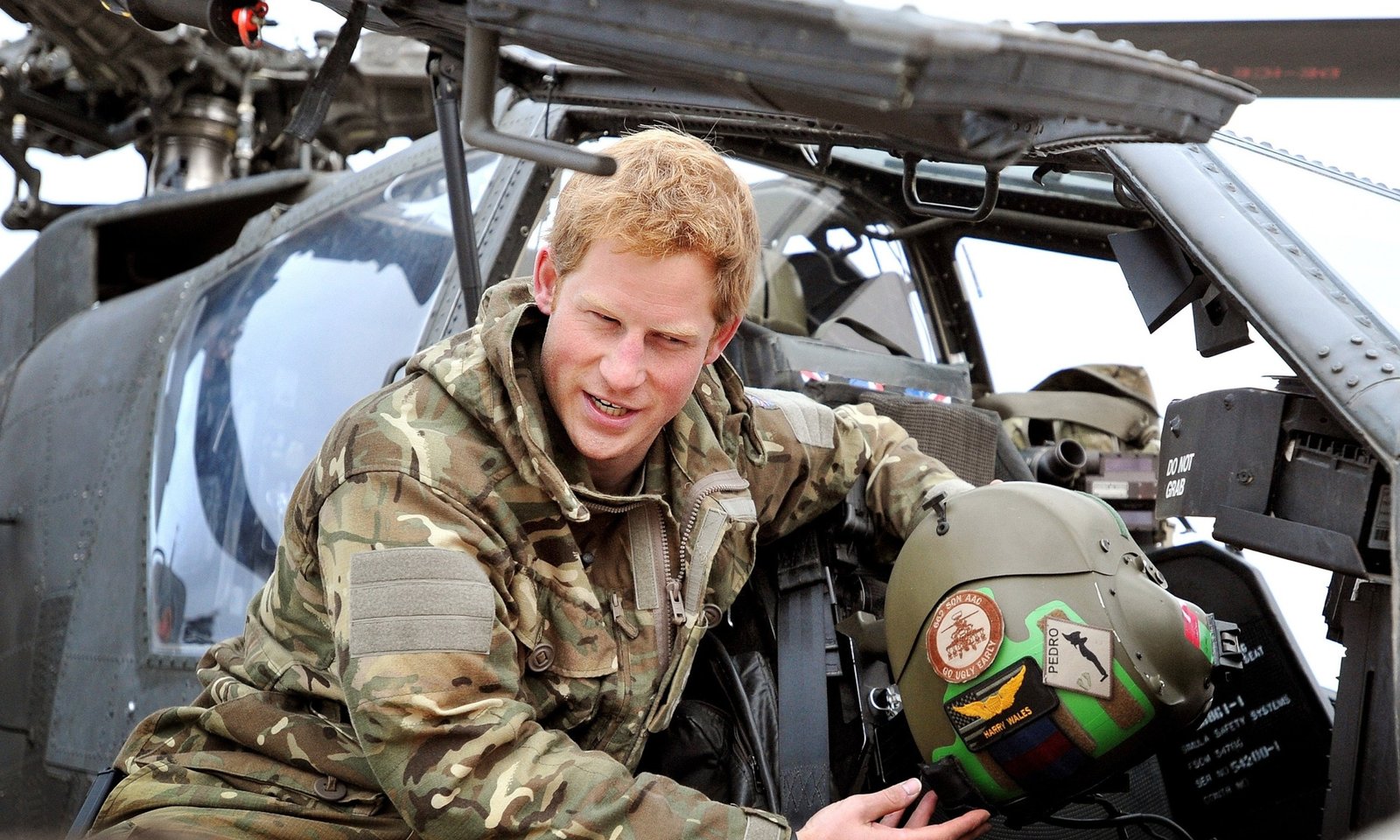
Imagem: Internet
Casualty Numbers by Country
While American forces sustained the largest absolute losses in Afghanistan, several partners experienced comparable per-capita impacts. Britain’s 457 deaths represent roughly one casualty per 147,000 residents. Canada lost 158 troops; relative to its population, that ratio is similar to the British figure. Smaller nations such as Estonia and Denmark recorded casualties that, proportionally, exceeded many larger allies.
Beyond fatalities, thousands of allied personnel were wounded or returned home with physical and psychological injuries. Veteran support organizations in the United Kingdom, Canada, Germany and other states continue to provide medical and mental-health services to those affected.
Operational Role of Allies
NATO partners assumed a variety of combat and support duties during the International Security Assistance Force (ISAF) mission and its successor, Operation Resolute Support. British troops led operations in Helmand Province; Canadian forces were active in Kandahar; and Polish units were responsible for security in Ghazni. Danish, Estonian and Czech contingents participated in joint patrols and mentoring missions. Many allies also contributed airlift, reconnaissance and medical evacuation assets that supplemented U.S. capabilities.
The decision to deploy these forces was often controversial domestically, prompting parliamentary debates and, in some cases, election-season scrutiny. Nonetheless, successive governments in London, Ottawa, Warsaw and elsewhere maintained their commitments until NATO concluded combat operations at the end of 2014 and transitioned to a training role.
Continuing Repercussions
Reactions to Trump’s latest comments highlight enduring sensitivities about the Afghanistan war and the broader trans-Atlantic relationship. Analysts note that public skepticism toward military engagements overseas remains high across Europe, yet political leaders continue to stress the strategic value of NATO and the principle of collective defense.
For families of the fallen, public acknowledgment of their loss remains a priority. Memorial services, scholarship funds and charitable initiatives honor those who served. In the United Kingdom, the Armed Forces Memorial in Staffordshire includes the names of all 457 service members killed in Afghanistan, with additional commemorations held annually.
As debate over alliance responsibilities persists, Prince Harry, Prime Minister Starmer and other European officials have emphasized that the record of shared sacrifice in Afghanistan should inform, rather than diminish, future discussions about NATO’s role.
Crédito da imagem: John Stillwell/AFP via Getty Images; Leon Neal/Getty Images; John Moore/Getty Images