While diplomatic efforts continued, both countries reported extensive drone activity overnight. Russia’s Defense Ministry said its air defenses intercepted at least 38 Ukrainian drones between Tuesday night and Wednesday morning. Six of those drones were downed over the Moscow region, and four were described as heading toward the capital. Moscow Mayor Sergei Sobyanin indicated that emergency teams were dispatched to multiple sites to clear debris from the intercepted aircraft.
Ukraine’s air force recorded a simultaneous wave of Russian strikes. Military officials in Kyiv reported that Russia launched 80 unmanned aerial vehicles across Ukrainian territory overnight. Ukrainian defenses claimed to have shot down or suppressed 50 of the incoming drones, though impacts from 29 aircraft were confirmed in seven locations. Authorities did not immediately provide casualty or damage figures.
The exchange underscored the continued intensity of the war even as negotiators seek a political resolution. Zelenskyy told Ukrainian journalists on Tuesday evening that work on the proposal had taken longer than expected because experts from several European capitals were still adjusting language on territorial questions and future security arrangements. He reiterated that Kyiv has not agreed to cede any occupied land as part of the settlement.
Energy infrastructure remains a particularly sensitive issue. On Tuesday, Zelenskyy proposed an “energy truce” under which both sides would halt strikes against power facilities during the winter. Kremlin spokesperson Dmitry Peskov dismissed the idea on Wednesday, stating that Moscow is concentrating on achieving a broader peace rather than a temporary cease-fire.
In a separate development, Zelenskyy held an initial meeting with U.S. Treasury Secretary Scott Bessent, former White House adviser Jared Kushner and BlackRock Chief Executive Larry Fink to discuss a prospective plan for Ukraine’s post-war reconstruction and economic recovery. The president said that a dedicated document addressing financial mechanisms and investment safeguards is being prepared alongside the 20-point peace plan.
As the drafting process moves forward, Kyiv aims to secure a coordinated stance among its Western partners. Analysts note that any agreement will likely require endorsement from the United Nations Security Council, where Russia holds veto power. The UN Security Council has been divided over the conflict since the full-scale invasion began in February 2022.
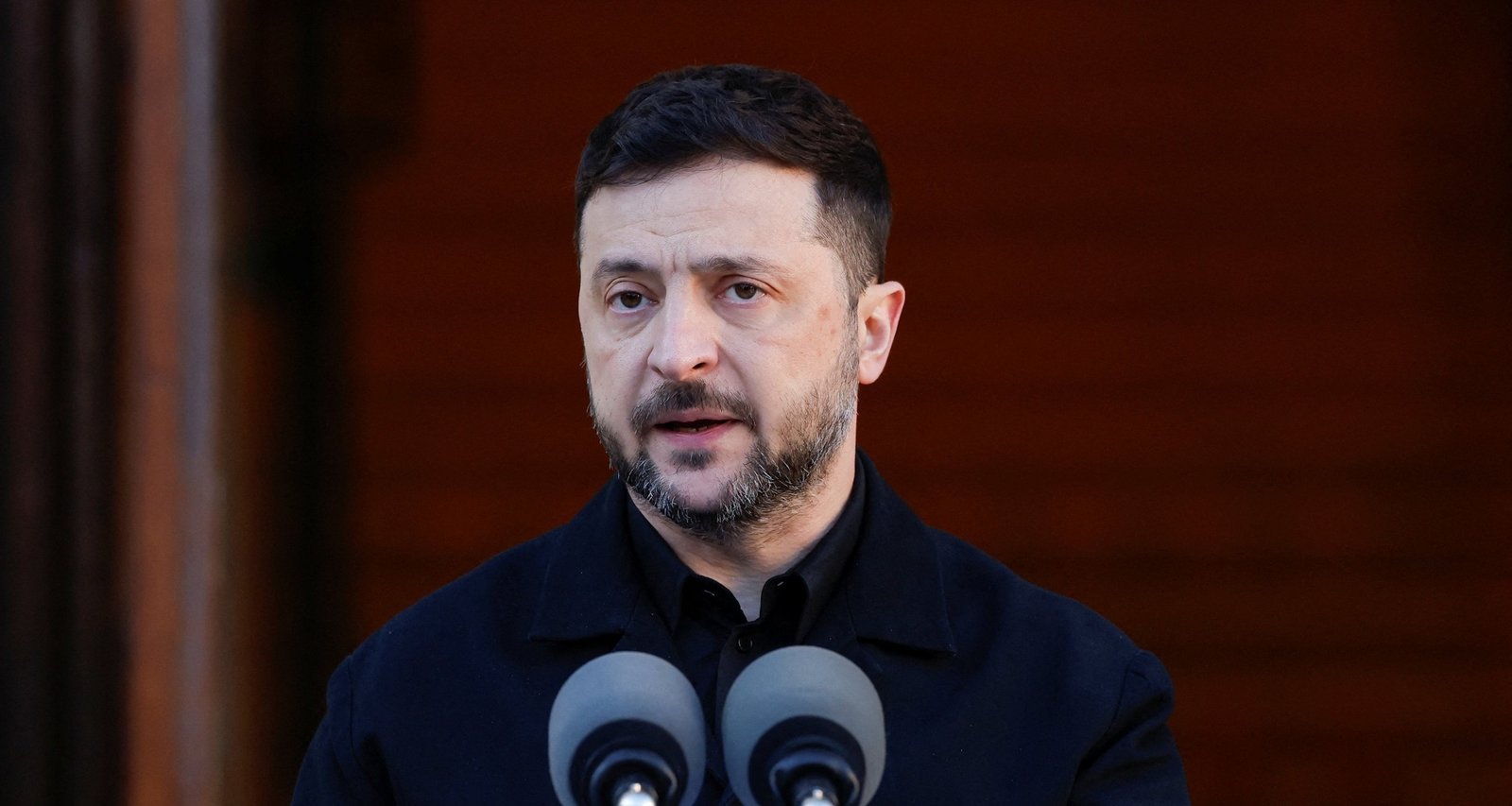
Imagem: Internet
Although no timetable for a final accord has been announced, Ukrainian officials intend to present the completed 20-point document to the United States “in the near future,” Zelenskyy said. Subsequent rounds of negotiations are expected to include Russian representatives, though Moscow has not publicly confirmed its participation in any upcoming meetings.
The current draft reportedly covers a cessation of hostilities, withdrawal of foreign troops, restoration of Ukraine’s internationally recognized borders, mechanisms for prisoner exchanges, and provisions for war-related reparations. Confidence-building measures, such as international monitoring and phased implementation, are also being evaluated, but Ukrainian and Western negotiators have not disclosed the precise language under consideration.
With winter setting in, both militaries continue to rely heavily on drone warfare, and power shortages remain a significant challenge for Ukrainian civilians. The government in Kyiv has implemented rolling blackouts to manage strain on the grid while emergency crews work to repair damaged substations. Military commanders have warned that additional Russian attacks on energy facilities could intensify as temperatures drop.
For now, Zelenskyy’s administration maintains that a durable settlement must be comprehensive and enforceable, insisting that partial cease-fires or limited truces are insufficient. Russian officials, for their part, continue to call for negotiations but have offered few public details about their own positions on territory, security or post-war reconstruction.
If the 20-point proposal gains approval from Washington and European capitals, Ukrainian diplomats plan to present the document to Russia through established diplomatic channels. Observers caution that even an agreed framework would require extensive verification and implementation procedures before hostilities could fully cease.
Crédito da imagem: Clodagh Kilcoyne/Reuters


