The latest U.S. initiative, drafted in coordination with Moscow, was delivered to Kyiv during a visit by a senior Pentagon delegation on Wednesday. U.S. Army Secretary Daniel P. Driscoll and Army Chief of Staff Gen. Randy George held meetings in the Ukrainian capital, becoming the most senior American officials to travel there since President Donald Trump entered the White House in January 2025. A U.S. official familiar with the trip said Driscoll and George spent an hour with Zelenskyy on Thursday outlining what Washington calls a “collaborative” plan to end hostilities.
Details of the proposal have sparked debate in Kyiv. A Ukrainian official briefed on its contents said the document includes several long-standing Kremlin demands that Kyiv has previously labeled unacceptable. Provisions reportedly require Ukraine to reduce the size of its armed forces by more than half, forfeit control of additional territory not currently occupied by Russian troops, and forgo the acquisition or deployment of long-range weapons systems. In addition, Moscow would keep virtually all areas seized since 2022 and receive some form of international acknowledgment of its 2014 annexation of Crimea.
Zelenskyy, speaking in a nightly video address on Friday, emphasized that Ukraine’s objective remains a peace “that will not be broken by a third invasion,” referencing Russia’s 2014 and 2022 offensives. Earlier in the week he traveled to Ankara for talks with Turkish President Recep Tayyip Erdoğan, signaling a desire to revive negotiations that stalled after several inconclusive rounds in Istanbul earlier this year. While Kyiv presses for renewed diplomacy, Russian forces continue offensive operations along the front and regularly strike Ukrainian cities, and Moscow has yet to accept a cease-fire.
European governments have indicated support for the new diplomatic push, though no joint statement has been released. Diplomats in Kyiv note that the upcoming discussions in Switzerland will mark the first test of whether the U.S. proposal can serve as a foundation for broader multilateral talks. If initial consultations yield progress, officials say additional meetings could involve representatives from the European Union and other partners.
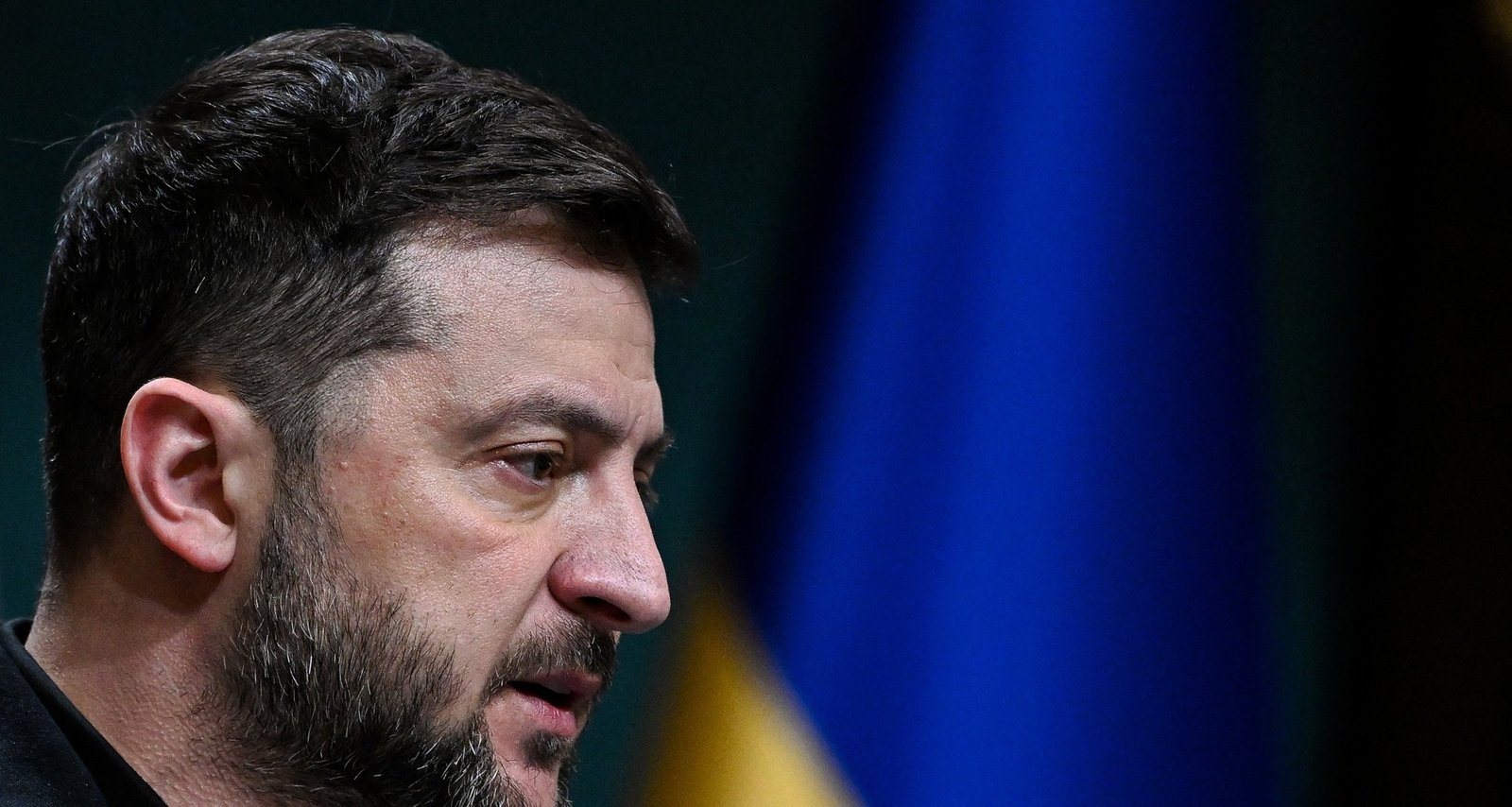
Imagem: Internet
The war, which began with Russia’s full-scale invasion in February 2022, has caused tens of thousands of casualties and displaced millions of civilians. The conflict has also had significant global repercussions, including disruptions to food and energy markets and heightened security concerns across Europe. The United Nations has repeatedly called for respect of Ukraine’s sovereignty and territorial integrity, urging all parties to pursue a peaceful resolution (UN News).
No timetable has been announced for the Swiss consultations beyond the statement that they will take place “in the coming days.” Officials in Kyiv stress that any agreement must address security guarantees to prevent future aggression and allow the country to rebuild shattered infrastructure. Observers are watching closely to see whether the 28-point outline evolves in response to Ukrainian concerns or remains largely aligned with Russian conditions.
For now, Zelenskyy’s administration is proceeding on two tracks: preparing its delegation for talks while continuing military and humanitarian efforts on the ground. Defense planners report that front-line positions remain under pressure, and air-raid alerts persist in multiple regions. The president’s office says these realities underline the urgency of securing a durable settlement that restores stability for Ukraine and its European neighbors.
Crédito da imagem: Ozan Kose/AFP via Getty Images


