
An emerging body of psychological research and lived experience suggests that an extreme insistence on handling every task alone—often called “ultra-independence”—may stem from earlier emotional injury rather than simple preference. Advocates for trauma-informed care say recognizing the pattern is the first step toward rebuilding safe, reciprocal relationships and improving mental health outcomes.
Coach and speaker Debra Mittler, who spent decades relying solely on herself, recently described how the behavior developed after repeated childhood reprimands for expressing needs. “A part of me believed asking for anything would trigger anger or abandonment,” she said during a public webinar. Her story mirrors accounts from clinicians who frequently observe similar coping strategies in clients with histories of neglect, criticism or volatile caregiving environments.
What Drives the Behavior
According to trauma specialists, children who learn that requests are met with ridicule, punishment or inconsistent caregiving often conclude that self-sufficiency is safer than vulnerability. Over time, that protective strategy can harden into a fixed identity. Researchers at the American Psychological Association note that self-isolation may reduce exposure to short-term harm but can elevate anxiety, depression and loneliness in adulthood.
Mittler’s experience supports the model. By age 15 she had developed anorexia, and over the next 23 years she cycled through hospitals and treatment programs while masking distress and refusing assistance. “I was physically exhausted because I believed everything had to be done by me, for me,” she recalled.
Similar narratives appear in clinical settings. Mental-health providers report that clients who identify as “hyper-independent” frequently:
- Dismiss offers of help for fear of indebtedness;
- Equate asking for support with weakness or codependency;
- Employ rigid personal boundaries to avoid potential criticism;
- Struggle to trust even well-intentioned friends, relatives or partners.
The Cost of Constant Self-Reliance
While autonomy is broadly valued in many cultures, experts caution that its extreme form can impair emotional and physical health. Ongoing hyper-vigilance taxes the nervous system, leading to chronic stress symptoms such as insomnia, digestive issues and heightened cortisol levels. Social isolation, meanwhile, deprives individuals of the buffering effect strong relationships provide against anxiety and depressive disorders.
For Mittler, the toll became evident in adulthood. At 20 she entered a relationship in which material gifts were offered but later used for control. The experience reinforced her distrust and prompted a personal vow “never to receive anything from anyone again.” She says that decision deepened her sense of alienation until her early 40s, when she began trauma-focused therapy and self-compassion practices.
Pathways Toward Change
Clinicians emphasize that loosening ultra-independence does not mean abandoning self-sufficiency; instead, the goal is balanced interdependence. Key steps include:
1. Identify underlying beliefs. Individuals are encouraged to explore questions such as “Why is it unsafe for me to receive help?” Writing, meditation or guided therapy can surface memories that shaped current defenses.
2. Validate protective parts. Rather than condemning self-reliant impulses, therapists ask clients to acknowledge the strategy’s original purpose—shielding the person from harm—before gently introducing new options.
3. Practice graduated vulnerability. Small, low-risk requests—such as asking a friend to listen without giving advice—help retrain the nervous system to associate interdependence with safety rather than danger.
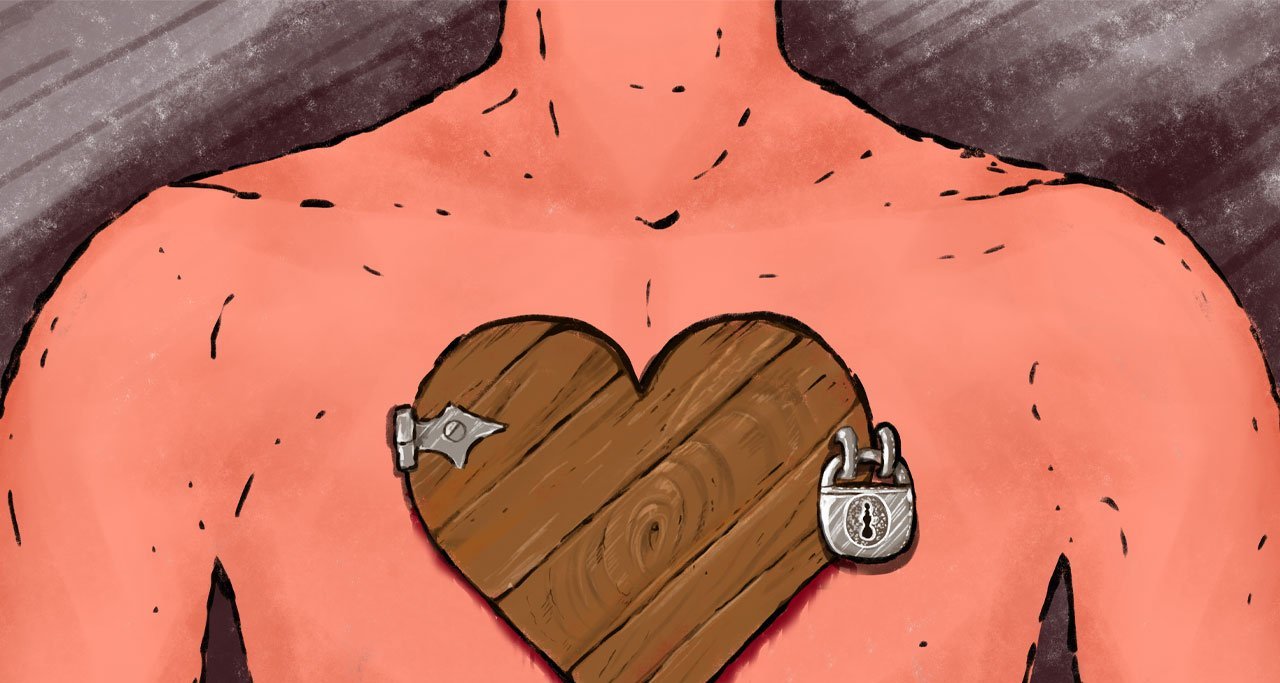
Imagem: Internet
4. Establish clear boundaries. Learning to state needs and limits explicitly can dispel fears of being dominated or losing personal identity within relationships.
5. Combine self-care with community care. Balanced mental health involves meeting some needs independently while also accepting assistance. Professionals stress that neither extreme isolation nor total dependence is sustainable.
Affirmations and Mindset Shifts
For those who find verbal requests overwhelming, Mittler recommends beginning with internal language adjustments. Phrases such as “I am worthy of support” or “It is safe for me to be seen” can counteract entrenched narratives of unworthiness. She suggests starting with statements like “I like the idea of being supported” if stronger affirmations feel dishonest at first.
Potential Obstacles
Change often triggers resistance. Mittler reports that her earliest attempts to articulate needs drew mixed reactions; some acquaintances grew impatient, while others welcomed the clarity. Mental-health experts say these varied responses can themselves be instructive, revealing which relationships are able to accommodate healthier dynamics.
When Professional Help Is Advisable
Persistent anxiety, self-harm, eating disorders or severe depression warrant evaluation by licensed professionals. Trauma-informed therapists can guide clients through somatic techniques, cognitive restructuring and boundary work, tailoring interventions to individual histories. Group therapy or support circles may also provide controlled environments for practicing mutual aid.
Looking Forward
Mittler credits a combination of self-inquiry, supportive friendships and professional guidance with softening her long-standing defenses. Although she still values independence, she now views collaboration as equally important. “We are social beings. Healing in safe relationships was something I never thought possible, yet it has become a reality,” she concluded in a recent interview.
Experts agree that restoring balance between autonomy and connection is both achievable and beneficial. By acknowledging the protective roots of ultra-independence and gradually inviting trustworthy support, individuals may reduce stress, improve emotional regulation and cultivate richer, more reliable bonds.
While not every offer of help will meet expectations, mental-health practitioners emphasize that numerous people and resources remain available. Recognizing that “doing it all alone” is a learned response rather than a fixed trait can open the door to healthier, more satisfying ways of living and relating.