Israeli Prime Minister Benjamin Netanyahu issued a statement on Tuesday congratulating Trump and describing the plan as a pathway to “peace and prosperity” because it mandates “full demobilization, disarmament and a process to deradicalize Gaza.” Netanyahu said Israel expects rapid repatriation of the three remaining Israeli hostage bodies still believed to be in the strip and pledged to work “without delay” with partners implementing the agreement.
While echoing U.S. talking points on security, the statement made no reference to the resolution’s language envisioning eventual Palestinian statehood—an idea Netanyahu and senior Israeli officials have repeatedly vowed to block. The prime minister instead urged neighboring states to normalize relations with Israel and join efforts to “remove Hamas and its supporters from the region.”
Hamas, which has administered Gaza since 2007, dismissed the resolution, arguing that the proposed international security mechanism would “impose a mechanism to achieve the occupation’s objectives” and detach the coastal territory from “the rest of the Palestinian geography.” The group said it would not surrender its weapons absent a political process that guarantees an independent Palestinian state.
In the West Bank, the Palestinian Foreign Ministry welcomed the Security Council decision and said the Palestinian Authority (PA) is ready to “assume its full responsibilities” in Gaza, provided the plan leads to a permanent cease-fire, unhindered humanitarian access and a timeline for a two-state solution. The ministry also acknowledged that the PA must undertake reforms outlined in the resolution before any future administrative role in the enclave is considered.
The cease-fire that took effect earlier this month has largely held. Israeli forces have pulled back to the so-called “yellow line” inside Gaza, although isolated exchanges of fire continue. Outside the strip, the Israel Defense Forces (IDF) carried out strikes against what it described as Hezbollah positions in southern Lebanon and conducted raids in parts of the occupied West Bank.
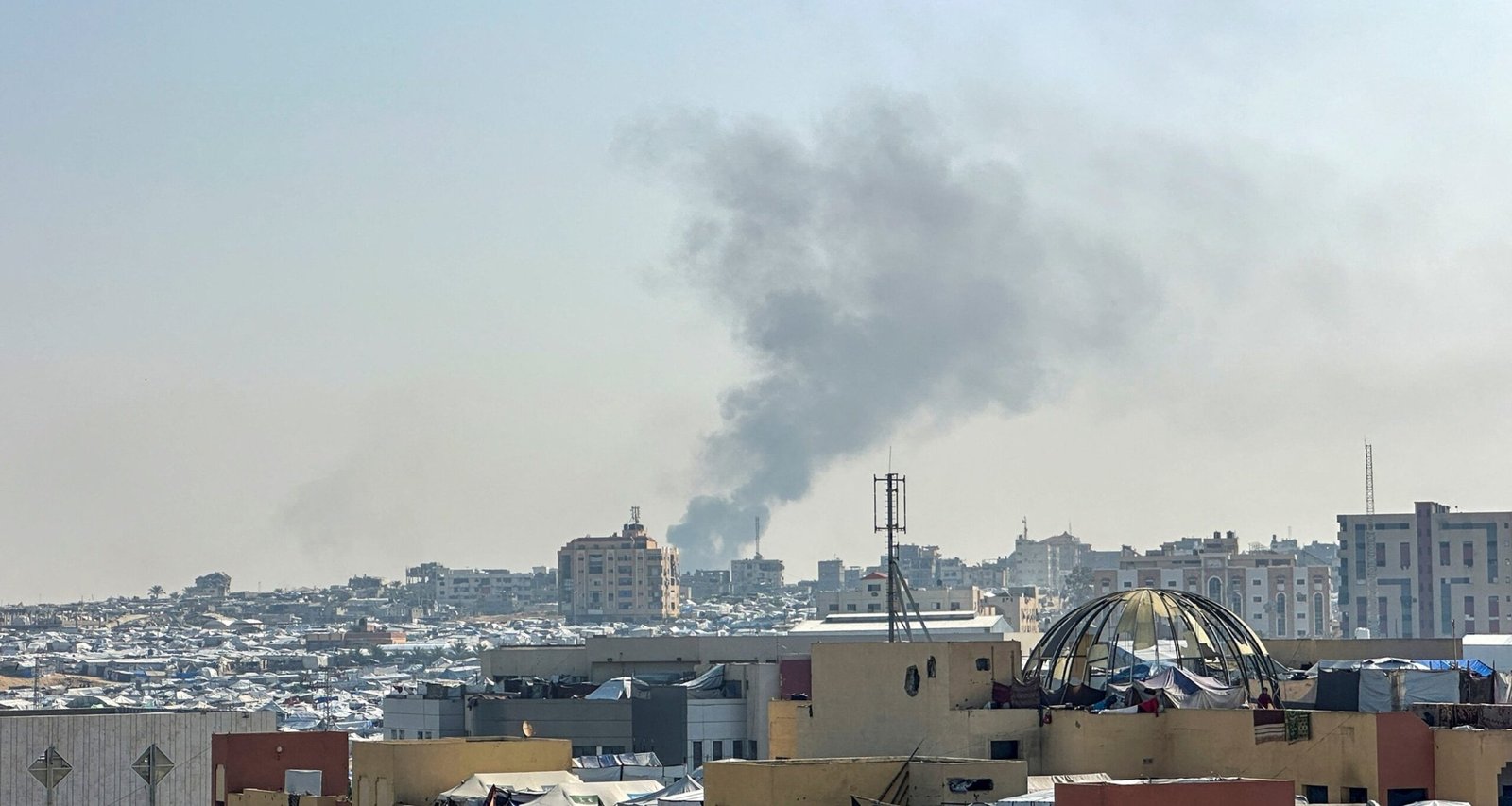
Imagem: Internet
Under the agreement confirmed Monday, the multinational stabilization force will deploy once an official end-of-hostilities declaration is signed. U.S. diplomats told council members the initial mandate focuses on securing border crossings, overseeing weapons collection and coordinating humanitarian corridors. Longer-term tasks will be set by the Board of Peace, which will report to the Security Council every 60 days.
Key logistical questions—including troop contributors, command structure and rules of engagement—remain unresolved. American officials indicated that Washington is in advanced talks with several NATO partners and Arab states about contributions of personnel, funding and equipment. The resolution also requests the United Nations Security Council to review the force’s mandate after 18 months.
Humanitarian agencies say Gaza’s immediate needs are severe. The United Nations reports that more than 70 percent of the enclave’s population is displaced, critical infrastructure is damaged and medical facilities lack essential supplies. The resolution instructs the stabilization force to “ensure the unimpeded delivery of humanitarian assistance” and prioritize repair of water, electricity and health systems.
Regional reaction remains mixed. Egypt and Jordan backed the initiative, framing it as a step toward reviving stalled peace talks, while Turkey expressed concern that the disarmament clause could deepen Palestinian divisions. European Union officials welcomed the vote but emphasized the necessity of a “credible political horizon” leading to two states.
At the U.N. headquarters, diplomats acknowledged the plan’s success will hinge on cooperation from parties that either oppose or maintain reservations about key elements, particularly Hamas’s refusal to disarm and Israel’s resistance to statehood provisions. Implementation efforts are expected to accelerate once the Board of Peace members are named and the force’s composition is finalized.
Crédito da imagem: Haseeb Alwazeer/Reuters


