Concerns from the public-health community
Infectious-disease specialists and global-health organizations expressed apprehension about the move. Ronald Nahass, president of the Infectious Diseases Society of America, warned that forfeiting full participation in the WHO reduces U.S. access to real-time disease surveillance and complicates efforts to align domestic vaccine production with circulating influenza strains. He said the change could also weaken American capacity to monitor emerging threats such as Ebola.
Other experts have voiced similar worries, emphasizing that pathogens cross borders irrespective of political boundaries and that coordination through a multilateral forum is essential for rapid data sharing, standard-setting and resource deployment.
Operational implications for the United States
HHS maintains that the country will remain engaged in international health despite leaving the WHO. The department reports more than 2,000 personnel stationed in 63 nations and bilateral agreements with hundreds of governments. According to the senior official, plans are under way to collaborate with alternative multinational networks and nongovernmental partners on outbreak surveillance, laboratory diagnostics and emergency response.
The first practical impact of the withdrawal could surface next month, when the WHO convenes its annual meeting to select influenza strains for the following season’s vaccines. U.S. scientists have traditionally played a prominent role by contributing laboratory data and analytic expertise. HHS has not clarified whether American representatives will attend as observers or abstain entirely.
Procedural milestones
The United Nations requires one year’s notice before a member state can exit the WHO. The Trump administration delivered that notification on 22 January 2025 via the executive order that initiated the process. With the 12-month period elapsed, the United States ceases to receive voting privileges, leadership opportunities and technical support from the agency.
The WHO Secretariat has placed the matter on the agenda of its Executive Board meeting scheduled for early February. Member states are expected to review the financial and administrative consequences of the U.S. departure at that session. Additional information on withdrawal procedures can be found in the WHO Constitution hosted on the United Nations website.
Financial considerations
Historically, the United States contributed between 15 % and 20 % of the WHO’s biennial budget, combining assessed dues with voluntary funds earmarked for specific programs such as polio eradication, immunization support and emergency response. The arrears exceeding $270 million now fall into uncertainty. If unpaid, the shortfall could affect WHO activities ranging from maternal-health projects to pandemic-preparedness initiatives.
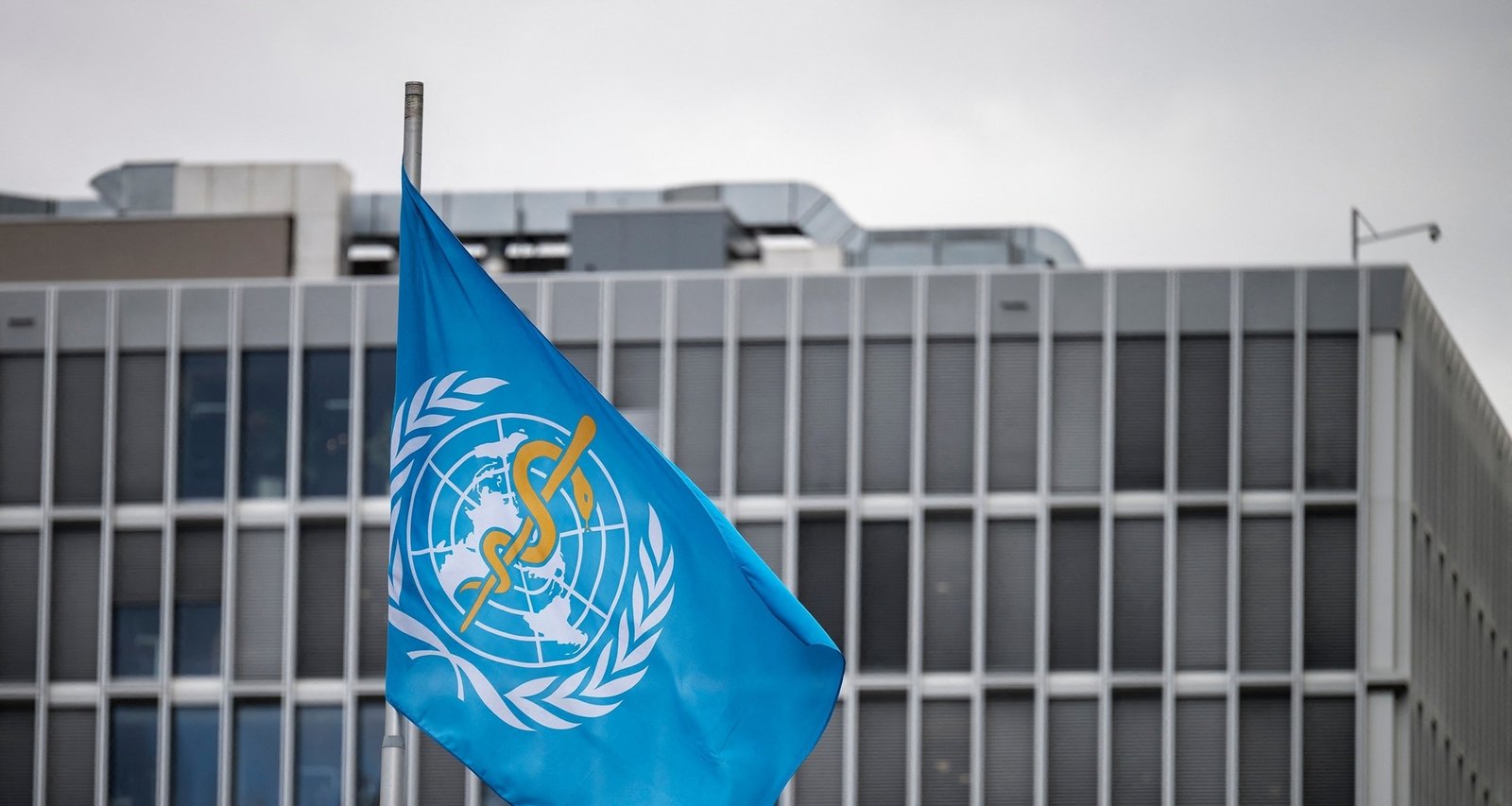
Imagem: Internet
Chinese assessed contributions currently represent approximately 12 % of the regular budget. Administration officials contend that larger economies should bear a proportionate share of costs, pointing to what they describe as an imbalanced funding model. Critics argue that withholding U.S. payments removes leverage for reform and potentially widens the gap the administration seeks to narrow.
Potential paths forward
At present, there are no administration plans to reapply for membership or pursue observer status. Rejoining would require a formal request, settlement of outstanding dues and approval by a majority of current WHO members. The timeline for completing those steps can vary depending on diplomatic negotiations and governance cycles.
While the executive branch directs foreign policy, any future decision to return could involve congressional appropriation of funds. Some legislators have already signaled interest in drafting measures that would mandate continued U.S. engagement with the WHO, citing the benefits of shared scientific resources and coordinated emergency response.
Broader international context
The exit takes effect amid continuing global efforts to strengthen health security following the COVID-19 pandemic. Over the last several years, the WHO has revised its International Health Regulations and launched a pandemic treaty negotiation process aimed at harmonizing surveillance, reporting and equitable access to countermeasures. Without full participation, U.S. influence over these initiatives will be limited.
Even so, American agencies such as the Centers for Disease Control and Prevention, the National Institutes of Health and the U.S. Agency for International Development maintain independent programs and partnerships. Officials say those channels will continue to support vaccination campaigns, laboratory capacity building and emergency deployments, albeit outside the WHO framework.
The coming weeks are expected to clarify how the United States will interface with major global-health gatherings, including the World Health Assembly in May and the G20 health ministers’ meeting later in the year. Observers will be watching whether Washington seeks alternative alliances or adopts a case-by-case approach to multilateral cooperation.
Crédito da imagem: Fabrice Coffrini/AFP via Getty Images


