Prior Months Revised Lower
The BLS also issued revisions that trimmed recent employment estimates. November’s payroll figure was reduced by 8,000, while October’s loss was widened substantially to 173,000 from the previously reported decline of 105,000. For the full year, employers added an average of 49,000 jobs per month, compared with 168,000 in 2024. Total payroll growth for 2025 reached 584,000—the weakest annual increase outside a recession since 2003.
Sectors Show Uneven Performance
Hiring patterns remained uneven across industries in December. Leisure and hospitality led gains, with restaurants and bars adding 27,000 positions. Health care expanded payrolls by 21,000, and social assistance contributed 17,000. Retail trade, however, shed 25,000 jobs, erasing some holiday-season hires, while government offices recorded a marginal increase of 2,000 positions.
Wages and Hours
Average hourly earnings grew 0.3% on the month, matching economists’ projections. On a year-over-year basis, wages rose 3.8%, exceeding expectations by 0.2 percentage point. The average workweek ticked down to 34.2 hours, suggesting employers may be cautious about expanding labor hours amid uncertain demand.
Economic Context
Federal Reserve officials continue to monitor labor data for guidance on interest-rate policy following three rate cuts during the latter part of 2025. Futures markets currently anticipate no additional easing until June, though sentiment could shift as new information emerges.
Broad economic indicators remain robust despite sluggish hiring. The Atlanta Fed’s GDPNow model, a real-time estimator of gross domestic product, projects fourth-quarter growth at an annualized 5.4%, up from a 4.3% pace in the third quarter. Consumer spending also showed resilience: Adobe Analytics estimates that online holiday sales grew 6.8% from the previous year to a record $257.8 billion. These data points suggest solid demand even as employers scale back recruitment.
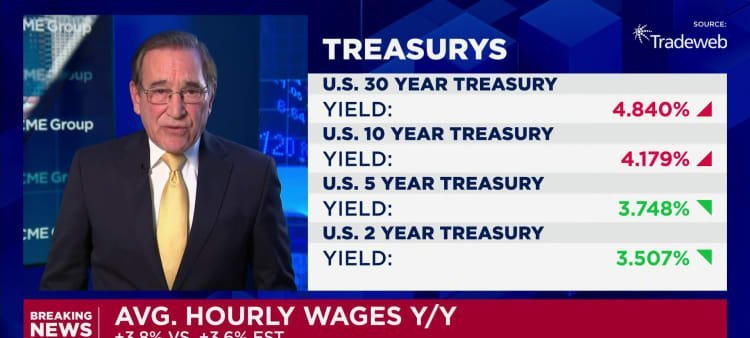
Imagem: Internet
Administrative Changes and Data Disruptions
The December release marked the first on-schedule jobs report in three months. Earlier publications were delayed by a 43-day government shutdown that halted data collection. The shutdown compounded challenges for the BLS, which experienced leadership turnover in August when President Donald Trump dismissed former Commissioner Erika McEntarfer and appointed William J. Wiatrowski to the post.
Strategic Outlook
Although the headline figures point to subdued job creation, analysts caution against drawing firm conclusions until data flow normalizes. Payroll trends over the past year reflect what some economists label a “hiring recession,” where overall economic output expands without corresponding increases in employment. That scenario has benefited corporate earnings and buoyed equity markets but has left some communities concerned about limited job opportunities.
Market participants and policymakers will scrutinize upcoming releases—including the January employment report—for confirmation of whether December’s modest hiring represents a temporary pause or the continuation of a longer-term slowdown. Additional clarity may emerge from complementary indicators such as initial jobless claims, consumer confidence, and private-sector surveys.
For detailed statistical tables and methodological notes, readers can consult the official BLS employment situation report.
Crédito da imagem: Bureau of Labor Statistics


