Market Reaction and Broader Economic Context
Equity markets were volatile ahead of the report amid concerns that an overheated artificial-intelligence sector could sour broader investor sentiment. A string of recent sessions saw share prices retreat, but robust quarterly results from chip producer Nvidia late Wednesday tempered some of the selling pressure by underscoring ongoing demand for AI-related hardware.
Meanwhile, a series of high-profile workforce reductions at companies such as Amazon, UPS and Verizon has drawn attention to pockets of weakness. Economists note that these layoffs, while notable, are largely concentrated in industries undergoing restructuring or automation and do not yet point to a widespread retrenchment.
Nonetheless, the combination of slower hiring during the summer and an uptick in consumer prices has revived discussion of a potential stagflation scenario, characterized by the coexistence of elevated inflation and sluggish growth. Headline inflation accelerated in recent months, complicating policy choices for officials tasked with balancing price stability against employment goals.
Federal Reserve’s Policy Calculus
Federal Reserve Chair Jerome Powell, speaking after the Federal Open Market Committee meeting on October 29 in Washington, said risks are moving “to the upside for inflation and to the downside for employment,” a dynamic that leaves the central bank with limited room to maneuver. The Fed trimmed its benchmark rate by 0.25 percentage point at each of its last two gatherings, seeking to cushion labor-market softening without reigniting price pressures.
Powell cautioned that another rate cut at the December meeting is “far from a foregone conclusion.” Interest-rate futures tracked by the CME FedWatch Tool currently assign a roughly 66% probability to the policy rate remaining unchanged in December and a 33% probability to an additional quarter-point cut. Those odds reflect uncertainty over whether the latest hiring rebound marks the start of sustained momentum or a brief reprieve.
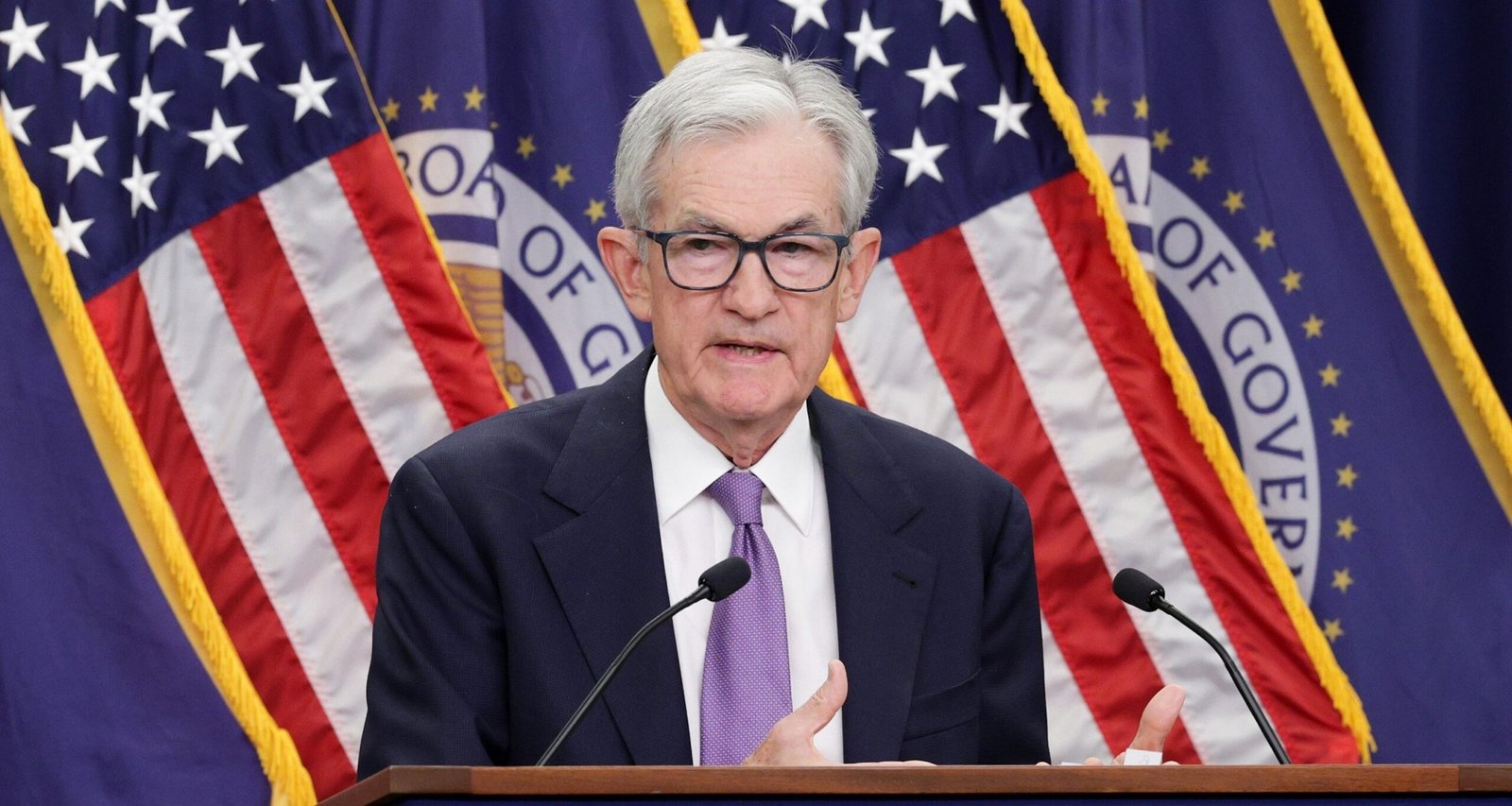
Imagem: Internet
Data Disruptions and Upcoming Releases
The BLS said the partial federal shutdown reduced its capacity to compile the October jobs report. As a result, a complete set of October labor statistics will not be issued separately; instead, those figures will be incorporated into the November release next month. The agency emphasized that standard methodologies and seasonal adjustments will be applied to ensure continuity in the historical series.
Sector Details and Wage Trends
The September gains were distributed across several industries. Health care and social assistance added positions at a steady clip, while leisure and hospitality posted a moderate increase as summer tourism tapered. Professional and business services saw limited growth, constrained by cost-cutting initiatives at technology firms. Manufacturing employment was little changed, reflecting ongoing supply-chain adjustments and cautious capital spending.
Average hourly earnings, a closely watched measure of wage inflation, rose modestly and remain above the pre-pandemic trend but below the peaks recorded in 2024. Economists view the current pace of wage growth as consistent with the Fed’s long-run inflation target, though any acceleration could revive concerns about a wage-price spiral.
Outlook
Whether September’s stronger-than-anticipated hiring can be sustained hinges on several variables: the trajectory of consumer demand, corporate investment in emerging technologies, and the Fed’s forthcoming policy decisions. Upcoming inflation readings and the integrated October-November labor report will provide additional insight into the durability of the expansion as the economy approaches year-end.
Crédito da imagem: Alex Wong/Getty Images


