The tanker, previously known as Texas Star and photographed in Tranmere, United Kingdom, in April 2019, had reportedly sailed through Venezuelan territorial waters before entering the quarantine zone. Under the quarantine proclamation, vessels designated as part of a so-called “ghost fleet” face immediate detention if they transit the Caribbean without prior clearance from U.S. authorities.
Series of escalations with Venezuela
The latest seizure follows a pattern of stepped-up maritime enforcement aimed at cutting off oil revenues to the government of President Nicolás Maduro. Since late December, U.S. forces have boarded six tankers suspected of transporting Venezuelan crude or facilitating sanctions evasion.
Tensions have intensified since U.S. special operations forces captured Maduro and his wife less than two weeks ago on federal narcoterrorism and cocaine importation conspiracy charges. Both defendants have entered not-guilty pleas in U.S. federal court. Their apprehension prompted public protests in Caracas and a diplomatic protest note delivered through Swiss intermediaries.
Washington maintains that the maritime campaign is designed to enforce existing sanctions and prevent what it describes as illicit financing of narcotics networks. Caracas has called the seizures “acts of piracy” and vowed to seek redress through international bodies.
Quarantine order remains in force
President Trump’s quarantine directive, issued in November 2025, allows U.S. forces to interdict any vessel that has docked in sanctioned Venezuelan ports within the previous 180 days. The order also permits the transfer of detained ships to U.S. custody pending forfeiture proceedings.
Under the directive, the Coast Guard, Navy and Customs and Border Protection share enforcement responsibilities. Assets deployed include maritime patrol aircraft, cutters and carrier strike group elements. A DHS official said additional vessels are being monitored for potential boarding.
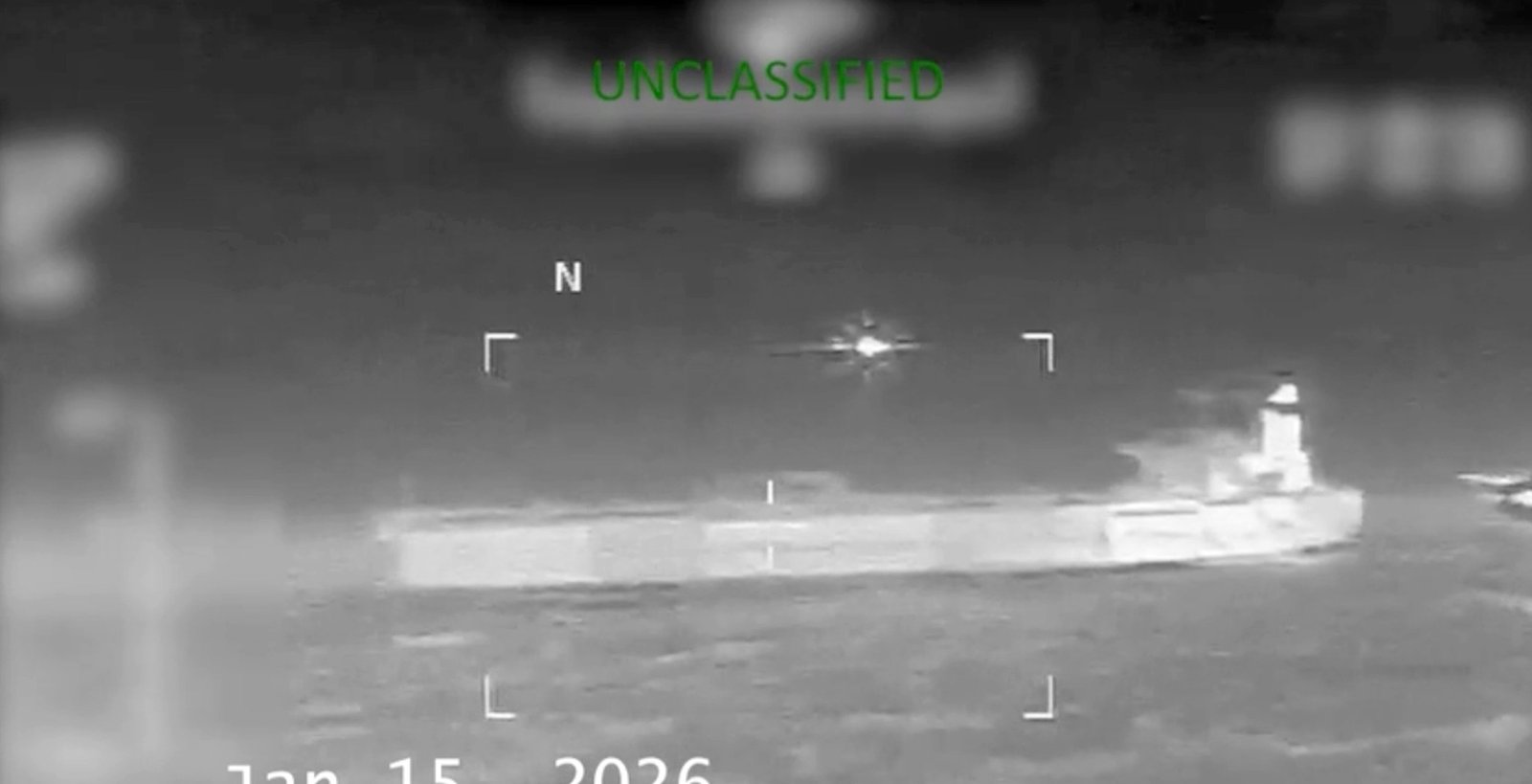
Imagem: Internet
Legal and logistical process
After seizure, the Veronica will undergo a detailed inspection to confirm cargo origin, compliance with environmental regulations and potential safety violations. Crew members are expected to be interviewed by Immigration and Customs Enforcement agents and provided consular access. No charges have been announced against the seafarers.
The Department of Justice will ultimately determine whether to seek civil forfeiture of the vessel or file criminal charges against the owners. Similar actions have resulted in multimillion-dollar settlements, with proceeds directed to the U.S. Victims of State-Sponsored Terrorism Fund.
Data from maritime tracking services show that the Veronica disabled its automatic identification system signal shortly after leaving Venezuelan waters last week. The practice, commonly known as “going dark,” is frequently associated with sanctions evasion, according to the U.S. Coast Guard.
Previous interdictions
Among the five tankers detained earlier were the Russian-flagged Ladoga in the North Atlantic and the Panamanian-registered Silver Wave near the Windward Passage. All remain impounded while U.S. courts review forfeiture petitions.
U.S. Southern Command has not disclosed the specific intelligence that prompted Thursday’s operation but indicated that satellite imagery, financial data and open-source information contribute to vessel targeting decisions.
With the Veronica now in U.S. custody, DHS officials say the maritime quarantine will continue indefinitely. Additional boardings could occur “at any time” if flagged anomalies or sanctions violations are detected, the department said.
Crédito da imagem: U.S. Southern Command


