November’s figures arrived less than a week after the Federal Reserve enacted its third interest-rate cut of 2025, trimming the benchmark federal funds rate by a quarter percentage point to a target range of 3.5%–3.75%. The central bank has been lowering borrowing costs in an effort to stimulate hiring and offset cooler economic activity. Even after the recent reductions, rates remain well above the near-zero level adopted at the onset of the COVID-19 pandemic and below the recent peak reached in 2023.
Speaking at a press conference in Washington, D.C., the day after the rate decision, Fed Chair Jerome Powell emphasized that policymakers intend to monitor incoming data carefully before committing to additional easing. “We’re well-positioned to wait and see how the economy evolves,” Powell said, highlighting the challenge of balancing the central bank’s dual mandate of maximum employment and price stability. He cautioned that “there’s no risk-free path” as officials navigate tension between the two objectives.
The Fed’s strategy reflects concern that slower job creation could eventually weigh on consumer spending, a key driver of U.S. growth. At the same time, inflation remains elevated relative to the central bank’s 2% target, limiting the scope for aggressive monetary stimulus. Interest-rate adjustments are the primary policy lever available to the Fed, and officials must weigh the risk that further reductions could reignite price pressures.
In addition to revealing hiring trends, the November report provides context for policymakers and investors evaluating the health of the broader economy. The ongoing hiring slowdown follows a period of stronger gains earlier in the year. A variety of sectors, including manufacturing and retail, have reported restrained demand, while surveys of small businesses point to cautious staffing plans.
The labor market’s deceleration has also drawn attention from lawmakers, who are tracking employment data alongside consumer-price readings as they consider fiscal policies for 2026. Several congressional committees have scheduled hearings early next year to examine workforce dynamics, skills shortages and productivity trends.
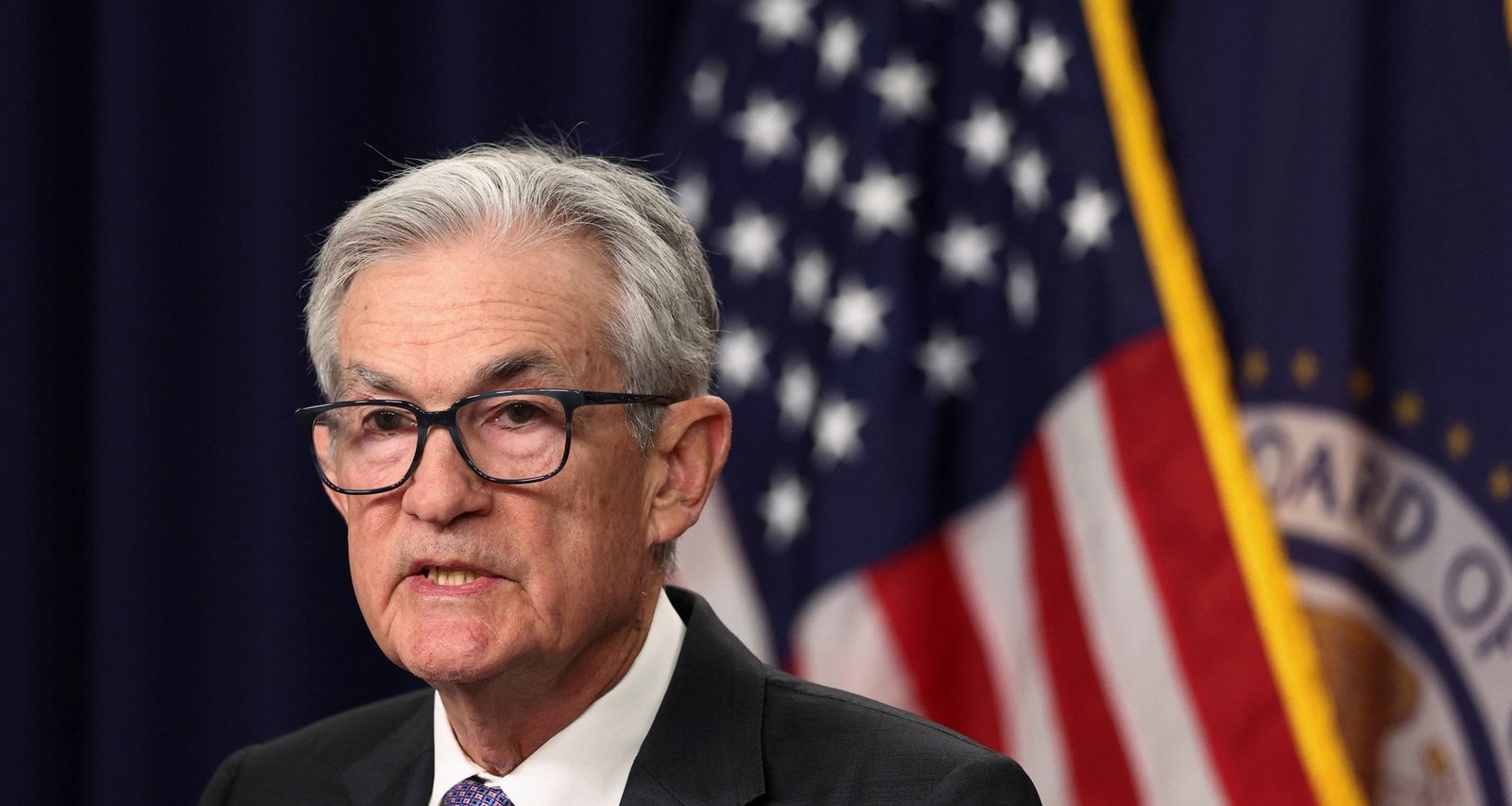
Imagem: Internet
While November’s job gain was modest, it exceeded some forecasts that had anticipated little or no growth. Analysts noted that revisions to prior months could significantly alter the trajectory once more data become available. Establishment survey results are typically revised twice in subsequent months, and the upcoming annual benchmark revision, slated for early 2026, could further adjust employment totals.
Within the report, industry-level details pointed to mixed conditions. Service-providing sectors added a net total of jobs, led by health care and professional services, while goods-producing industries showed limited growth. Government payrolls were little changed.
Average hourly earnings, a closely watched measure of wage pressure, rose modestly on a year-over-year basis, though the pace remained below levels seen earlier in the recovery. Slower wage growth, combined with easing price increases, may help relieve inflation concerns at the Fed but could dampen household purchasing power if hiring remains weak.
For workers and employers, the direction of monetary policy remains critical. Additional rate cuts could lower borrowing costs for businesses and households, potentially lifting demand for labor. Conversely, a pause or reversal in Fed policy might leave the labor market to adjust without further support.
More detailed historical data on employment and unemployment trends are available directly from the Bureau of Labor Statistics (www.bls.gov), which maintains monthly releases and analytical tables.
Crédito da imagem: Kevin Lamarque/Reuters


