Outside the grocery aisle, the data offered little additional insight into individual sectors. The BLS noted that more detailed breakdowns for October remain incomplete and will be updated once outstanding information is validated.
Labor market shows signs of cooling
The inflation release follows two other high-profile economic indicators published earlier in the week. The economy added 64,000 jobs in November, a sharp slowdown from the 119,000 positions created in September. According to the BLS employment report, the unemployment rate inched up to 4.6% from 4.4%, reaching its highest level since 2021 yet still low by historical standards.
Consumer activity also appeared to lose momentum. U.S. Census Bureau figures showed retail sales were unchanged in October from September, an unexpected stall as the holiday shopping season began. Because household spending accounts for roughly two-thirds of gross domestic product, flat sales have raised concerns about future economic growth.
Federal Reserve trims rates again
Against this backdrop, the Federal Reserve reduced its benchmark interest rate by a quarter percentage point last week, setting the target range at 3.50% to 3.75%. The move represented the central bank’s third cut of 2025 and aimed to support hiring without allowing inflation to reaccelerate.
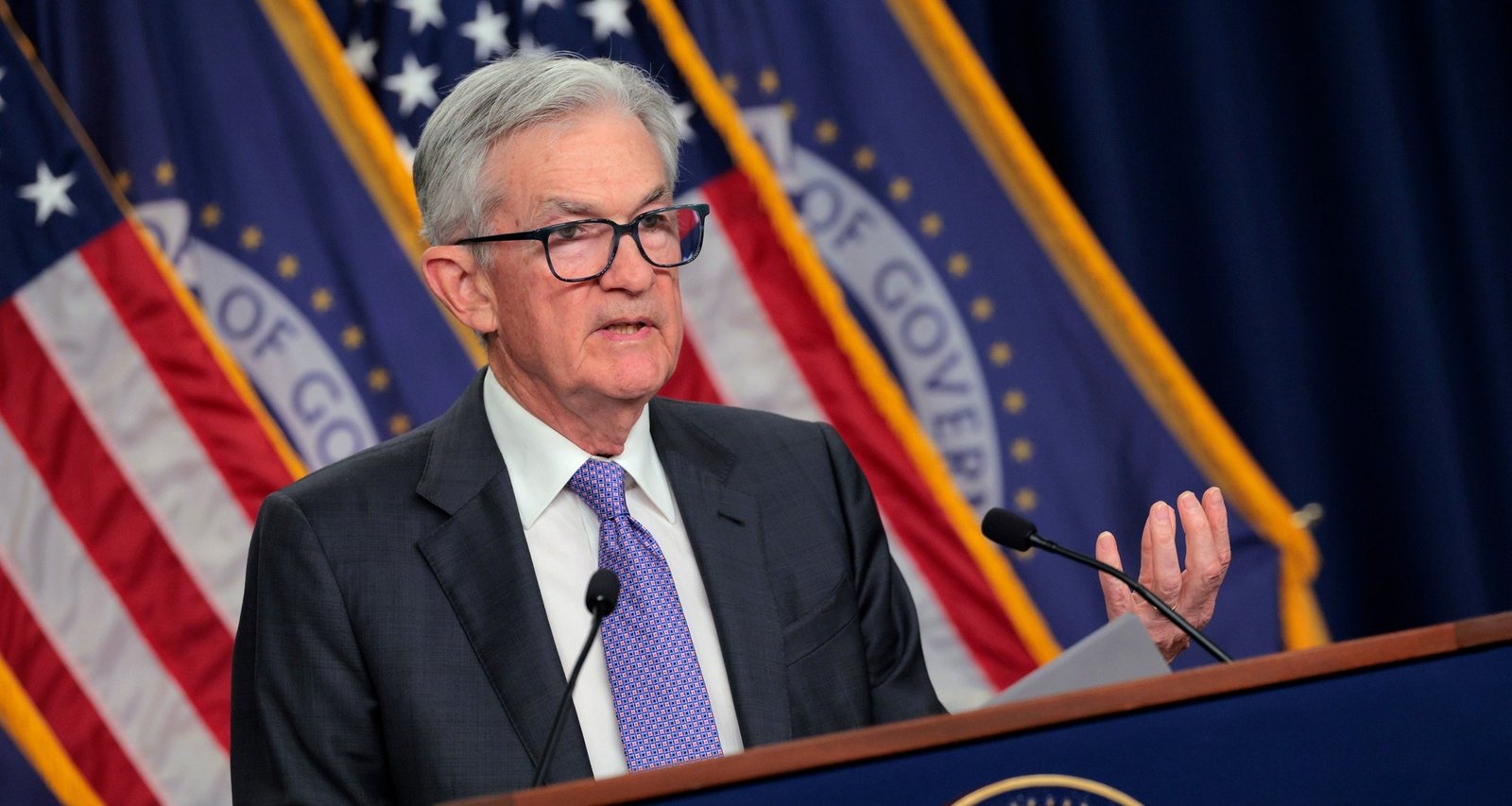
Imagem: Internet
Interest rates have fallen considerably from their 2023 peak but remain well above the near-zero level put in place at the outset of the COVID-19 pandemic. Chair Jerome Powell acknowledged that guiding policy amid simultaneous pressures on prices and employment poses a “challenging situation” for the central bank.
The Federal Open Market Committee will gather again next month. Market data tracked by the CME FedWatch Tool place the probability of rates remaining unchanged at about 75%, with a 25% chance assigned to another quarter-point reduction.
Looking ahead
November’s pullback in inflation offers tentative relief to consumers and policymakers, yet the uneven performance across goods and the slowing labor market complicate the outlook. Economists will watch December data closely to assess whether price growth continues to decelerate and whether hiring regains strength.
Full details on consumer prices are available through the Bureau of Labor Statistics, which will publish its next monthly update in early January.
Crédito da imagem: Chip Somodevilla/Getty Images


