Separate analysis of electronic health records by Epic Research highlights regional hot spots. Alabama, Nebraska, Oklahoma, Texas and Wyoming are among the states posting the heaviest caseloads this season. Emergency department visits linked to suspected norovirus have trended upward since July, according to the firm’s findings.
Highly contagious viral gastroenteritis
Norovirus is the most common cause of viral gastroenteritis in the United States. The organism, transmitted primarily through the fecal-oral route, inflames the lining of the stomach and intestines, resulting in a brief but intense gastrointestinal illness. Symptoms usually develop 12 to 48 hours after exposure and can include nausea, vomiting, abdominal pain and diarrhea. Some patients also experience fever, headache or body aches.
Most healthy adults recover within one to three days, yet the virus spreads easily in settings where people share food, bathrooms or close quarters. Cruise ships, long-term care facilities, schools and daycare centers frequently report outbreaks.
Leading source of foodborne illness
The CDC attributes 58% of all U.S. foodborne illnesses to norovirus and estimates the pathogen is responsible for about 2,5000 outbreaks every year. Contamination can occur when infected food handlers touch ready-to-eat items, when produce is irrigated with tainted water, or when shellfish are harvested from polluted waters.
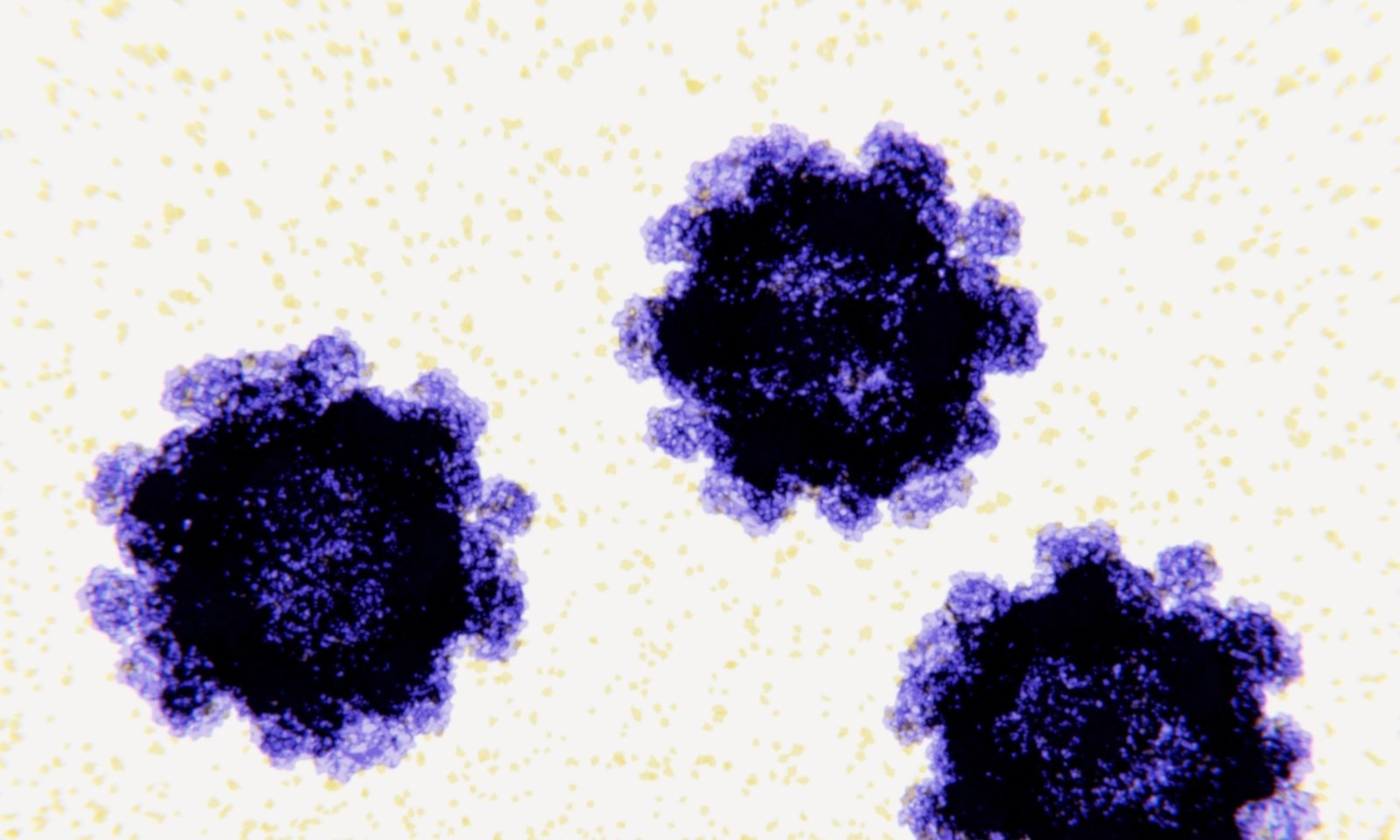
Imagem: Internet
Because norovirus is non-enveloped and relatively resistant to many disinfectants, alcohol-based hand sanitizers do not reliably inactivate the virus. The CDC advises thorough hand-washing with warm water and soap for at least 20 seconds after using the restroom, changing diapers, before eating, and while preparing or handling food. Surfaces potentially exposed to vomit or stool should be cleaned with bleach-based solutions.
Implications for the coming months
Public health officials monitor test positivity to gauge the likelihood of broader community spread. Although norovirus activity typically peaks during the cooler months, the current rebound beginning in late summer suggests an early and potentially prolonged season. People who become ill are encouraged to stay home until 48 hours after symptoms resolve to reduce transmission.
Foods linked to prior outbreaks include leafy greens, fresh fruit and raw or undercooked shellfish. The U.S. Food and Drug Administration offers industry guidance for preventing contamination, while the CDC provides consumer-focused recommendations on food safety and hand hygiene. Additional information about norovirus signs, transmission and prevention is available on the CDC’s official resource page (CDC Norovirus).
Crédito da imagem: Getty Images


