FBI Director Kash Patel, also writing on X, confirmed the existence of a search warrant and framed the mission as part of ongoing enforcement of U.S. sanctions against both Caracas and Tehran. Patel did not provide additional operational specifics.
Two people familiar with the matter said the seized vessel is classified as a VLCC, a category of tanker capable of carrying about two million barrels of crude. The sources told ABC News that the ship was bound for Cuba at the time of the interdiction. They added that the U.S. Coast Guard led the physical seizure, with air support from military helicopters visible in the publicly released footage.
The United States has imposed sanctions on Venezuela’s state-run oil sector since 2019 in an effort to pressure President Nicolás Maduro’s government. Those restrictions limit Venezuela’s ability to sell crude on global markets and prohibit most U.S. entities from engaging in transactions involving the country’s petroleum. Until Wednesday, Washington had refrained from intercepting Venezuelan shipments at sea, relying instead on financial sanctions and diplomatic isolation to restrict revenue flows to Caracas.
Sanctions against Iran’s oil industry, re-imposed in 2018 following the U.S. withdrawal from the Joint Comprehensive Plan of Action, further complicate the situation. Maritime analysts have documented frequent use of ship-to-ship transfers, falsified registries and other measures designed to mask the origin and destination of sanctioned cargoes. According to the non-profit Congressional Research Service, VLCCs play a central role in these networks because of their large capacity and extended range.
During Wednesday’s discussion with industry representatives at the White House, Trump characterized the interdiction as justified by “very good reason,” but offered no timeline for releasing photographs or legal documents related to the operation. He indicated that federal agencies would handle the disposition of both the ship and its cargo, repeating that the oil would “most likely” stay in U.S. hands.
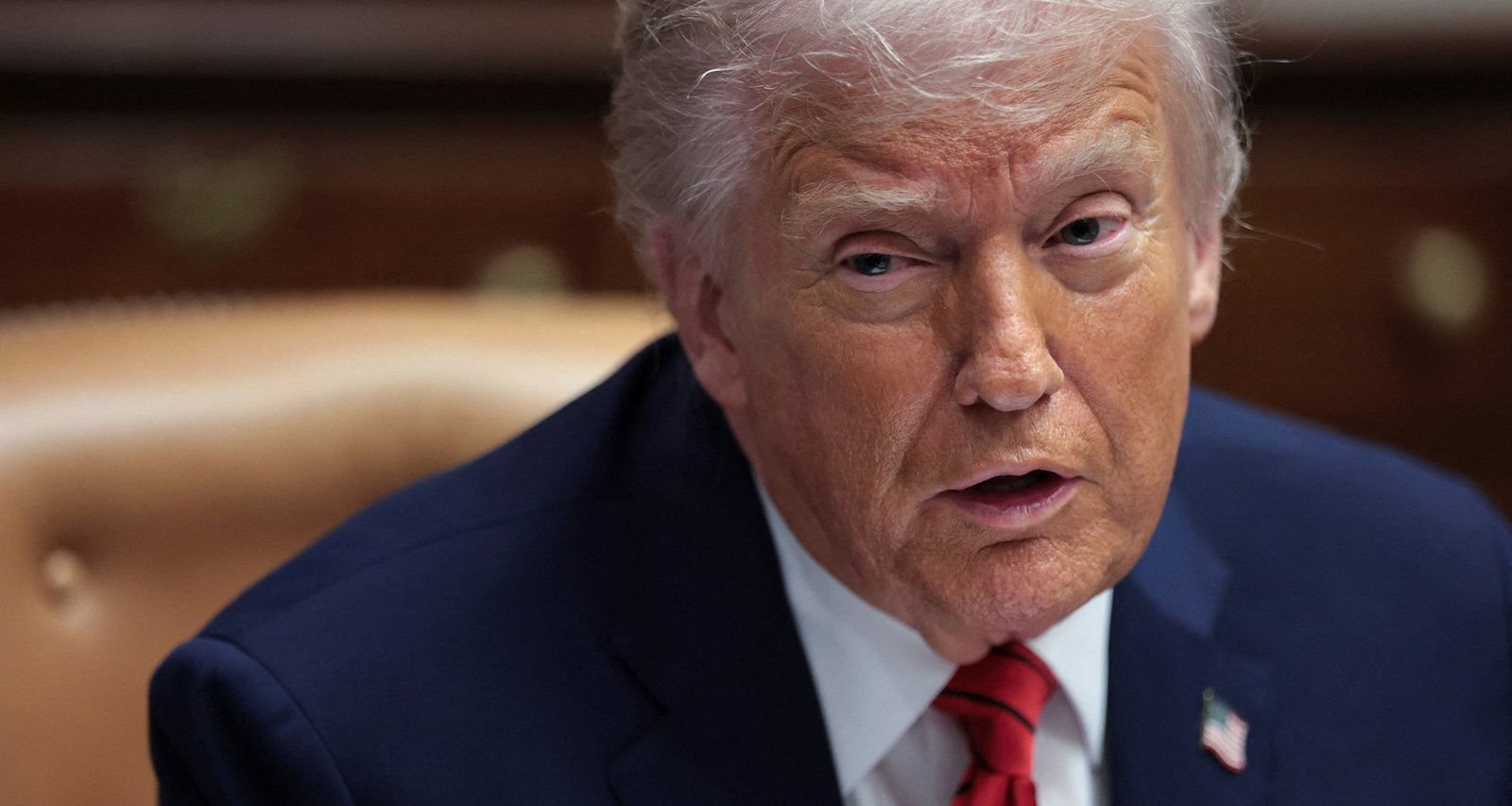
Imagem: Internet
The Treasury Department’s Office of Foreign Assets Control (OFAC), which administers economic sanctions, has not yet issued public guidance regarding the next steps for the seized crude. Previous cases involving confiscated oil shipments have resulted in auctions, with proceeds sometimes directed to the U.S. Victims of State Sponsored Terrorism Fund or held pending court decisions.
Venezuela—home to the world’s largest proven oil reserves—relies on crude exports for the majority of its government revenue. The Maduro administration has turned to barter arrangements and discreet tanker routes to maintain limited sales abroad, most notably to Cuba and, according to U.S. officials, to Iran. Energy analysts say the seizure could disrupt those channels in the short term, though alternative routing and re-flagging techniques remain available to sanctioned actors.
No immediate response to the seizure was issued by Venezuela’s state oil company, Petróleos de Venezuela S.A. (PDVSA), or by the government in Caracas. Cuban authorities also did not comment on whether they expected delivery from the intercepted vessel.
Under international maritime law, nations may seize foreign-flagged vessels in international waters when armed with a valid domestic warrant and when the vessel is suspected of violating applicable sanctions regimes. The Coast Guard frequently conducts such operations in coordination with the Department of Justice and other federal agencies, though they rarely involve tankers of VLCC size.
The White House did not specify when photographs or additional documentation would be released. Justice Department officials said only that the matter remains under seal in federal court, pending further legal action.
Crédito da imagem: Jonathan Ernst/Reuters


