President Donald Trump, who returned to office earlier this year, expressed condolences to the families of the fallen and vowed that the United States would respond. Speaking briefly to reporters before departing the White House on Saturday, he described the attack as a hostile act against both U.S. forces and the Syrian government and indicated that military and diplomatic options were under review.
Syrian President Ahmed al-Sharaa also condemned the ambush, according to official statements released in Damascus. Syrian authorities said they are coordinating with U.S. and coalition counterparts to identify potential Islamic State cells operating near Palmyra, an area that has changed hands multiple times over the past decade.
The deaths bring renewed attention to the evolving presence of roughly 900 U.S. troops deployed across eastern and central Syria under Operation Inherent Resolve. Their primary missions include advising and assisting local security forces, safeguarding critical infrastructure, and preventing the resurgence of the Islamic State, which lost its last territory in 2019 but continues to stage hit-and-run attacks.
Before Saturday’s ambush, the Defense Department had recorded ten U.S. military deaths in Syria, a figure that includes both hostile and non-hostile incidents. The most recent fatality occurred in February 2022 and was classified as non-hostile. The last combat deaths took place in January 2019, when four Americans—two service members, a civilian Defense Department employee, and a contractor—were killed in a suicide bombing in Manbij.
Security analysts note that Palmyra remains strategically significant because of its position along logistical routes linking eastern Syria to the country’s western population centers. Although Syrian government forces regained control of the city in 2017 with Russian support, Islamic State fighters have continued to exploit surrounding desert terrain to launch sporadic attacks on military convoys and oil installations.
The Pentagon has not disclosed the composition of the partner forces involved in Saturday’s mission, citing operational security. However, local units trained by the U.S. military—often drawn from tribal militias or elements aligned with the Syrian Democratic Forces—regularly accompany American personnel during engagements with community leaders and regional commanders.
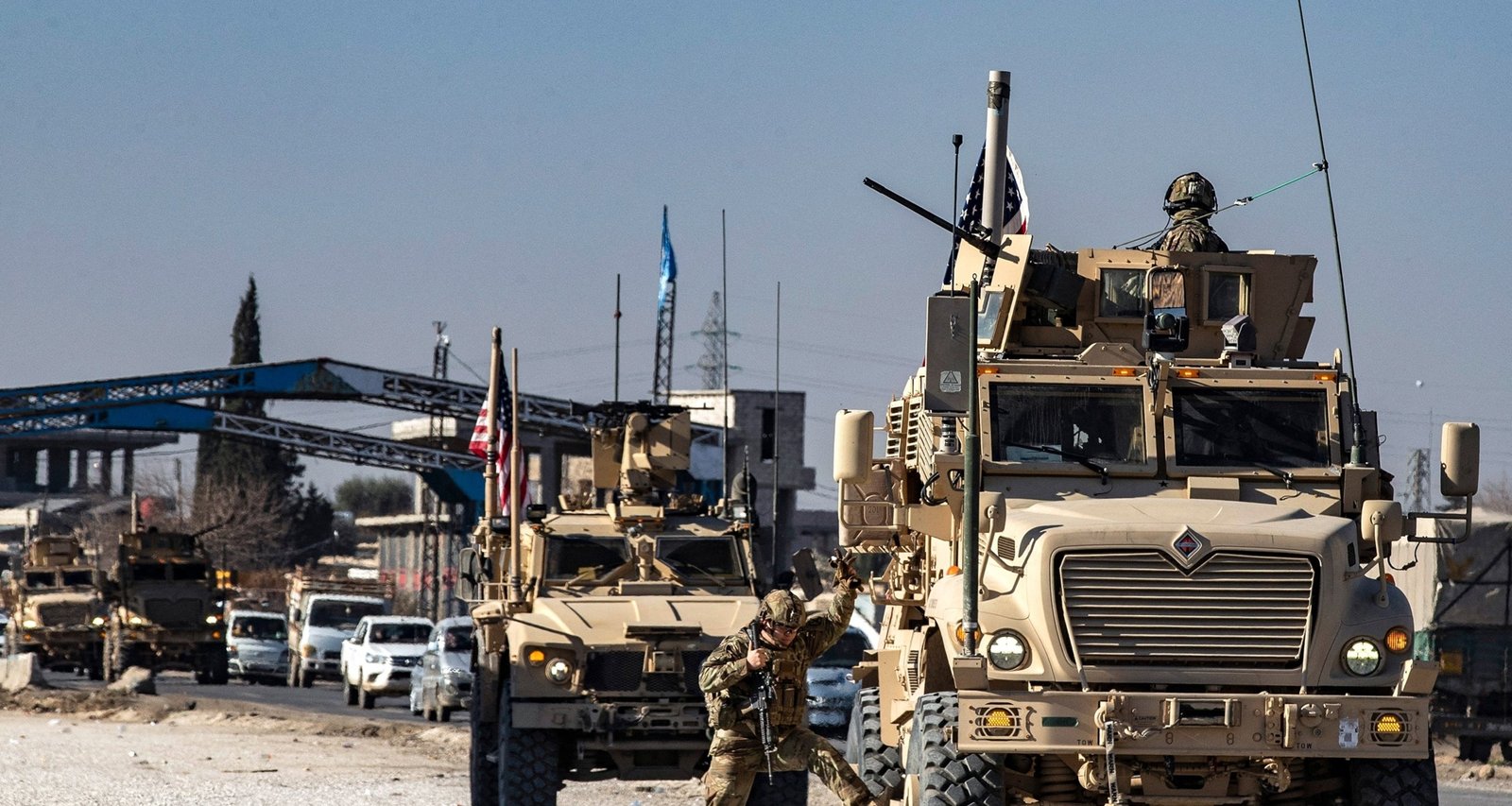
Imagem: Internet
U.S. officials added that a review of force protection measures is underway to determine whether additional precautions are needed. Such assessments typically examine intelligence sharing, route planning, and the placement of Quick Reaction Forces capable of reinforcing patrols that come under fire.
According to the U.S. Department of Defense, American casualties in Syria represent a small fraction of overall troop deployments in the Middle East but carry significant geopolitical implications. Any uptick in violent incidents can influence decision-making in Washington regarding troop levels, rules of engagement, and coordination with coalition partners.
In Congress, early reactions reflected bipartisan concern for the safety of deployed forces and interest in understanding whether intelligence lapses contributed to the ambush. Lawmakers on the House and Senate Armed Services Committees have requested briefings from the Defense Department on the circumstances of the attack and planned next steps.
Medical updates on the three wounded soldiers have not been made public. Military officials indicated that all were transported to a coalition facility in neighboring Iraq for stabilization and further care. Their conditions were described as serious but stable.
As investigations proceed, commanders in the region are expected to analyze the attacker’s affiliations, the possibility of support networks, and any broader implications for continued counter-ISIS operations. While the Islamic State’s territorial claims have been dismantled, insurgent tactics such as ambushes, roadside bombs, and targeted assassinations remain a persistent threat to local and coalition forces.
Additional information, including the identities of the fallen service members and the interpreter, will be released after family notifications are complete. The Pentagon has pledged to provide regular updates as the fact-finding process unfolds and as policymakers assess potential responses.
Crédito da imagem: Delil Souleiman/AFP via Getty Images


