The first round of talks took place Thursday and Friday in Miami. The upcoming Saturday session will continue work on technical aspects of the framework and review steps required for implementation if all parties ultimately endorse the plan.
In parallel, U.S. representatives briefed their Ukrainian counterparts on a recent meeting with Russian President Vladimir Putin in Moscow. The State Department said that exchange focused on possible measures to de-escalate hostilities and end the war, but emphasized that substantive progress depends on tangible Russian commitment to long-term peace, including reductions in violence.
Public statements from the Kremlin this week indicated no shift in Moscow’s core demands. Russian officials continue to insist on Ukraine’s withdrawal from eastern territories still partly controlled by Kyiv, a condition the Ukrainian government has repeatedly dismissed. Putin nonetheless claimed battlefield momentum was favorable to Russian forces and stated that Russia is prepared to keep fighting.
The diplomatic push occurs amid continuing large-scale strikes by both militaries. Ukraine’s air force reported that Russian forces launched 653 drones and 51 missiles—17 of them ballistic—overnight from Friday into Saturday. Ukrainian defenses said they intercepted or suppressed 585 drones and 30 missiles, while impacts were recorded in 29 locations. Russia’s Defense Ministry separately stated that its units downed 121 Ukrainian drones during the same period.
NATO aircraft were scrambled in Poland on Friday as part of routine air policing in response to the Russian barrage. The alliance maintains quick-reaction alert fighters across its eastern flank, a posture detailed on the NATO official website.
Ahead of the Miami meetings, Ukrainian President Volodymyr Zelenskyy said in a social media post that his delegation would seek a full account of the discussions held in Moscow and would work constructively with partners to achieve what he called a dignified peace. Zelenskyy reiterated that sustained international support remains essential for any settlement to succeed.
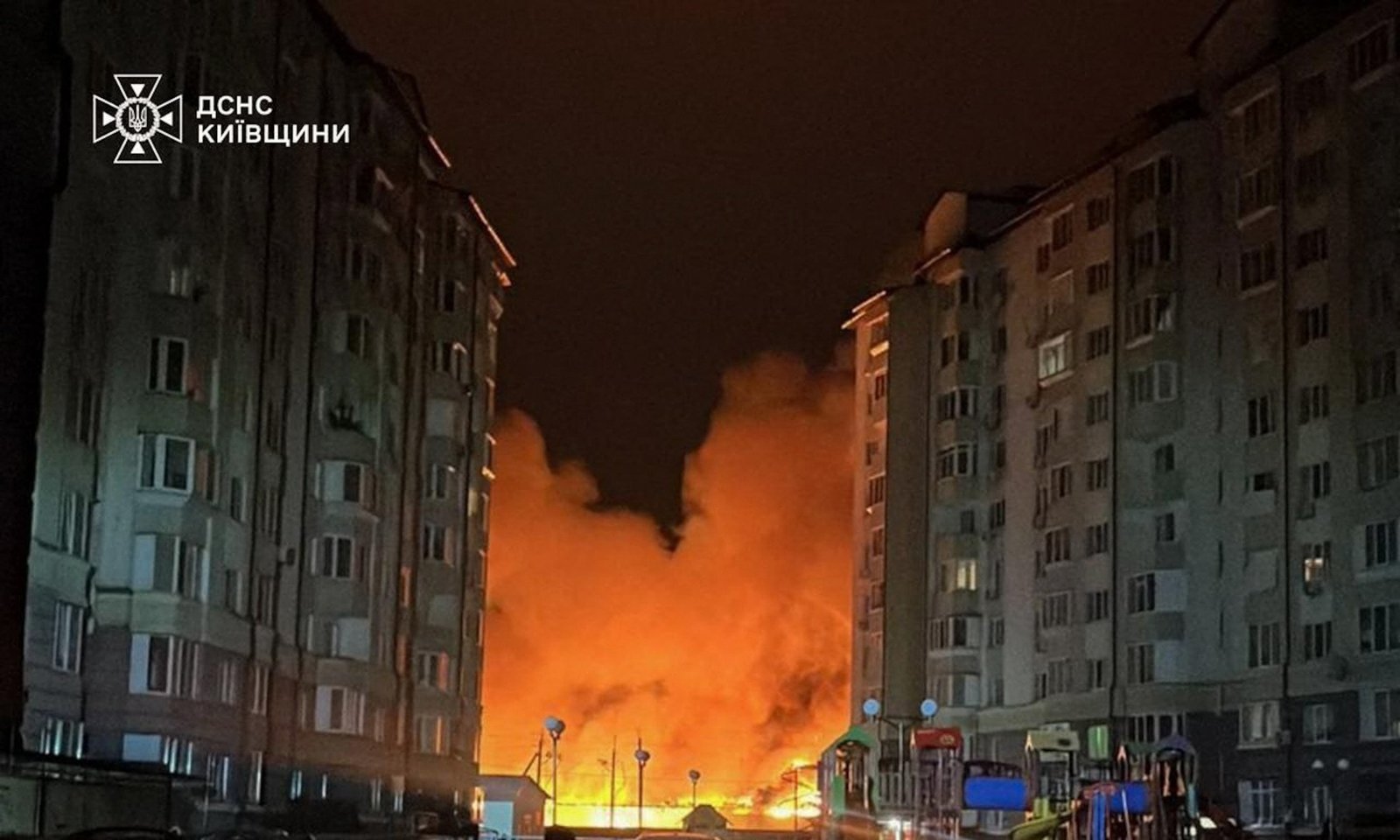
Imagem: Internet
Although Washington described this week’s sessions as productive, the absence of publicly disclosed terms leaves questions about the scope of potential U.S. security commitments. Kyiv has previously indicated that acceptable guarantees could range from advanced air-defense systems and long-term weapon supplies to formal defense pacts. The current talks aim to translate those broad concepts into an actionable framework that both governments can endorse.
The State Department emphasized that additional meetings may be required beyond the Saturday gathering. Officials signaled that experts from defense, intelligence, and legal fields are likely to become involved once core principles are defined.
Since Russia’s large-scale invasion began in February 2022, multiple international efforts to broker peace have stalled over issues such as territorial control, reparations, and accountability for war crimes. The Miami initiative represents the first known attempt under the current U.S. administration to outline concrete security provisions before formal cease-fire or withdrawal terms are finalized.
For now, active combat continues along the 1,200-kilometer front line, and both Russia and Ukraine are conducting long-range strike campaigns designed to disrupt logistics and erode morale. Analysts note that any reduction in hostilities will likely require synchronized political agreements in Kyiv, Moscow, Washington, and other allied capitals.
The delegations are expected to release an additional summary after Saturday’s discussions. No timeline has been set for presenting a finalized proposal to Russian negotiators or for convening a broader international conference.
Crédito da imagem: State Emergency Service of Ukraine / Kristina Kormilitsyna-Sputnik via AP


