Founding of the Valentino House
Garavani returned to Italy and, in 1960, launched the Valentino label in Rome with the assistance of business and life partner Giancarlo Giammetti. The enterprise quickly gained attention for its refined silhouettes, mastery of tailoring and the signature “Valentino red,” a striking shade that became a fixture on runways and at high-profile events.
Rise to International Prominence
The designer’s reputation accelerated after receiving the 1967 Neiman Marcus Fashion Award, then considered the industry’s equivalent of an Oscar. One year later he designed the ivory lace mini-dress worn by former U.S. First Lady Jacqueline Kennedy when she married Greek shipping magnate Aristotle Onassis, cementing his appeal among global tastemakers.
Throughout the 1970s and 1980s, Valentino’s client list expanded to include royalty, Hollywood actors and socialites. He was commissioned to create bridal gowns, evening dresses and daywear for some of the world’s most visible figures, including Elizabeth Taylor, Audrey Hepburn and Queen Máxima of the Netherlands. The company broadened its portfolio to fragrances, accessories and ready-to-wear lines, evolving from a couture atelier into a diversified luxury group.
Honors and Recognition
Garavani’s contributions were acknowledged by governments and cultural institutions alike. In 1986 he received the Cavaliere di Gran Croce, one of Italy’s highest civilian honors, for services to national prestige. A decade later he was appointed Cavaliere del Lavoro for exceptional entrepreneurship. His work has been featured in museum exhibitions worldwide; for example, the Metropolitan Museum of Art in New York includes several of his garments in its permanent collection.
Philosophy and Influence
In interviews, Garavani often emphasized the primacy of beauty in his creative process, describing the allure of a well-designed dress as transformative. Industry observers credit his disciplined approach to couture—marked by precise construction, luxurious fabrics and restrained embellishment—with shaping modern Italian elegance. Colleagues such as Karl Lagerfeld and Giorgio Armani publicly acknowledged his role in elevating the country’s fashion reputation during the post-war era.
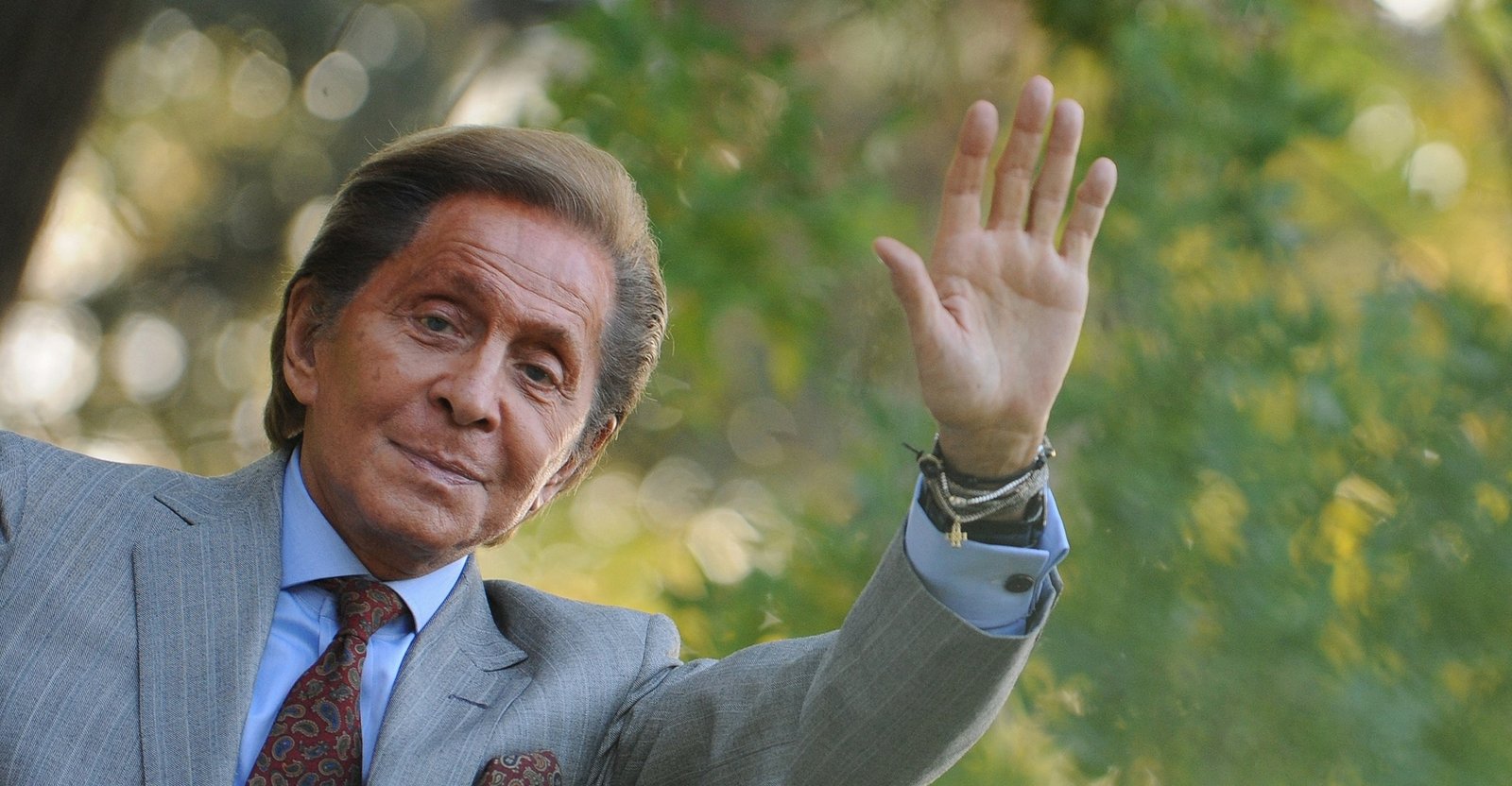
Imagem: Internet
Business Evolution
The Valentino Group expanded significantly during the late twentieth century, adding diffusion lines and licensing agreements in markets from Asia to North America. While Garavani remained the creative face, Giammetti oversaw operations, marketing and strategic growth. The partnership’s complementary skills helped the company navigate economic cycles and increasing competition in luxury retail.
Garavani officially retired from the runway in 2008, presenting a final haute couture collection in Paris attended by past muses and industry luminaries. Although no longer involved in daily design decisions, he retained an honorary role and frequently appeared at brand events and exhibitions celebrating his legacy.
Final Years
In later life, the designer divided his time between homes in Rome, London and Gstaad. He remained a patron of the arts, supporting restoration projects and cultural initiatives in Italy. A 2008 documentary, “Valentino: The Last Emperor,” offered an intimate look at his relationship with Giammetti and the inner workings of his atelier.
Funeral Arrangements
According to the statement released Monday, Garavani will lie in state on Wednesday in Rome, allowing colleagues, friends and members of the public to view the casket. The funeral service is planned for Friday; specific venue details were not provided at the time of publication.
Survivors include Giammetti and several nieces and nephews. The company has not yet announced plans for a formal memorial or retrospective, though industry sources expect tributes during upcoming fashion weeks in Paris and Milan.
Crédito da imagem: Tiziana Fabi/AFP via Getty Images


