Federal records indicate Lakanwal applied for asylum in 2024 and received approval in April 2025, during the administration of President Donald Trump. His protection status was granted after the customary interview and security checks administered by U.S. Citizenship and Immigration Services, officials familiar with the case said.
Current and former officials have offered conflicting assessments of the screening that preceded his entry. FBI Director Kash Patel told reporters the Biden administration conducted “no vetting” when large numbers of Afghans were flown to temporary processing hubs in Doha, Qatar, and European bases. However, internal DHS briefings from 2021 stated that every evacuee was subjected to “multi-layered” biometric and biographic reviews performed by intelligence, law-enforcement and counterterrorism personnel from numerous agencies.
Former CIA Director John Ratcliffe noted that Lakanwal’s prior employment with the intelligence community would have required background checks at the time of his service in Afghanistan. Homeland Security Secretary Kristi Noem has separately testified that approximately 8,000 Afghans have been screened for permanent admission since President Trump assumed office, describing the review as exhaustive and continuous.
Scrutiny of the resettlement process is not new. For years, U.S. intelligence officials have warned that verifying identities in conflict zones can be difficult when American personnel have limited on-the-ground access. The challenge intensified in August 2021, when the hurried military withdrawal left evacuation teams processing large numbers of people with incomplete paperwork. News reports from Doha described hangars filled beyond capacity, sporadic flight manifests and gaps in demographic data.
The Biden administration defended the evacuation as a moral obligation to Afghans who faced Taliban reprisals for assisting coalition forces. Critics, including several Republican lawmakers and activists, argued that speed compromised security and that the United States lacked reliable data to confirm applicants’ backgrounds. They contended that friendly ties to American units did not guarantee an absence of extremist intent.
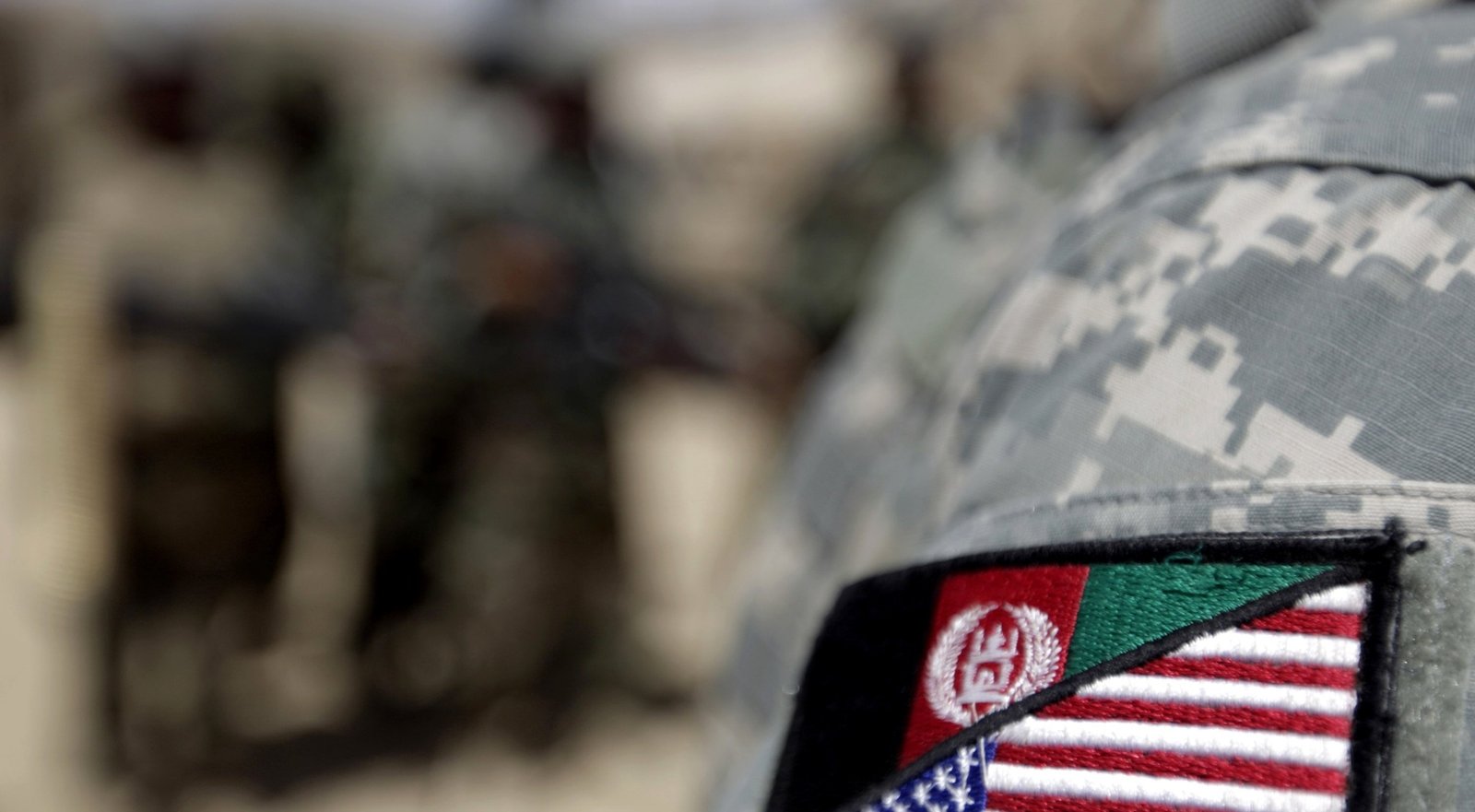
Imagem: Internet
Advocacy organizations disagree. AfghanEvac, a nonprofit that coordinates relocation efforts, maintains that Afghan applicants undergo some of the most rigorous checks in the U.S. immigration system. The group cautioned that an isolated act of violence should not be used to stigmatize tens of thousands who lawfully entered through the same process.
While the political argument intensifies, investigators continue to piece together Lakanwal’s recent movements. Preliminary evidence suggests he traveled by car from the West Coast to Washington, D.C., shortly before the attack. Authorities have not publicly disclosed a motive, and no broader security threat has been identified.
The case arrives as Congress debates funding for refugee admissions and weighs proposals to tighten screening for nationals of countries affected by terrorism. Under current law, DHS, the FBI and the State Department share responsibility for vetting through extensive database queries, fingerprint checks and in-person interviews. Additional measures, such as continuous monitoring after arrival, are under consideration.
Outside experts note that program integrity relies on access to foreign intelligence—a resource diminished in Afghanistan since the Taliban takeover. According to a 2022 Government Accountability Office assessment, gaps in overseas data collection can limit the effectiveness of domestic screening tools, forcing agencies to rely more heavily on allied governments and commercial information providers.
Meanwhile, the two injured Guardsmen are expected to recover, and their names have not been released. Court filings indicate Lakanwal will undergo a mental-health evaluation as the judicial process moves forward.
Crédito da imagem: U.S. Department of Justice


