At 10:28:47 a.m. the agent operating the camera says, “It’s time to get aggressive,” claiming the officers are being boxed in. Dashboard and street cameras, however, show open roadway in front of the government vehicle. One second later, driver Charles Exum states, “We’re boxed in,” before he appears to steer left toward Martinez’s Rogue. A crash is heard at 10:29:01 a.m.
The shooting sequence
Three seconds after impact, the agents stop near a gas-station driveway. Surveillance video does not show Martinez striking the agents’ SUV; rather, it records the agents’ vehicle already in contact with hers. At 10:29:06 a.m. Exum exits with handgun drawn and reports over radio, “We’ve been struck.” Five shots are fired almost immediately toward the Nissan Rogue. Martinez drives north, wounded by five rounds.
Footage then captures the agents’ SUV with a clear lane ahead, contradicting drawings later provided by one agent that depicted multiple vehicles obstructing escape. Ruiz’s GMC reverses, collides with a parked car, and pulls away before being stopped half a block distant.
Aftermath captured on camera
Exum’s own body camera remains off for roughly three minutes after the gunfire. When it activates at 10:32:49 a.m., he begins describing events to responding officers. At 10:39 a.m. he states he fired “five to seven shots” at Martinez after “she already hit my vehicle.” He reiterates that the agents had not been shot at.
During these exchanges, colleagues remind Exum that their conversation is recorded. One officer advises, “Just so you know, you don’t give statements to anybody… keep your mouth shut.” Exum turns off his camera at 10:51:34 a.m.
Martinez’s condition and planned litigation
Martinez, a teacher’s assistant and U.S. citizen, sustained five gunshot wounds. Her attorneys say she will sue DHS and Exum, alleging false public claims and branding her a domestic terrorist. A spokesperson for U.S. Customs and Border Protection said Exum was placed on administrative leave, but the agency did not specify when the leave began or how long it will last. CBP emphasized that all significant uses of force are reviewed by the National Use of Force Review Board, an independent panel that includes personnel from DHS and the Department of Justice Civil Rights Division.
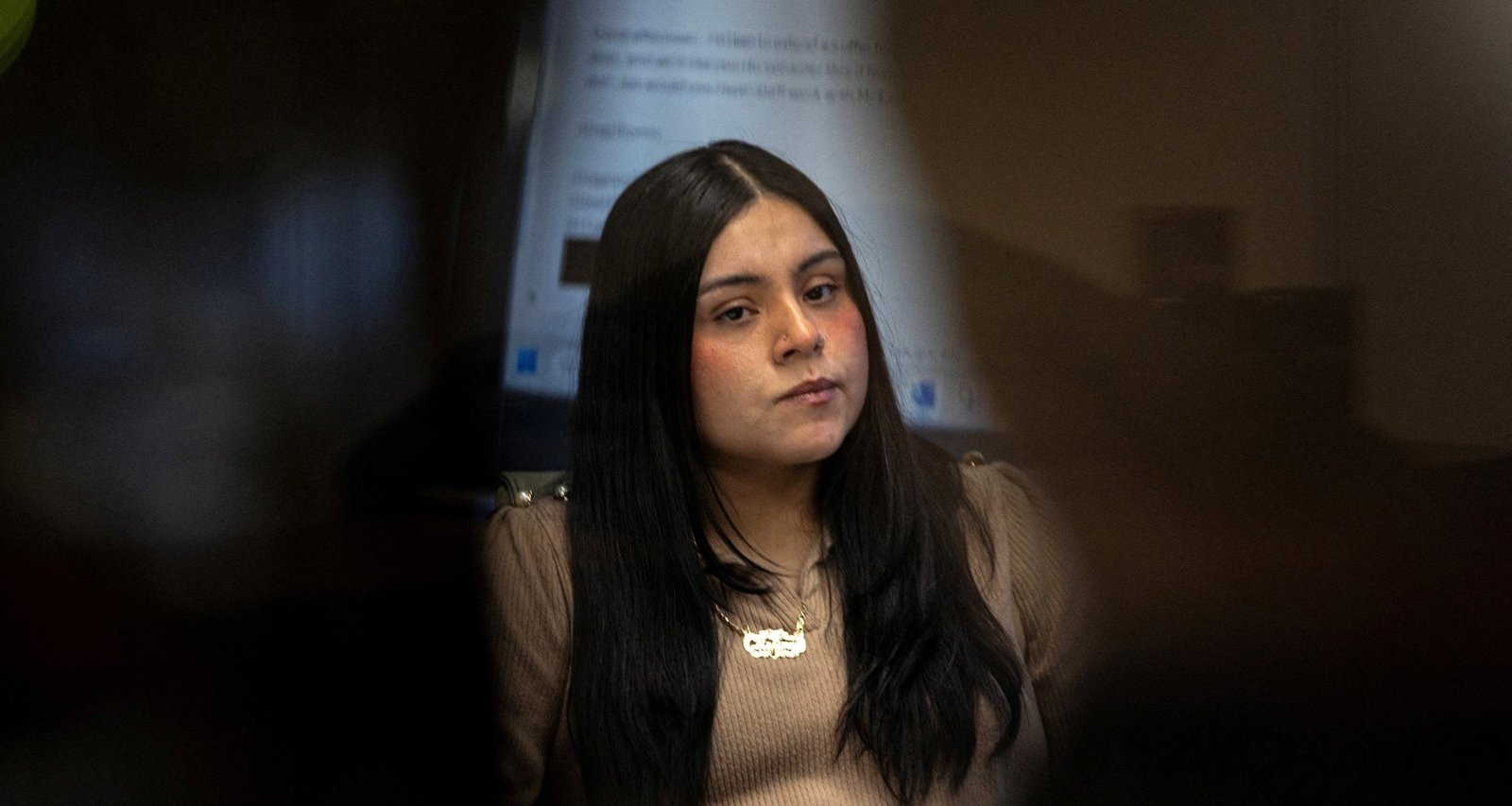
Imagem: Internet
Context of the operation
The incident occurred during “Operation Midway Blitz,” a Trump administration surge of federal immigration resources into Chicago. According to a court filing, the three agents were providing protective support to a separate enforcement action in Oaklawn. An FBI affidavit initially asserted that officers were followed by “multiple civilian vehicles,” language later echoed by DHS in public statements.
Detailed timeline from the combined videos
10:27:02 a.m. Body-camera video begins; three agents ride in the marked SUV.
10:28:17 a.m. Audio activates; an agent announces, “Camera’s on,” and grips an assault rifle.
10:28:35 a.m. Driver honks are heard from nearby motorists; an agent responds, “Honk all you want.”
10:28:47 a.m. Agents declare they are boxed in and discuss getting “aggressive.”
10:28:57 a.m. Exum states, “We’re going to make contact, we’re boxed in.”
10:29:01 a.m. The government SUV veers left; a collision noise is recorded.
10:29:04 a.m. Vehicles stop along the gas-station curb; agents prepare to exit.
10:29:06 a.m. Exum exits, reports “we’ve been struck,” and five shots are fired.
10:29:09 a.m. Martinez’s Rogue drives north, leaving the scene.
10:29:11 a.m. Agents aim rifles at Ruiz’s GMC, which backs into a parked vehicle before departing.
10:29:18 a.m. Body-camera footage shows no obstruction in front of the agents’ SUV.
10:32:49 a.m. Exum’s camera activates; he begins narrating events.
10:39:19 a.m. Exum tells officers he fired “five to seven” rounds.
10:45:04 a.m. Discussing the shoot, Exum checks whether cameras were recording.
10:48:14 a.m. Officers caution Exum to limit on-scene statements.
10:50:30 a.m. A supervisor advises Exum to provide no statements “to anybody.”
10:51:34 a.m. Exum turns off his camera.
Legal and procedural status
The federal judge who ordered release of the recordings cited public interest in government transparency. Prosecutors have dropped all charges against Martinez, and no criminal counts have been announced against the agents. The National Use of Force Review Board has not yet issued findings.
Martinez’s anticipated civil action will test DHS policies on post-incident communications. Her attorneys argue that official statements labeling her a threat amplified reputational harm and inaccurately portrayed the agents as victims of vehicular assault. DHS has not responded publicly to those allegations beyond its original press release.
Under CBP policy, agents involved in shootings are typically placed on administrative leave pending internal review and, when applicable, findings by the independent review board. According to CBP, the agency “is committed to the highest standards of conduct, transparency and accountability.” The department has not indicated when its internal investigation will conclude.
Video analysis continues to circulate among civil-rights advocates and law-enforcement oversight groups, many of whom point to discrepancies between the footage and the initial DHS narrative as evidence of potential misconduct. Independent examination of use-of-force incidents has become a central component of federal accountability efforts, bolstered by public access to body-worn-camera recordings and third-party video.
Crédito da imagem: U.S. Attorney’s Office for the Northern District of Illinois


