On numerous occasions, the FBI released footage and still images of the suspect, urged the public to study the person’s posture and walk, and offered a reward that eventually reached $500,000. Agents conducted more than 1,000 interviews, reviewed roughly 39,000 video files and pursued over 600 publicly submitted tips in an effort to determine the bomber’s identity.
Timeline of the Incident
Investigators believe the suspect deployed the devices between 7:30 p.m. and 8:30 p.m. on Jan. 5, 2021. Approximately 16 hours later, at about 12:45 p.m. on Jan. 6, a staff member outside the RNC spotted one of the bombs. Shortly thereafter, U.S. Capitol Police located the second device beside a bench near the DNC headquarters. The discoveries diverted significant police resources away from the Capitol grounds at a moment when lawmakers were gathering to certify the 2020 presidential election results.
The Department of Homeland Security’s inspector general later determined that then–Vice President-elect Kamala Harris entered the DNC building through a ramp roughly 20 feet from the undetected explosive and remained inside for approximately one hour and 40 minutes before being evacuated. A subsequent congressional report faulted multiple agencies for failing to detect the bombs sooner and for inadequately securing both scenes after the devices were found.
Years of Speculation
The prolonged search fed speculation over the bomber’s political motives and possible connections to the broader Jan. 6 attack. Commentators questioned why investigators could not determine the suspect’s gender or identity despite extensive video evidence and advanced forensic tools. Public interest intensified in 2024 when Dan Bongino, then a media personality and later appointed deputy director of the FBI, alleged on his podcast that the episode involved an inside plot. Officials did not substantiate such claims, and the investigation pressed forward under the direction of the FBI’s Washington Field Office.
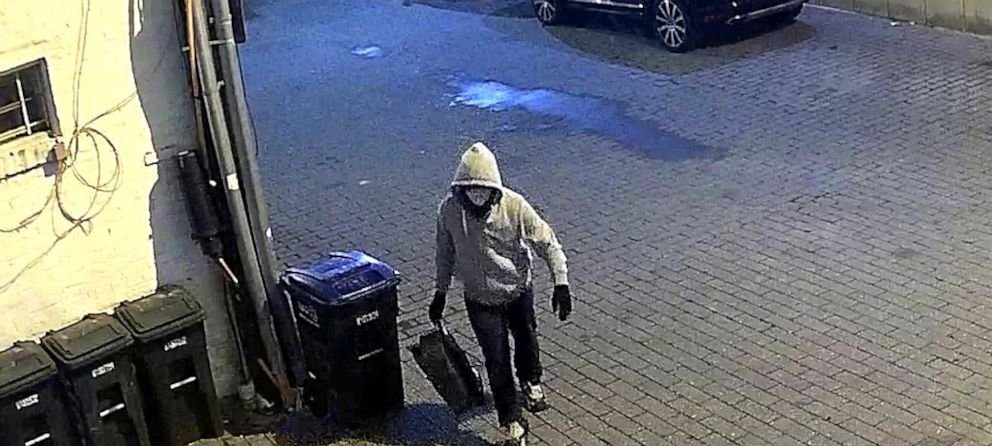
Imagem: Internet
Investigative Breakthrough
Details on what ultimately led authorities to the Virginia suspect have not been disclosed. It is unclear whether new forensic analysis, additional surveillance material, digital data or fresh witness information provided the breakthrough that agents needed. Prosecutors are expected to outline the chain of evidence when formal charges are filed in federal court.
Officials continue to evaluate whether anyone else participated in planning or executing the scheme. From the outset, investigators considered the possibility that the person seen in video footage may have had support, particularly because each device was placed at separate locations several blocks apart in a relatively short window of time.
Next Steps in the Legal Process
The suspect was arrested on Dec. 4, 2025, and transferred to federal custody. A court appearance is anticipated within days, where prosecutors will detail the charges and request pretrial detention. If convicted on counts related to the manufacture and placement of explosive devices, the defendant could face significant prison time. Prosecutors are also expected to cite the proximity of the bombs to high-profile political figures and the potential to disrupt the peaceful transfer of power during sentencing recommendations.
Meanwhile, law-enforcement agencies are reviewing investigative procedures that stretched over four years. Officials have acknowledged that the search tested the limits of video analysis, gait recognition technology and public outreach. Although the arrest represents a major step toward closure, investigators continue to urge anyone with additional information to contact the FBI.
Crédito da imagem: FBI


