The weekend action marked only the second Sunday session of the current Congress, underscoring the urgency to mitigate the shutdown’s growing economic and administrative costs. The standoff has delayed pay for hundreds of thousands of federal workers and halted a range of public services, from national park operations to routine economic data releases.
Economic Strain Emerges
Recent indicators suggest the budget impasse has begun to dent consumer outlook and overall activity. A survey released Friday by the University of Michigan showed consumer sentiment in early November at its lowest level since 2022. Separate data from the Federal Reserve Bank of New York revealed that U.S. household debt reached a record high in the third quarter, adding another headwind for consumers who drive about two-thirds of national economic output.
Market participants are also contending with a mix of external challenges, including elevated tariffs, persistent inflationary pressure and a cooling labor market. Nonetheless, the major averages have demonstrated resilience in 2025. Year to date, the S&P 500 has risen 14%, the Dow 10% and the Nasdaq 19%, buoyed in part by robust gains among large technology firms that continue to pour capital into artificial-intelligence initiatives.
What a Deal Would Mean
Should Congress send a funding measure to the White House, roughly 800,000 furloughed federal employees would return to work and receive back pay, injecting fresh income into local economies. Reopening agencies would also restart the publication of closely watched statistics, such as monthly employment figures and Consumer Price Index reports, helping investors gauge the health of the economy with current information.
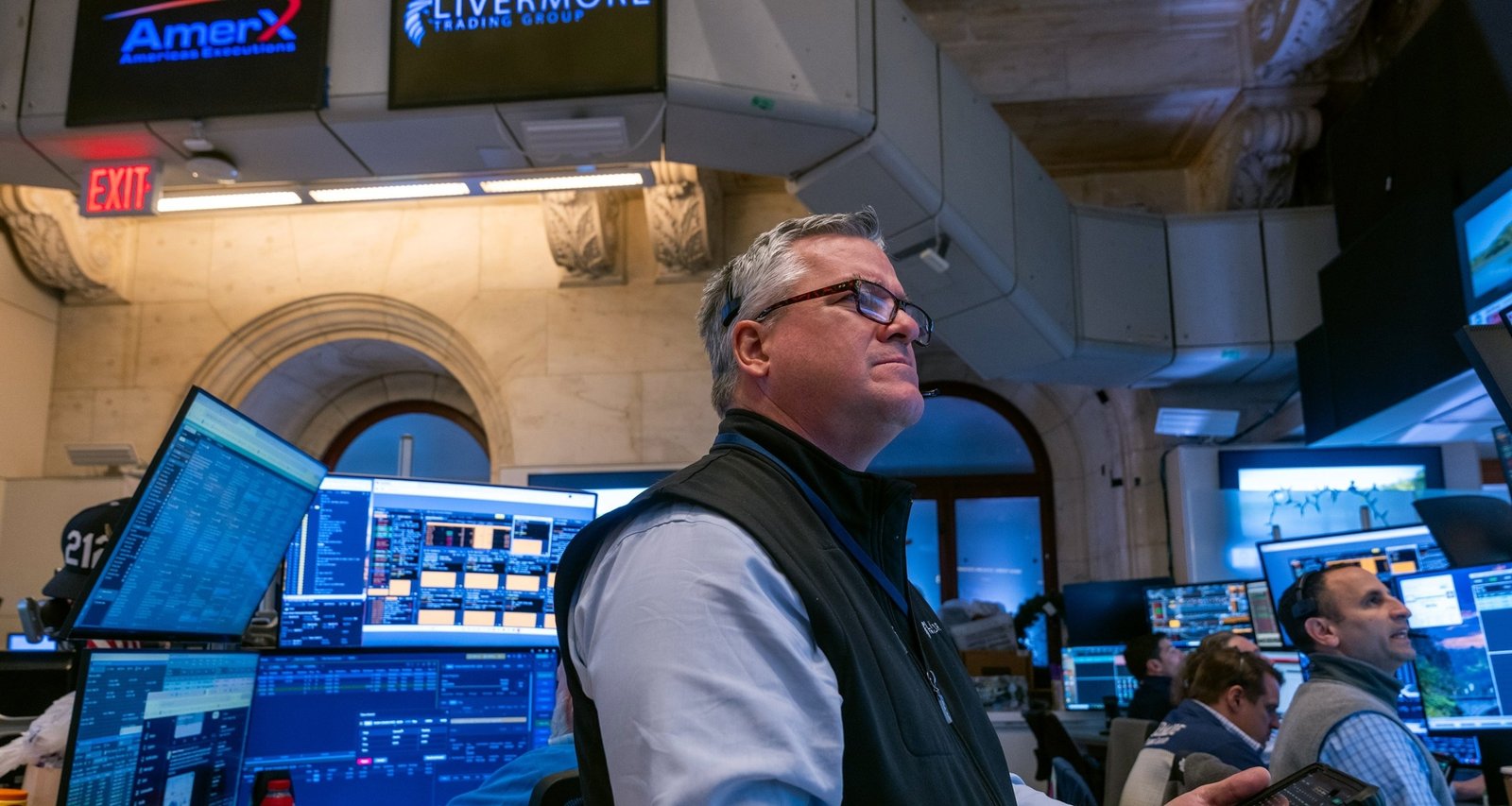
Imagem: Internet
The timing is particularly relevant for the Federal Reserve, which is scheduled to announce its next decision on interest rates in early December. The central bank has lowered its benchmark rate by 25 basis points at each of its last two meetings, and policymakers have signaled that future moves will depend heavily on incoming data. According to the Federal Reserve’s public calendar, officials are monitoring trends in consumer spending, wage growth and inflation as they weigh further adjustments.
Traders on the New York Stock Exchange floor noted active buying in technology and consumer-discretionary shares throughout the session, while defensive sectors such as utilities lagged. Analysts attributed the rotation to optimism that reopening the government would remove a significant drag on growth and reduce the risk of delayed payments to federal contractors.
Despite Monday’s advance, several hurdles remain before a final resolution is achieved. The Senate must still approve the bill’s full text, and House leadership has not committed to bringing any Senate-passed measure to a vote. If legislators reach agreement, the White House is expected to sign the legislation immediately to restore government operations.
Investors will continue to monitor developments on Capitol Hill, upcoming economic releases and commentary from Federal Reserve officials for clues on the market’s next direction. Until a funding agreement is enacted, the potential for renewed volatility persists, though Monday’s performance suggests that even incremental progress toward ending the shutdown can deliver significant relief to Wall Street.
Crédito da imagem: Spencer Platt/Getty Images


