Deployment of Border Czar Outside Normal Chain of Command
In a move that bypasses customary reporting lines, Trump announced on Monday that Border Czar Tom Homan will travel to Minnesota to oversee Immigration and Customs Enforcement (ICE) activity. Secretary Noem and Border Patrol Commander Greg Bovino have already been directing federal immigration operations in the state. The president said Homan is “tough but fair” and will report directly to him.
Noem, Bovino and FBI Director Kash Patel have defended the agents’ actions, asserting that Pretti was “brandishing” a firearm and carrying additional ammunition. State and local officials dispute that account, stating that the 29-year-old nurse possessed a valid concealed-carry permit and that video footage reviewed by authorities shows him holding a cellphone, not a weapon, while recording agents moments before he was shot.
Public criticism of the shooting and of the administration’s swift characterization of Pretti has come from Democrats and Republicans alike, as well as from the editorial boards of the typically conservative New York Post and Wall Street Journal. Several Democratic lawmakers have urged Noem to resign or face impeachment. Leavitt, however, said the president retains “utmost confidence and trust” in the Homeland Security secretary.
Communications With Minnesota Leaders
The White House has engaged directly with Minnesota’s Democratic leadership amid escalating tensions in Minneapolis. Trump and Governor Tim Walz held what both sides described as a productive phone call on Monday. The president said they were “on a similar wavelength,” while Walz later posted on social media that he told Trump administration officials their assertions about Minnesota’s immigration situation were incorrect.
Trump also spoke with Minneapolis Mayor Jacob Frey and said “lots of progress is being made,” adding that Homan will meet the mayor on Tuesday. According to Leavitt, the federal law-enforcement presence could be reduced if state and local authorities agree to assist in apprehending and detaining undocumented immigrants. She framed the demand as a “common-sense cooperative measure.”
White House Assigns Blame to State Officials
Even while downplaying the terrorism narrative advanced by some federal officials, the administration continued to fault Minnesota’s Democratic leadership for what Leavitt described as a “deliberate and hostile resistance” to federal immigration enforcement. She cited the deaths of Renee Good and Alex Pretti, as well as injuries to federal personnel, in arguing that state leaders’ policies have created an unsafe environment.
Opponents counter that the shooting illustrates the risks of an aggressive federal posture. Walz, in a Wall Street Journal opinion piece published Monday, contended that “federal officials are lying” about the state’s immigration challenges and that the current strategy amounts to “chaos” rather than effective law enforcement. His argument echoes broader concerns raised by civil-rights groups about the scope of federal authority in local jurisdictions.
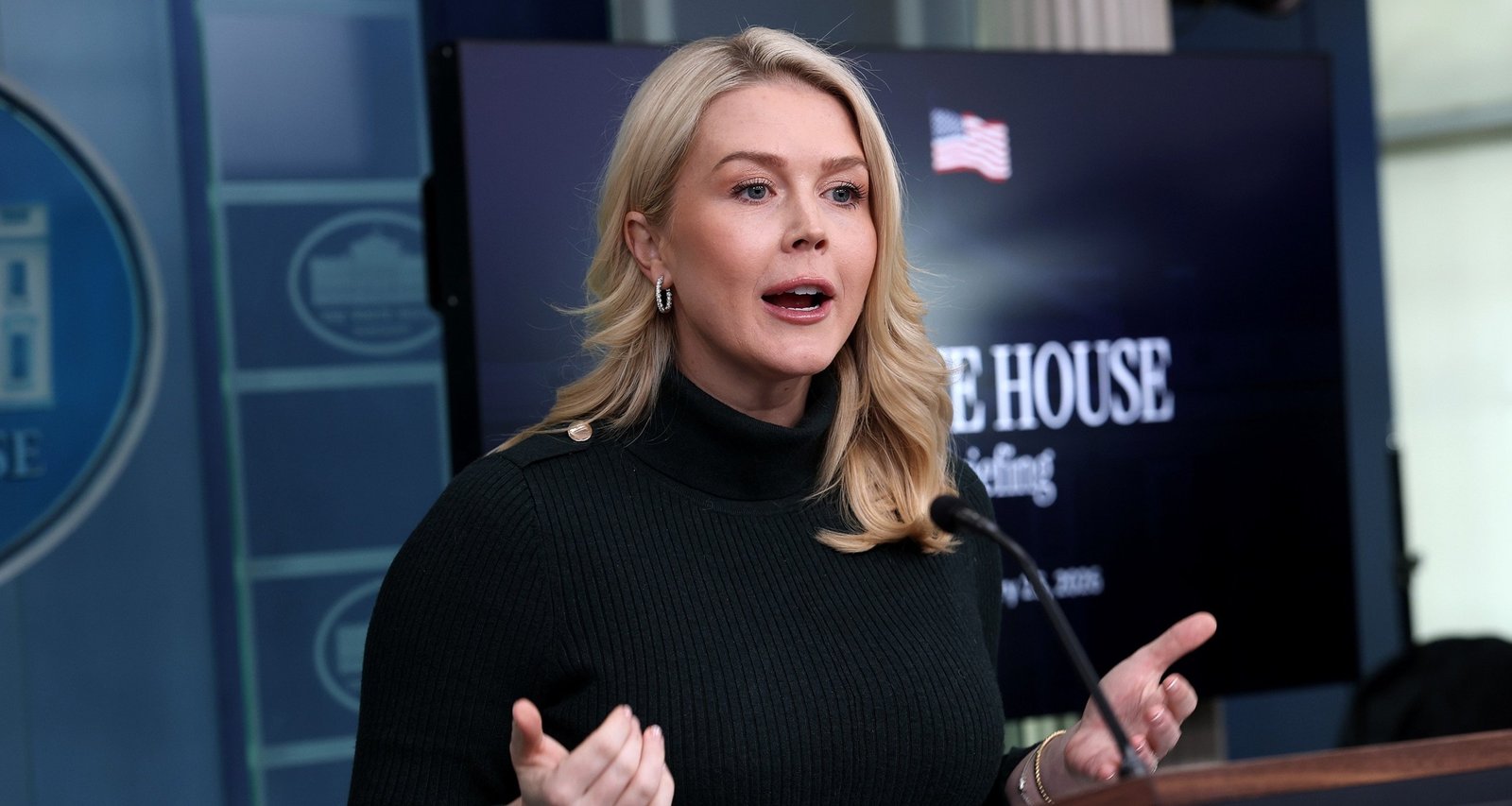
Imagem: Internet
Disputed Account of the Shooting
Pretti, who worked as an ICU nurse at Minneapolis General Hospital, joined a protest near the city’s Whittier neighborhood on Saturday afternoon. According to local police and eyewitnesses, he was legally carrying a handgun under Minnesota’s concealed-carry statute. Federal agents conducting an unrelated immigration operation approached the crowd, after which shots were fired, killing Pretti on the scene.
Multiple videos recorded by bystanders appear to show Pretti holding his phone at chest level before collapsing. None of the reviewed footage indicates that he drew his firearm. Homeland Security Secretary Noem nevertheless alleged that he was prepared to stage a “massacre,” and Bovino said the agents confronted “an armed assailant.” Patel suggested in a televised interview that bringing a firearm to a protest is illegal, a statement contradicted by Minnesota law.
The gap between federal claims and local findings has intensified scrutiny of the shooting. Civil-liberties advocates have pointed to the federal agents’ rules of engagement and to what they describe as a pattern of inflammatory language from administration officials. An overview of federal use-of-force guidelines published by the Congressional Research Service provides context on how deadly force determinations are generally made for federal law-enforcement personnel.
Political Repercussions Inside the Administration
Within the White House, efforts to recalibrate the message underscore an awareness of potential legal and political fallout. Trump’s decision to keep a measured tone in public statements contrasts with earlier posts in which he referred to Pretti as a “gunman.” By acknowledging that the investigation must run its course, the president appears to be distancing himself from the conclusory language used by Noem and Miller.
Leavitt’s assertion that the president “doesn’t like any shooting” but also disapproves of individuals carrying loaded weapons at protests reflects an attempt to balance support for law enforcement with caution about premature judgments. The administration’s stance may also be influenced by bipartisan calls for transparency, including demands that video evidence and investigative findings be made public.
Next Steps in the Inquiry
Investigators from HSI and the FBI have begun interviewing witnesses and reviewing digital evidence. CBP’s internal affairs unit will examine whether agents followed departmental protocols. Results from the medical examiner’s office, including toxicology reports, are expected within weeks. Federal officials have not provided a timeline for releasing their investigative conclusions.
For now, the White House is signaling that personnel decisions hinge on those outcomes. Leavitt said Noem “continues to oversee the entire Department of Homeland Security” and emphasized that any disciplinary measures would depend on the findings. Meanwhile, Tom Homan’s upcoming meetings with Minnesota officials will serve as a barometer of cooperation—or continued conflict—between state and federal authorities in the days ahead.
Crédito da imagem: Getty Images / Reuters / EPA / Win McNamee