Hegseth, appearing on “Fox & Friends” the same morning, dismissed speculation from a Maduro spokesperson that the video had been generated with artificial intelligence. “That was definitely not artificial intelligence. I watched it live,” he said, emphasizing that military planners “knew exactly who was in that boat.”
Expanded campaign at sea
The administration later reported 20 additional strikes on suspected trafficking vessels in the Caribbean and eastern Pacific, with a cumulative death toll of 83. Speaking at an Oct. 23 White House event focused on counter-cartel operations, Hegseth said boat crews would be treated as foreign terrorist organizations: “We’re going to defeat and destroy these terrorist organizations to defend the homeland on behalf of the American people.”
One week earlier, authorities confirmed that detainees from another interdiction had been repatriated to Colombia and Ecuador, limiting their ability to challenge their detention in U.S. courts. Asked how future survivors would be handled, Hegseth replied only that established protocols were in place.
Report of a second, lethal strike
On Nov. 28, The Washington Post published an article citing two individuals “with direct knowledge” of the Sept. 2 mission. The report stated that the first explosion left two people alive on debris until Adm. Mitch Bradley, then commander of the Joint Special Operations Command, authorized a second strike to prevent any rescue or potential retrieval of contraband. ABC News later confirmed the deaths of those survivors.
Congressional leaders from both parties, including chairs and ranking members of the House and Senate Armed Services Committees, released joint statements pledging to examine the incident. While lawmakers reviewed classified briefings, legal scholars questioned whether maritime law or the 2001 Authorization for Use of Military Force covers lethal action against non-state actors in international waters. A background paper from the non-partisan Congressional Research Service notes that the United States generally requires either host-state consent or self-defense to justify such operations.
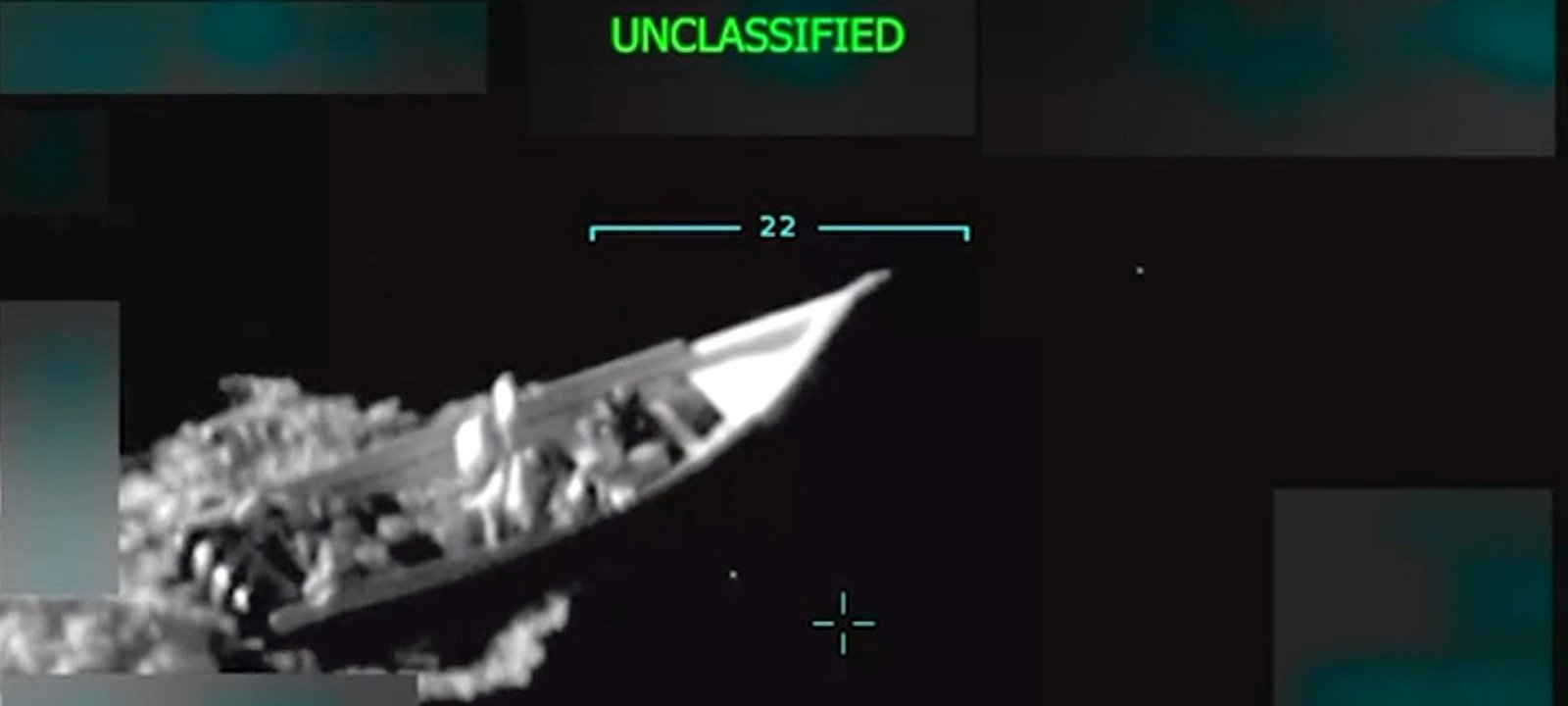
Imagem: Internet
Administration clarifies chain of command
Hegseth denied authorizing a second strike, writing on X that all actions were lawful. Speaking to reporters Dec. 2, White House Press Secretary Karoline Leavitt said Bradley, not Hegseth, issued the follow-up order. She did not elaborate on the intelligence that prompted the decision.
The next day, during a Cabinet meeting, Hegseth defended Bradley’s judgment, stating the admiral “made the correct decision to ultimately sink the boat and eliminate the threat.” Hegseth added that he had viewed only the initial engagement before moving to another meeting and did not witness any survivors. “That thing was on fire—smoke, explosions—you can’t see anything. This is the fog of war,” he said.
President distances himself from second strike
Answering questions on Dec. 1, Trump said he had no prior knowledge of the alleged second missile and that he “wouldn’t have wanted that.” He maintained confidence in Hegseth, asserting, “Pete said that didn’t happen. I have great confidence.”
Despite legislative inquiries, the president indicated he will not seek additional congressional authorization to pursue maritime targets linked to narcotics trafficking. “We’re just going to kill people that are bringing drugs into our country,” he told reporters in October.
As investigations proceed, the administration has signaled that operations will continue. “We’ve only just begun striking narco-boats and putting narcoterrorists at the bottom of the ocean,” Hegseth said on Dec. 3. Lawmakers are expected to request detailed after-action reports and legal justifications in the coming weeks.
Crédito da imagem: Chip Somodevilla/Getty Images


