The memo indicates that the cardiac scan, designed to visualize the heart and its major blood vessels, showed no evidence of arterial narrowing. Arterial narrowing, or atherosclerosis, occurs when plaque accumulates inside the coronary arteries and can restrict blood flow, raising the risk of chest pain or heart attack. Barbabella reported that the president’s heart chambers were normal in size and that no signs of inflammation, clotting, or structural irregularities were observed. The physician concluded that Trump’s cardiovascular system “shows excellent health.”
Medical specialists commonly employ imaging modalities such as coronary computed tomography angiography to evaluate arterial plaque and vessel integrity. More background on how these scans detect coronary disease is available from the American Heart Association.
Abdominal imaging findings
Barbabella’s memo further noted that abdominal imaging displayed normal appearance and perfusion of all major organs, including the liver, kidneys, pancreas, and spleen. Adequate perfusion signifies that organs are receiving sufficient blood flow relative to their size, supporting normal function. The physician wrote that “everything evaluated is functioning within normal limits with no acute or chronic concerns.”
Context of the examinations
During an informal conversation with reporters aboard Air Force One in late October, Trump mentioned having received an MRI as part of his “advanced imaging” at Walter Reed. The memo issued Monday does not explicitly use the term MRI, though the president’s remarks suggested that magnetic resonance imaging may have been among the techniques employed. Trump declined at the time to specify which part of his body had been scanned but expressed willingness to release the results. On Sunday, he reiterated that the findings could be made public and asserted that the test did not involve his brain, citing a previous cognitive assessment.
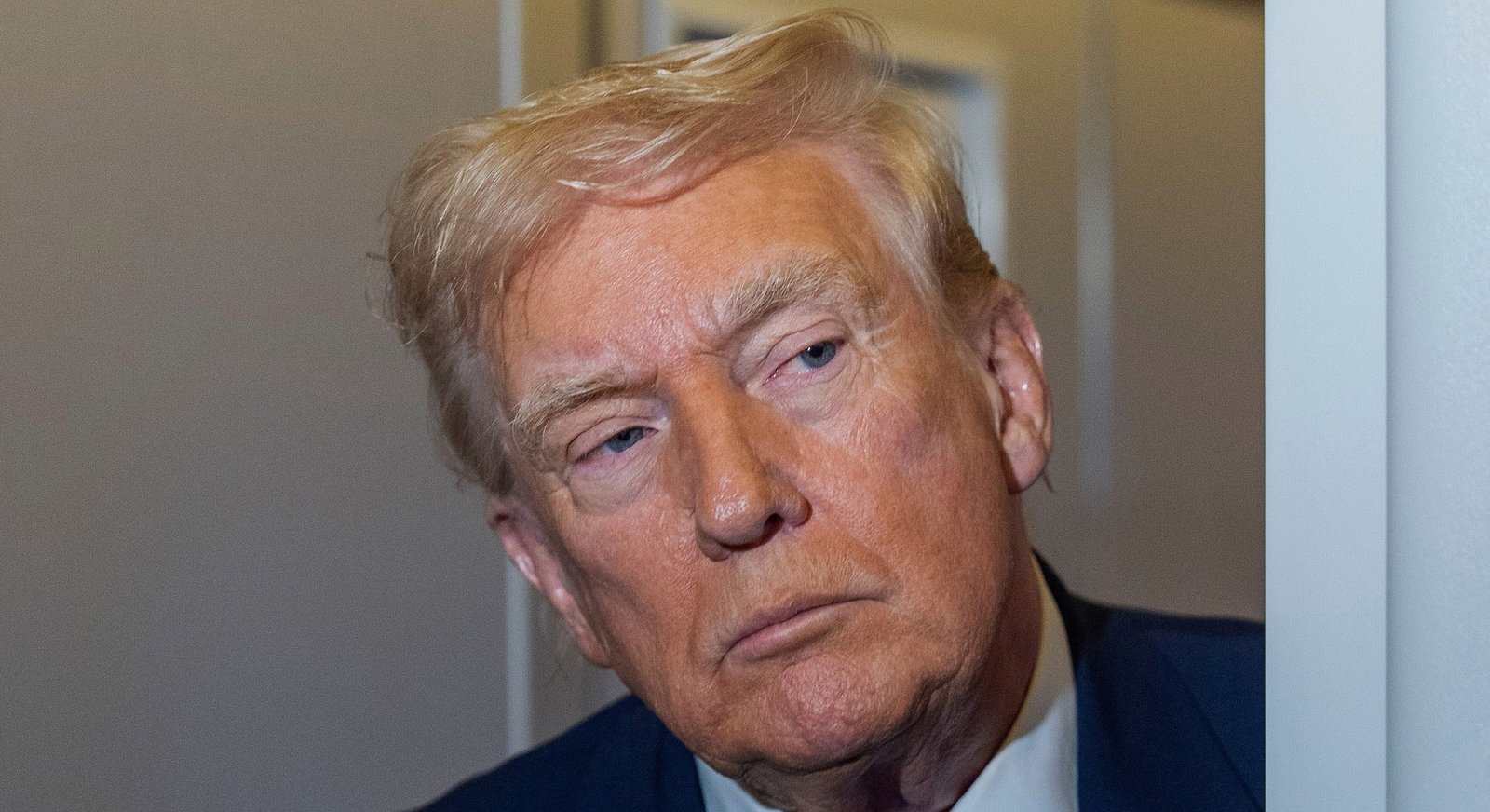
Imagem: Internet
The physician’s memo framed the imaging as a component of an “executive physical” tailored to a patient of Trump’s age. Such evaluations frequently incorporate detailed diagnostic procedures beyond standard laboratory panels and physical examinations, aiming to provide thorough baseline data and to identify potential health issues through non-invasive methods.
Previous health statements
Earlier reports from the White House have consistently described the president as being in “exceptional” or “excellent” health following routine check-ups at Walter Reed. Monday’s release expands upon those assessments by providing specific results from advanced imaging not detailed in prior summaries.
No additional treatment indicated
Barbabella’s memorandum did not recommend follow-up testing or treatment and did not reference any prescribed medication changes. The statement concluded that the imaging results reinforce earlier evaluations indicating that the president remains in overall good health.
The White House did not announce plans for further public updates on the president’s medical status. However, routine annual examinations are expected to continue, consistent with the practice of documenting the health of sitting presidents.
Crédito da imagem: Alex Brandon/AP


