Within months of the share sale, the administration authorized the export of advanced U.S.-made artificial-intelligence chips to the UAE. The previous administration had withheld the same technology over concerns that the hardware could be transferred to China. The sequence of events has prompted bipartisan calls for a closer examination of whether official decisions may have been influenced by private business arrangements.
A spokesperson for World Liberty confirmed the transaction but said neither President Trump nor Steve Witkoff took part in negotiations. The company described the capital infusion as a standard business move to support expansion and rejected suggestions that the deal was connected to U.S. policy on technology transfers.
The White House counsel’s office stated that the president remains uninvolved in business matters that intersect with constitutional duties. Officials added that the president’s holdings are placed in a trust overseen by his children, arguing that this structure eliminates conflicts. Ethics specialists, however, note that conventional blind trusts are usually managed by independent trustees rather than family members—an arrangement intended to ensure genuine separation between public office and private gain. The U.S. Government Accountability Office outlines those standards in federal ethics guidance.
The chip authorization is not the only intersection between Emirati money and World Liberty’s operations. Last May, MGX—a UAE-backed investment vehicle chaired by Sheikh Tahnoon—announced plans to use a World Liberty-issued digital token to help finance a $2 billion stake in the cryptocurrency exchange Binance. MGX also holds a 15 percent position in the new TikTok U.S. joint venture, underscoring its growing presence in high-profile technology deals.
Peter Wildeford, policy director at the nonpartisan AI Policy Network, warned that unrestricted access to high-end AI processors could erode the strategic edge of the United States if the chips are diverted to rival powers. His comments echo concerns voiced within the Defense and State Departments prior to the license approval.
World Liberty has evolved into one of the Trump family’s most lucrative enterprises. When the company’s digital token began public trading last year, market activity produced an estimated $5 billion windfall for Trump-linked entities, according to earlier reporting by ABC News.
Several Democratic lawmakers cited the newly revealed $500 million stake as evidence of what they characterize as pay-for-play arrangements. Members of Congress are urging committees to examine both the investment and the subsequent export license for possible violations of ethics or national-security laws. Republicans have largely dismissed the criticism, noting that foreign investment in U.S. companies is not unusual and pointing to statutory authority that grants presidents wide discretion over defense exports.
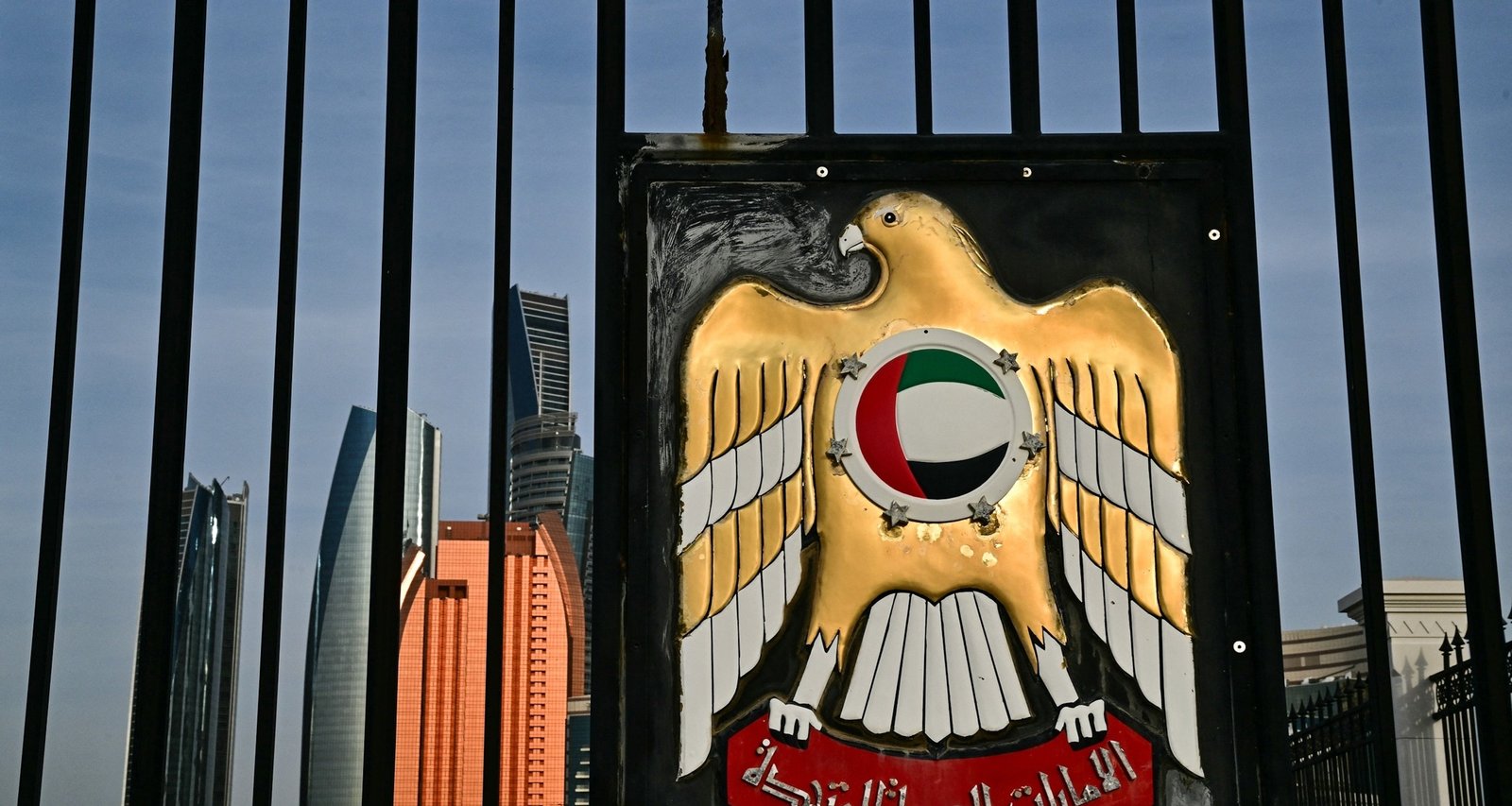
Imagem: Internet
Legal scholars say the situation is unprecedented in scope because it involves hundreds of millions of dollars flowing from a foreign government official to a firm that remains partly owned by the sitting president’s family. They argue that traditional guardrails—such as mandatory disclosure of large foreign payments, full divestment, or an arm’s-length blind trust—may not have been applied in this case.
Complicating the picture is the rarity of public documentation about World Liberty’s internal governance. The company is privately held and incorporated in Delaware, a state that does not require detailed shareholder disclosures. Most information about ownership stakes comes from transactional records and statements made by its representatives to the media.
In addition to the chip sale, the Biden administration previously declined to approve a similar export request from Abu Dhabi. That decision, lodged in late 2024, cited intelligence assessments that the UAE’s growing defense partnership with Beijing could enable technology diversion. The reversal by the incoming Trump administration has therefore attracted special attention inside the national-security community.
Industry analysts say the UAE’s appetite for cutting-edge semiconductors reflects its strategy to diversify beyond oil by investing heavily in artificial intelligence, cybersecurity, and digital assets. Sheikh Tahnoon’s portfolio positions him at the center of that push, linking sovereign wealth capital with private commercial ventures like World Liberty.
While the White House maintains that policy decisions are grounded solely in U.S. strategic interests, public-interest groups continue to press for release of additional documentation. They are calling for details on the administration’s internal deliberations over the chip export, as well as any communications between government officials and representatives of World Liberty or Emirati investment funds.
Congress is expected to schedule hearings later this spring. Lawmakers on the House Oversight and Senate Banking committees have already requested testimony from company executives, Treasury officials overseeing foreign-investment reviews, and State Department staff involved in the export-control process.
For now, the administration’s position remains unchanged: the president’s financial holdings are separated from government decision-making, and the UAE deal poses no ethical dilemma. Whether forthcoming inquiries substantiate or challenge that assertion is likely to shape debate over presidential business entanglements for months to come.
Crédito da imagem: Giuseppe Cacace/AFP via Getty Images