Zelenskyy countered that rhetoric, saying it contradicts any suggestion that Moscow is ready to end hostilities. “Partners should not only see these statements but act on them,” he said, emphasizing that continued Western backing is essential to dissuade Russia from prolonging the war.
The Ukrainian president travels to Brussels on Thursday for a summit focused on using roughly $250 billion in frozen Russian assets to finance support for Kyiv. He described the meeting as pivotal, asserting that a decision demonstrating Europe’s long-term commitment could convince the Kremlin that further fighting is futile. The outcome, he said, depends entirely on European leaders.
Several senior officials in Brussels underscored the stakes. Polish Prime Minister Donald Tusk warned that failure to secure funds “today” could result in “blood tomorrow,” while European Commission President Ursula von der Leyen wrote on social media that the objective is “peace for Ukraine through strength.” Zelenskyy said the money would be used primarily for weapons and warned that any gap in funding next spring would sharply reduce Ukraine’s drone production capacity and overall ability to fight.
Zelenskyy also confirmed that additional meetings between U.S. and Ukrainian negotiators are scheduled for the coming week as part of Washington’s ongoing effort to broker a settlement. No consensus has yet been reached on territorial questions or other core issues.
During his appearance in Moscow, Putin criticized European governments for what he called obstructive policies and used a disparaging term in reference to several leaders. He nevertheless praised “progress” in talks with the new U.S. administration, contrasting that dialogue with what he characterized as the unhelpful stance of most European capitals.
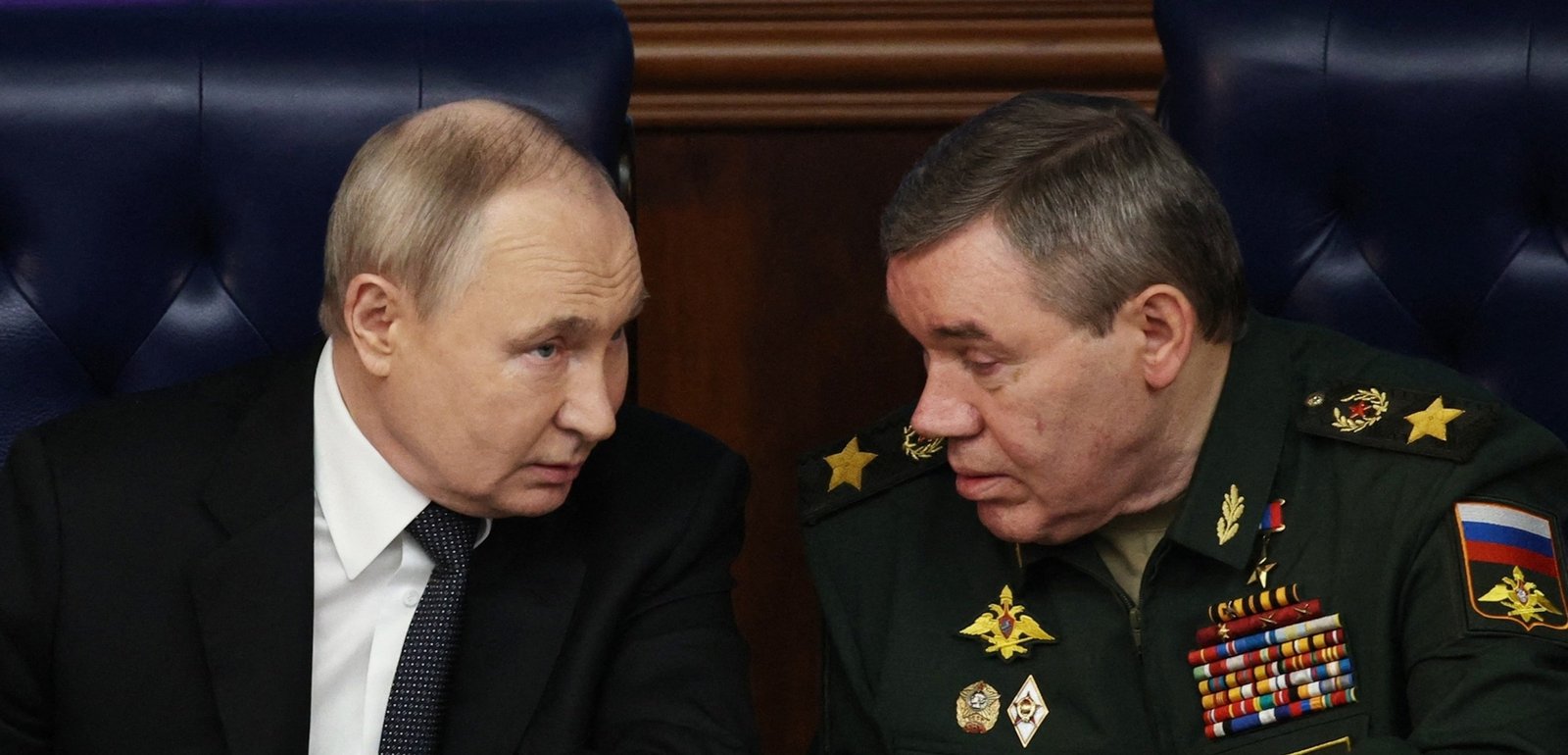
Imagem: Internet
While the diplomatic track remains active, both countries continued long-range strikes overnight into Thursday. Ukraine’s air force reported that Russia launched 82 Shahed-type drones; 63 were shot down or electronically suppressed, while 19 hit 12 locations. Ukraine’s State Emergency Service said six people were injured in the Cherkasy region and three in the Dnipropetrovsk region. Russia’s Defense Ministry claimed its air defenses intercepted at least 77 Ukrainian drones during the same period.
The conflict, now entering its fourth calendar year, has drawn extensive international sanctions against Moscow and prompted a series of aid packages to Kyiv. According to a timeline maintained by the United Nations, Russia began its full-scale invasion on Feb. 24, 2022, following months of troop buildups near the Ukrainian border.
As winter sets in, Ukrainian officials say sustained foreign assistance is critical not only for frontline operations but also for maintaining domestic production of drones, artillery shells and air-defense munitions. Zelenskyy warned that production could fall “several-fold” without timely financing.
Putin, for his part, told military commanders that Russia would prefer to resolve the conflict diplomatically but would resort to force if talks fail. He again framed Western support for Kyiv as the primary obstacle to a negotiated settlement and signaled no willingness to withdraw forces from occupied territory.
With both sides publicly committed to their objectives and military activity ongoing, the gap between battlefield realities and diplomatic ambitions remains wide. The upcoming Brussels summit and follow-on U.S.–Ukraine discussions will test whether financial and political pressure can narrow that divide or whether, as Zelenskyy warned, Europe and the United States must brace for another year of large-scale warfare.
Crédito da imagem: Maryam Majd/AP


