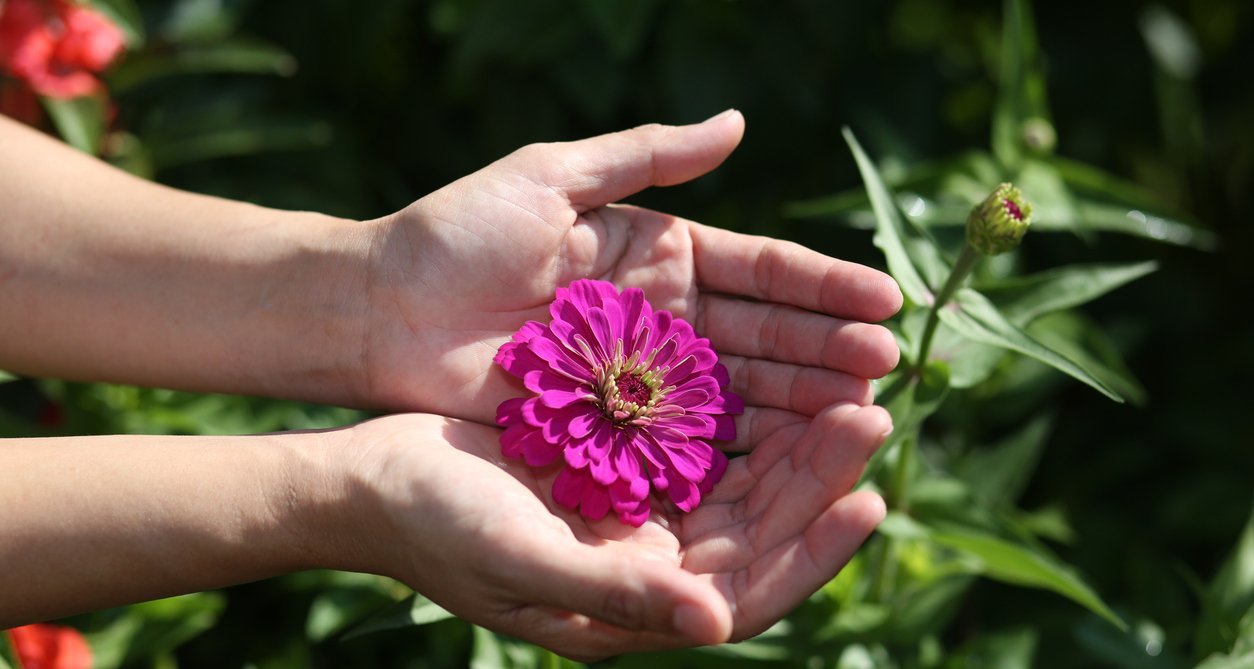
Minimal maintenance requirements
Zinnias thrive under full sunlight and tolerate lean soils, provided drainage is adequate. Routine watering during dry spells typically suffices; fertilization is optional unless the soil is notably poor. Because they complete their entire life cycle in one season, the plants do not overwinter, yet they readily self-seed. Allowing spent flowers to remain on the plant can produce volunteers the following year, reducing the need for replanting.
Direct sowing versus indoor starts
Gardeners have two primary options for April planting. The simplest method is to seed directly outdoors. A shallow furrow—roughly one-quarter inch deep—should be prepared in loosened soil. Seeds are then dropped at intervals that allow 10 to 12 inches between mature plants, followed by light backfilling and gentle watering.
Those concerned about late cold snaps may choose to begin seeds indoors. Biodegradable seedling pots eliminate root disturbance during transplanting; once frost danger has passed, the entire pot can be set in the ground. A bright windowsill or greenhouse bench offers the warmth and light required for germination, bridging the gap until outdoor conditions stabilize.
Complementary choices for spring color
While zinnias remain a go-to selection for summer-long blooms, they are not the only April option. Marigolds, noted for their natural pest resistance and quick growth from seed, also handle direct sowing in early spring. Dahlia tubers, when planted after the last frost, frequently produce showy blossoms by mid to late summer, extending the garden’s color calendar.
Regional considerations
Climate zones influence exact timing. In the South and Southwest, where soil warms earlier, zinnias can be seeded as early as late March. Northern areas may need to wait until the second half of April or even early May to ensure consistent temperatures above 60 degrees Fahrenheit. Checking local frost dates and soil readings helps avoid setbacks linked to unexpected cold.
Long-term garden value
Beyond aesthetics, zinnias play a role in supporting pollinators. The open, daisy-like structure of many cultivars provides easy access to nectar for bees, butterflies, and other beneficial insects. According to guidance from the Royal Horticultural Society, incorporating nectar-rich annuals such as zinnias into beds or borders can improve habitat diversity and bolster local pollinator populations.
Summary of key steps
When to plant: Early to mid-April once soil consistently hits 60°F.
How to plant: Sow seed ¼ inch deep, spacing plants 10–12 inches apart; or start indoors in biodegradable pots for later transplanting.
Expected bloom time: Eight to twelve weeks after germination, lasting through summer.
Care: Full sun, occasional watering, optional light feeding.
Height options: Dwarf forms around 7 inches; standard Zinnia elegans up to 14 inches.
Companion choices: Marigolds for quick, pest-resistant color; dahlias for midsummer spectacle.
For gardeners seeking a straightforward, low-maintenance route to sustained summer color, sowing zinnias in April remains a practical and dependable strategy, aligning minimal labor with months of visual payoff.