
Millions of Americans who purchase insurance through the Affordable Care Act (ACA) marketplaces are bracing for substantial premium increases in 2026, after learning that the temporary subsidies expanded during the COVID-19 pandemic are scheduled to lapse on December 31, 2025. Notices sent to policyholders across several states project monthly rate jumps ranging from hundreds to thousands of dollars, raising fears that essential care could soon be unaffordable without congressional action.
An estimated 22 million of the 24 million marketplace enrollees currently receive enhanced premium tax credits first authorized in 2021 under the American Rescue Plan. Those credits sharply reduced monthly costs, in some cases to under $30. Unless lawmakers extend the assistance, premiums will revert to pre-2021 levels at the start of the new plan year.
Families Confront Four-Figure Premiums
In Denver, Colorado, graphic designer Astrid Storey received a notice from Anthem Blue Cross Blue Shield stating that her family’s premium will rise from approximately $1,400 to nearly $1,900 per month. Storey, 45, relies on ongoing treatment for thyroid cancer and an autoimmune disorder and selected her plan because it covers a specific network of physicians and medications. She said she could not absorb costs above $2,500 per month and is considering relocating overseas, where she holds dual citizenship, if rates continue to climb.
Doug Butchart, a retired mechanic in Elgin, Illinois, faces an even larger increase. His wife, Shadene, was diagnosed with amyotrophic lateral sclerosis (ALS) eight years ago and requires medications that cost tens of thousands of dollars annually. A Blue Cross Blue Shield of Illinois notice projects that her monthly premium will rise from $603.82 to as much as $2,000 without the enhanced credit; with a credit estimated at $738, the payment would still approach $1,400. Combined with an $8,000 deductible and potential out-of-pocket expenses exceeding $10,000, the couple’s annual health-care bill could surpass Doug Butchart’s entire Social Security income.
In Orlando, Florida, Nathan Boye learned that his premium for a Blue Cross Blue Shield plan could surge from $28 to $733 per month—a 2,518 percent increase—if subsidies expire. After reapplying through Healthcare.gov, Boye located an alternative plan priced at $113 per month contingent on a $620 credit, yet he remains uncertain whether he can afford coverage should the subsidy end. Boye, who has diabetes, is now researching discount programs to purchase insulin and other medications directly.
Political Stalemate Ties Premium Relief to Government Funding
The fate of the enhanced credits has become entangled in a protracted federal shutdown—now the longest on record—triggered when lawmakers failed to pass a full-year spending package before the start of the fiscal year. A July megabill signed by President Donald Trump omitted an extension of the ACA subsidies, prompting Democratic leaders to withhold votes on a reopening measure until the tax credits are addressed. Republican leaders, in turn, have insisted on a “clean” funding bill before negotiating any health-care provisions.
This impasse has left ACA participants uncertain about 2026 costs as the open-enrollment deadline approaches. Senate test votes on a stop-gap funding measure are scheduled for Friday, but negotiators have reported little progress on the subsidy question.
Insurers Cite Rising Utilization and Drug Prices
Anthem Blue Cross Blue Shield, Florida Blue and Blue Cross Blue Shield of Illinois each stated in separate notices that projected 2026 rates reflect higher medical utilization, escalating prescription drug costs and the anticipated loss of federal support. Anthem said ACA members visit emergency departments at nearly twice the rate of individuals with employer-sponsored insurance, increasing overall spending.
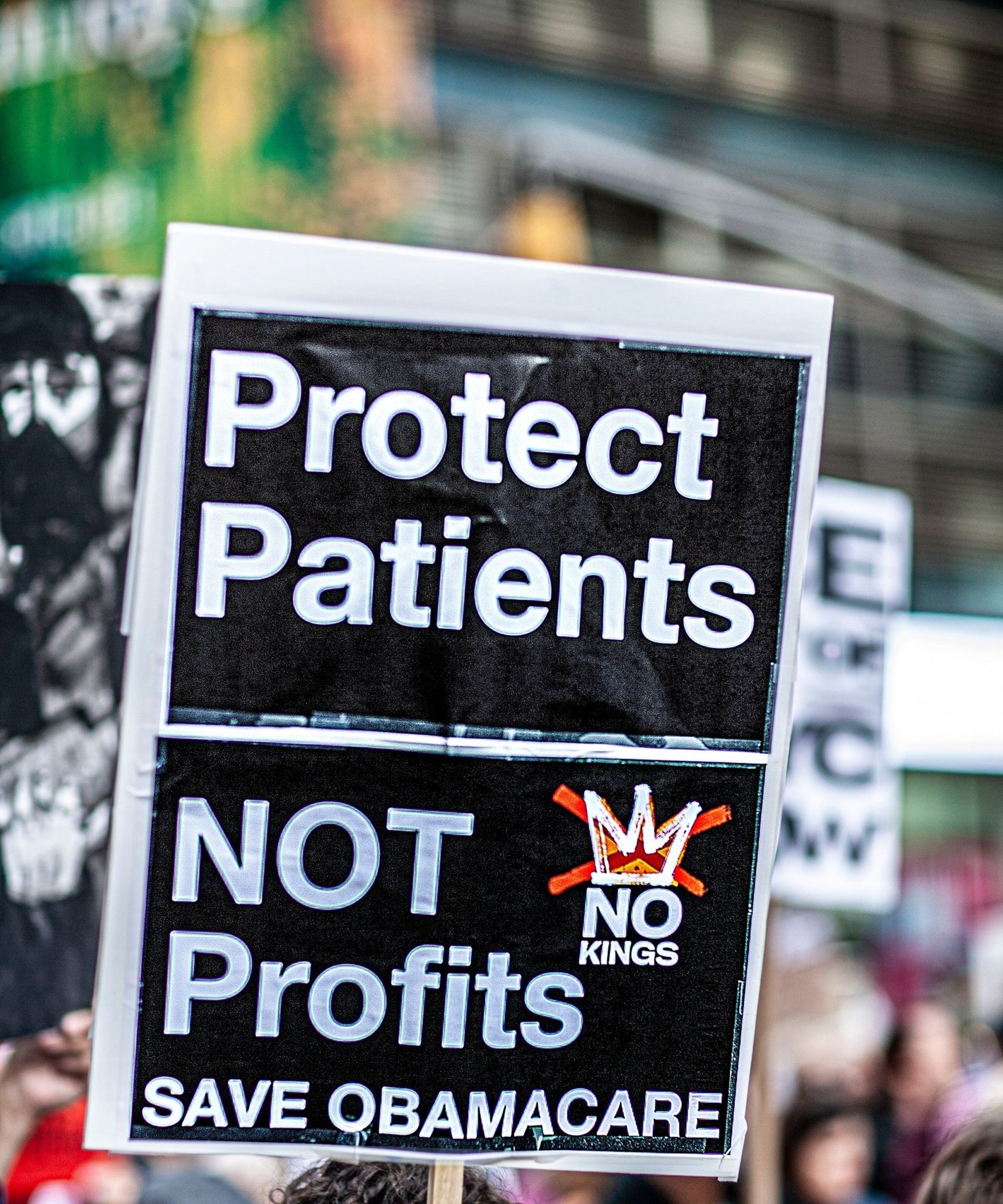
Imagem: Internet
Industry analysts note that without subsidies, monthly premiums for benchmark silver plans could rise by an average of 53 percent nationwide, according to data compiled by the Kaiser Family Foundation. Consumers who earn just above Medicaid eligibility limits are expected to feel the sharpest impact.
Personal Budgets Stretched to Breaking Point
Storey’s family has already adjusted by adding a part-time income: her husband recently took a job at a coffee chain to supplement their small business revenue. Boye, laid off from an import firm affected by tariffs, has taken part-time work while completing a business administration degree. The Butcharts rely solely on fixed Social Security income.
Policyholders say the looming increases threaten not only their finances but also their health. Storey requires regular monitoring for cancer recurrence, Boye depends on daily medication to manage diabetes, and Shadene Butchart’s ALS treatments are essential for maintaining quality of life. Each family expressed concern that discontinuing insurance could result in delayed care or skipped prescriptions.
Advocacy groups, including the Muscular Dystrophy Association, have arranged Capitol Hill visits to underscore the human cost of inaction. Doug Butchart traveled to Washington, D.C., this week to meet with Illinois senators Dick Durbin and Tammy Duckworth, hoping to illustrate how policy decisions translate into everyday hardships.
While negotiators work toward resolving the broader budget dispute, marketplace enrollees must submit plan selections by mid-December in most states. For many, the decision hinges on whether Congress acts before the enrollment window closes. Without clarity on subsidies, some are weighing drastic choices—from selling assets to leaving the country—to secure affordable health care.
Crédito da imagem: UCG/Universal Images Group via Getty Images