
Excessive focus on victories, rankings and future scholarships is increasingly linked to burnout among young athletes, according to recent academic findings and observations from coaches and psychologists. Studies indicate that children who specialize in a single sport at an early age are more likely to experience exhaustion, lose motivation and withdraw from activities they once enjoyed. Experts say the trend is fueled by well-intentioned adults who elevate competitive outcomes above enjoyment, connection and personal growth.
Early Specialization Correlates with Higher Burnout
Research published in the Orthopaedic Journal of Sports Medicine compared adolescents who concentrated on one sport with peers who sampled multiple disciplines. The 2020 meta-analysis, led by Nicole E. Giusti, found significantly higher rates of physical and emotional fatigue, sport devaluation and reduced sense of accomplishment among the early-specializing group. A separate 2017 review in Current Opinion in Psychology linked athlete burnout to social context, including coaching practices and the broader motivational climate.
These findings challenge a widespread assumption that year-round training in a single sport is the fastest route to elite performance. While some athletes do reach advanced levels through intensive routines, the data suggest that many more leave athletics altogether because the demands overshadow the benefits.
How Adult Expectations Shape Young Identities
Parents and coaches often highlight sport as a platform for teaching discipline, resilience and teamwork. However, repeated emphasis on winning can narrow a child’s sense of self, observers note. When mistakes are framed as threats to personal worth and rest is labeled as weakness, young competitors may interpret every outcome as a direct reflection of their identity. Over time, this environment can generate perfectionism, anxiety and aversion to risk-taking—traits that undermine both performance and long-term participation.
Children quickly detect what adults praise or criticize, according to psychologists who study motivation. If the first post-game question is “Did you win?” rather than “Did you have fun?”, players learn to equate value with results. In response, some athletes train through pain, conceal injuries, dread practice or quietly disengage from teammates. Experts interpret these behaviors not as signs of fragility but as indicators that the surrounding system demands more than it returns.
Warning Signs of an Imbalanced Environment
Professionals who work with youth athletes identify several red flags that can emerge when pressure overrides enjoyment:
- Consistent overtraining with limited recovery
- Hidden or downplayed physical pain
- Emotional volatility or irritability before practices and games
- Withdrawal from friends, family or previously valued activities
- Loss of enthusiasm that once fueled participation
These patterns often develop gradually, making it vital for adults to monitor attitudes as closely as statistics. According to the Centers for Disease Control and Prevention, balanced physical activity should promote both mental and physical well-being; when either dimension suffers, adjustments are recommended.
Maintaining Competition Without Sacrificing Well-Being
Advocates stress that protecting mental health does not require eliminating competition or lowering standards. Instead, they encourage recalibrating priorities to ensure that joy, friendship and personal development remain central. Suggested strategies include:
Broadening success metrics: Recognize effort, improvement, teamwork and resilience alongside final scores. Discuss lessons learned from setbacks as openly as those from victories.
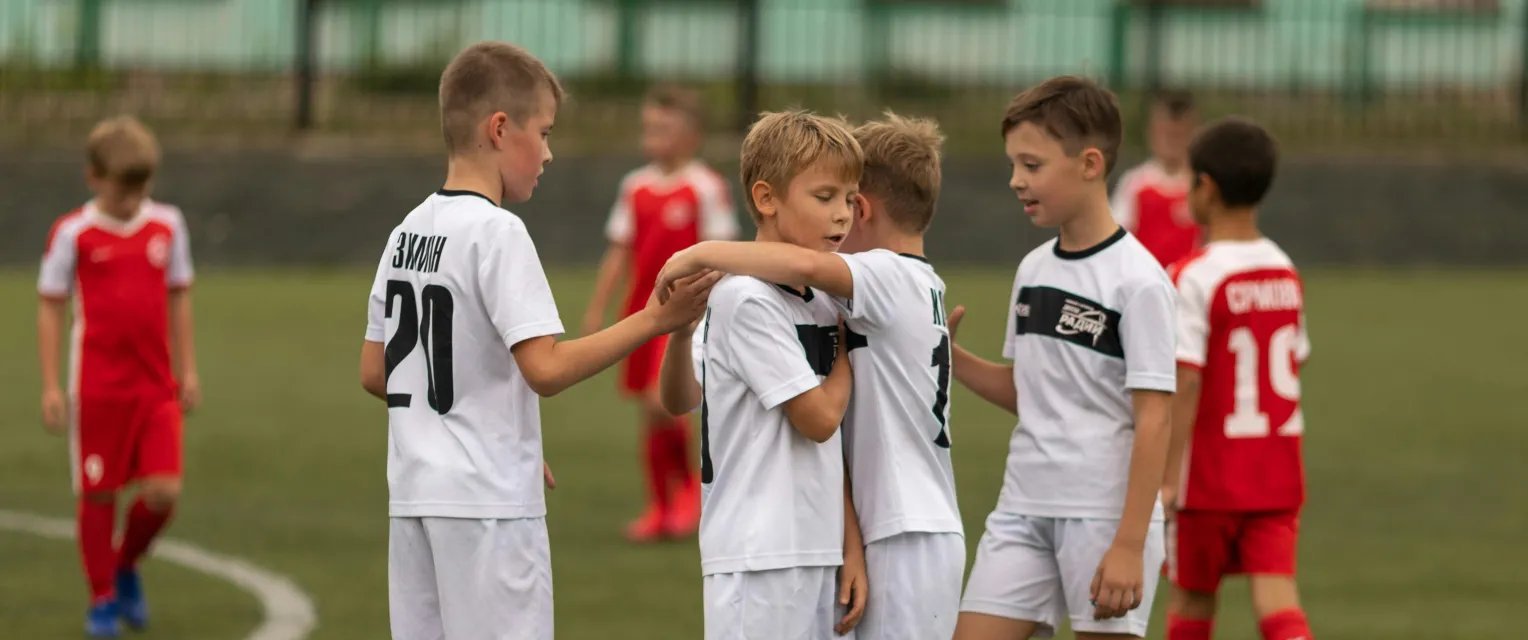
Imagem: Internet
Promoting diverse experiences: Allowing children to participate in multiple sports or activities can prevent overuse injuries, foster varied skill sets and keep motivation fresh.
Encouraging rest and recovery: Scheduled breaks, adequate sleep and attention to minor injuries help sustain performance and enthusiasm.
Modeling balanced behavior: When adults celebrate enjoyment, learning and camaraderie, athletes receive permission to value those elements as well.
Questioning the System, Not the Child
When a young athlete shows signs of burnout, specialists advise shifting the conversation from personal shortcomings to environmental factors. Instead of asking, “What is wrong with this kid?” they recommend asking, “What messages does this setting send about worth and belonging?” By examining coaching methods, team norms and parental expectations, stakeholders can identify and correct pressures that eclipse the original purpose of youth sports.
While only a small percentage of participants will compete at collegiate or professional levels, nearly all can gain confidence, perseverance and social skills—if conditions allow. Advocates argue that the ultimate goal is not to produce champions at any cost but to nurture healthy individuals who can apply lessons from athletics to wider life challenges.
A Call to Protect Joy and Connection
Experts conclude that children deserve programs where laughter, friendship and identity coexist with ambition. When athletes feel valued as whole people, they are more equipped to handle the inevitable highs and lows of competition. Conversely, environments that demand the sacrifice of joy or self-worth for trophies risk driving talented players away from the game altogether.
As schools, clubs and national organizations review policies, many are beginning to incorporate guidelines that limit weekly training hours, encourage multi-sport participation and educate adults on positive motivation techniques. These measures aim to ensure that the playing field remains a place where young athletes can strive for excellence without losing themselves in the process.