
Former Vice President Richard Bruce “Dick” Cheney, who spent nearly 40 years at the highest levels of American government and played a decisive role in shaping the nation’s post-9/11 security policy, died on the night of Nov. 3, 2025, at age 84. A statement released by his family said the death resulted from complications related to pneumonia as well as cardiac and vascular disease. Cheney’s wife of 61 years, Lynne, and their daughters Liz and Mary were at his side.
Cheney served two terms as the 46th vice president of the United States from 2001 to 2009 under President George W. Bush. During that period he became widely regarded as one of the most assertive occupants of the office, exerting significant influence over national security, intelligence and foreign policy decisions. His tenure encompassed the terrorist attacks of Sept. 11, 2001, the launch of the U.S.-led war in Afghanistan, and the 2003 invasion of Iraq.
The Wyoming native’s rise began decades earlier. In 1975, at age 34, he became the youngest person ever to serve as White House chief of staff when President Gerald Ford appointed him to the post. Two years later he returned to his home state, winning a seat in the U.S. House of Representatives in 1978. Cheney held the seat for six consecutive terms, advancing to Republican leadership and working closely with President Ronald Reagan on defense and budget issues.
After leaving the House in 1989, Cheney joined President George H. W. Bush’s Cabinet as secretary of defense. In that role he directed Operation Desert Storm, the U.S.-led coalition effort that expelled Iraqi forces from Kuwait in 1991. The campaign was completed in just over six weeks and elevated Cheney’s national profile. The Office of the Historian at the U.S. Department of State notes that he received the Presidential Medal of Freedom for his stewardship of the Pentagon during the conflict.
Between government assignments, Cheney moved to the private sector. In 1995 he was named chairman and chief executive officer of Halliburton, the Texas-based energy services company with operations around the globe. He remained in that position until July 2000, resigning shortly before accepting the Republican vice-presidential nomination.
Cheney’s influence reached its peak in the immediate aftermath of the Sept. 11 attacks. With President Bush traveling, the vice president directed initial response efforts from the Presidential Emergency Operations Center beneath the White House. In later remarks and in his memoir “In My Time,” he recalled advising the president to stay away from Washington until the full scope of the threat was clear and emphasized the need for a new strategy to confront non-state terrorist networks.
That posture translated into administration initiatives such as the creation of the Department of Homeland Security, the authorization of enhanced interrogation techniques, and the decision to remove Saddam Hussein from power in Iraq. Supporters credited Cheney with decisive leadership, while critics faulted him for expanding executive authority and endorsing controversial intelligence practices. John Hulsman, then a research fellow at the Heritage Foundation, told ABC’s “Nightline” in 2005 that Cheney’s reach within the Bush administration was “unparalleled” for a vice president.
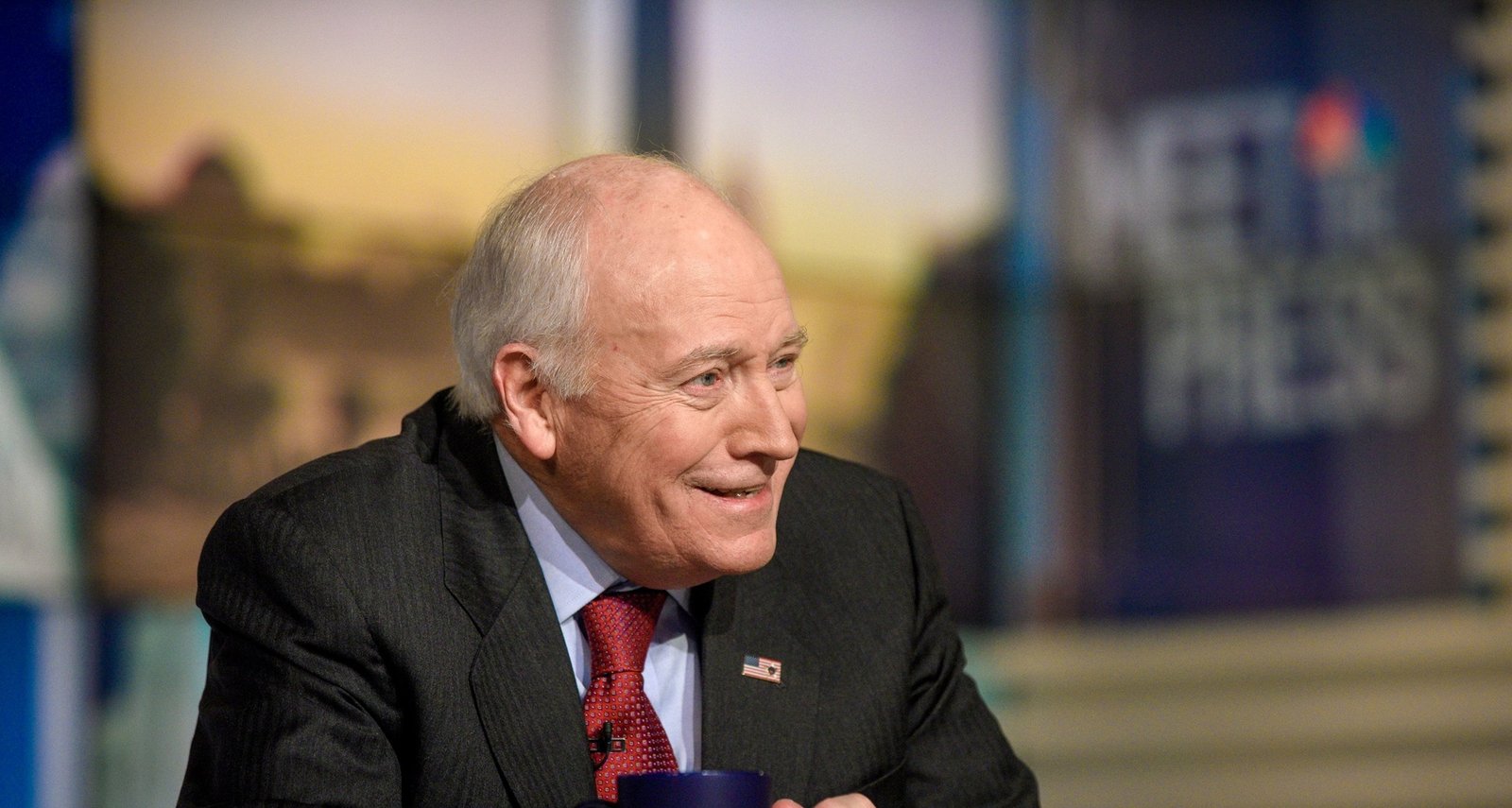
Imagem: Internet
Cheney experienced multiple health challenges throughout his life, including five heart attacks beginning in 1978. In 2012 he underwent a heart transplant. Despite those setbacks he maintained a demanding public schedule, appearing regularly on television programs, delivering speeches and advising Republican candidates. His daughter Liz Cheney later followed him into politics, serving as Wyoming’s lone member of the House of Representatives and rising to a senior leadership position in the chamber.
In addition to his wife and two daughters, Cheney is survived by seven grandchildren and extended family members. Funeral arrangements have not yet been announced. The family statement expressed gratitude for the “outpouring of prayers and support” they have received and asked for privacy as they mourn.
Colleagues from successive administrations, members of Congress and international leaders are expected to release tributes in the coming days, reflecting Cheney’s long and often polarizing imprint on U.S. policy. Further information on memorial services and official observances will be provided when they are finalized.
Crédito da imagem: NBC Newswire/NBCUniversal via AP