
Smartphones, laptops and wearables now place precise clocks, alarms and alerts directly in front of users throughout the day. New research suggests that this continual exposure is quietly reshaping how individuals schedule tasks, experience engagement and feel control over everyday activities.
Two Distinct Approaches to Scheduling
Studies led by marketing scholars Tamar Avnet and Anne-Laure Sellier (2011, 2014) describe two broad time-orientation styles. “Clock-timers” rely on external markers—wristwatches, phone displays, meeting reminders and countdowns—to decide when to start, pause or stop what they are doing. “Event-timers,” in contrast, follow an internal sense of completion, allowing a project, conversation or meal to end when it feels naturally finished.
The difference appears subtle yet carries meaningful behavioral consequences. Event-timers tend to immerse themselves more fully in the present task because they are not continually checking when the next transition is due. Clock-timers divide attention between the work at hand and the mental calculation of how much time remains or which obligation is approaching. According to the researchers, neither orientation is inherently superior; people lean toward one style due to personality, cultural norms or workplace expectations.
Historical Shift in Time Awareness
A century ago, few citizens possessed a personal timepiece; public clocks, church bells or the sun’s position served as rough guides. Daily life was anchored in the completion of events—a harvest row, a church service, a family dinner—rather than in the minute-by-minute precision made possible by today’s devices. As digital screens multiplied, exact timestamps and automated notifications began to govern everyday routines. With every unlocked phone or opened browser tab, the current time sits prominently in the corner, continuously priming users to adopt a clock-timer mindset.
Laboratory Findings Extend to Real Life
In controlled experiments, Avnet and Sellier found that surrounding participants with visible clocks and frequent reminders temporarily pushed even natural event-timers toward clock-oriented behavior. The effect was once limited to the lab environment, but modern technology effectively keeps that laboratory switch “on” around the clock. Routine checks for messages, social feeds or emails unintentionally expose users to time cues, reinforcing external scheduling.
Implications for Attention and Agency
For people already comfortable as clock-timers, this constant feedback can feel efficient, orderly and even reassuring. For natural event-timers, however, uninterrupted streams of alarms and banners may generate subtle tension. Avnet’s separate work on “regulatory fit” indicates that when operational demands align with innate preferences, individuals experience ease and confidence; misalignment often produces unease and diminished well-being, even if the source is difficult to pinpoint.
The sense of agency also differs. When a clock dictates transitions, control resides outside the individual. Event-timers, by contrast, determine endings based on internal cues, reinforcing personal authorship of the day’s flow. Excessive external prompts can therefore erode that feeling of self-direction.
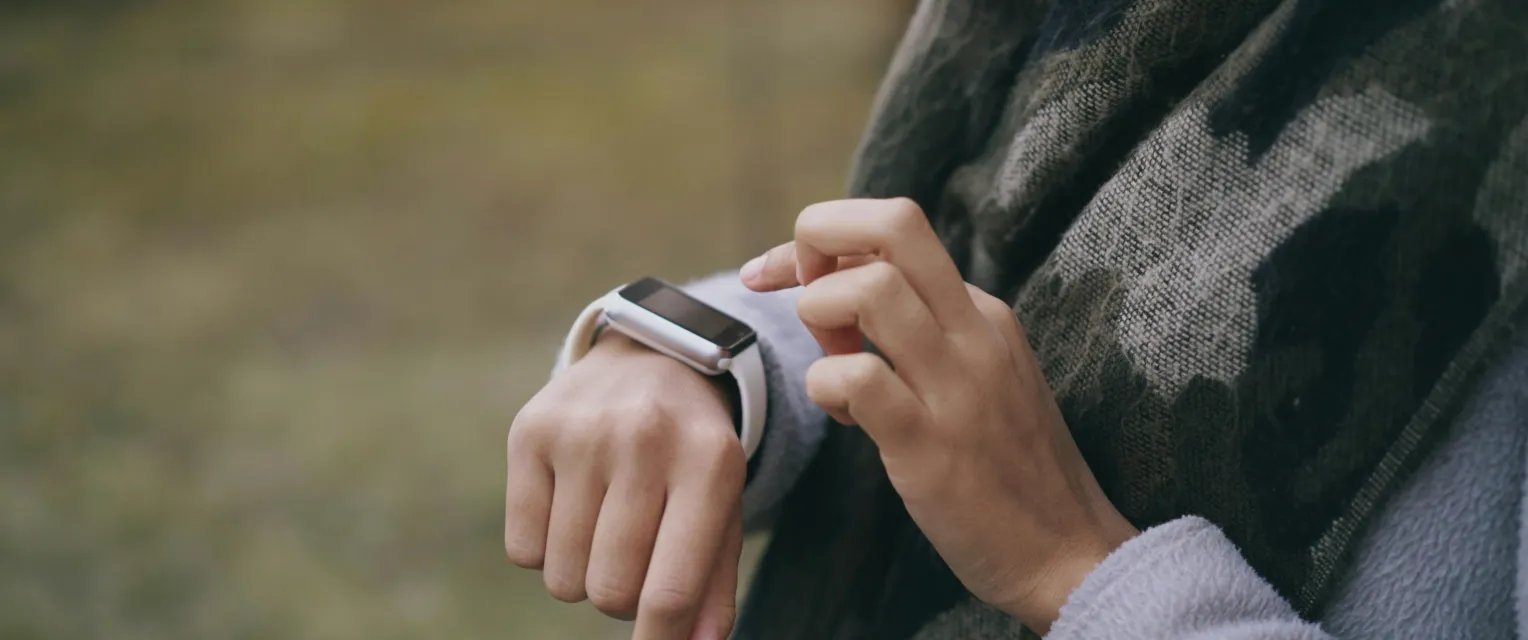
Imagem: Internet
Balancing External Precision and Internal Rhythm
Researchers emphasize that structured timekeeping is essential for catching trains, meeting colleagues or coordinating globally distributed teams. The challenge is to carve out pockets where internal rhythms lead. Strategies include working on creative tasks without a visible clock, silencing non-critical notifications or allowing leisure activities to conclude when they feel complete rather than when a preset timer expires.
This call for balance does not label technology as harmful. Digital infrastructure enables unprecedented coordination, efficiency and communication. Yet its design choices have side effects. The omnipresent status bar flashing “2:17 p.m.” primes users toward clock-timing whether they intend it or not.
Wider Context of Time Measurement
Coordinated time standards, maintained by organizations such as the National Institute of Standards and Technology, support everything from global navigation to financial markets. The precision that underpins those systems has moved from specialized laboratories into every pocket, wrist and dashboard. Understanding how that shift influences individual psychology is the next frontier for researchers examining productivity and well-being.
Key Takeaways
• Digital devices continuously display the clock, nudging users toward externally regulated scheduling.
• Avnet and Sellier define two styles: clock-timers, who heed external cues, and event-timers, who rely on internal signals.
• Constant time reminders can fragment attention and lessen perceived control, particularly for event-timers.
• Simple adjustments—hiding on-screen clocks, turning off alerts or reserving unscheduled intervals—may help restore a personal sense of timing.
• Effective time management in the modern era involves blending necessary precision with spaces that honor natural rhythms.
Whether sending an email, cooking dinner or brainstorming a new proposal, the silent question remains: who owns the moment, the clock in your hand or the feeling that the task itself is complete? The answer increasingly depends on how individuals consciously manage the invisible influence of today’s ubiquitous digital timekeepers.